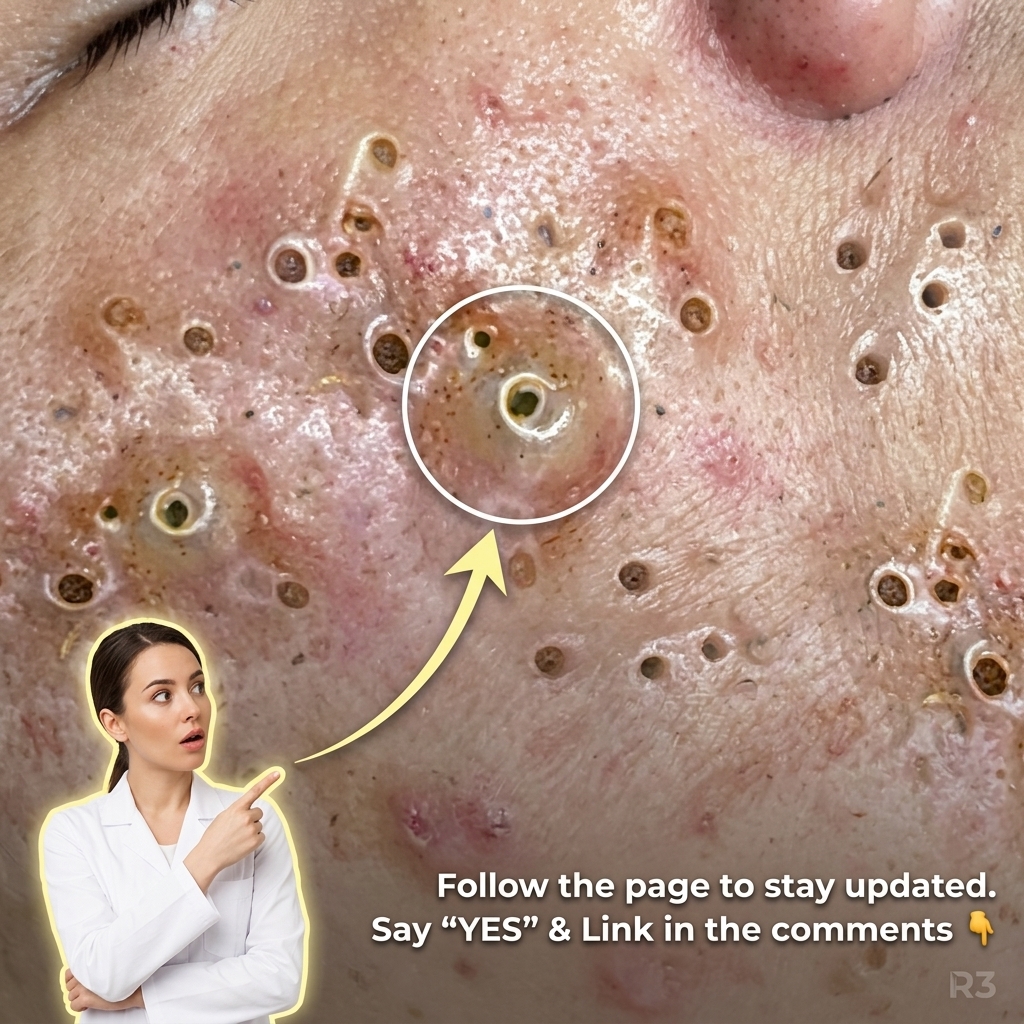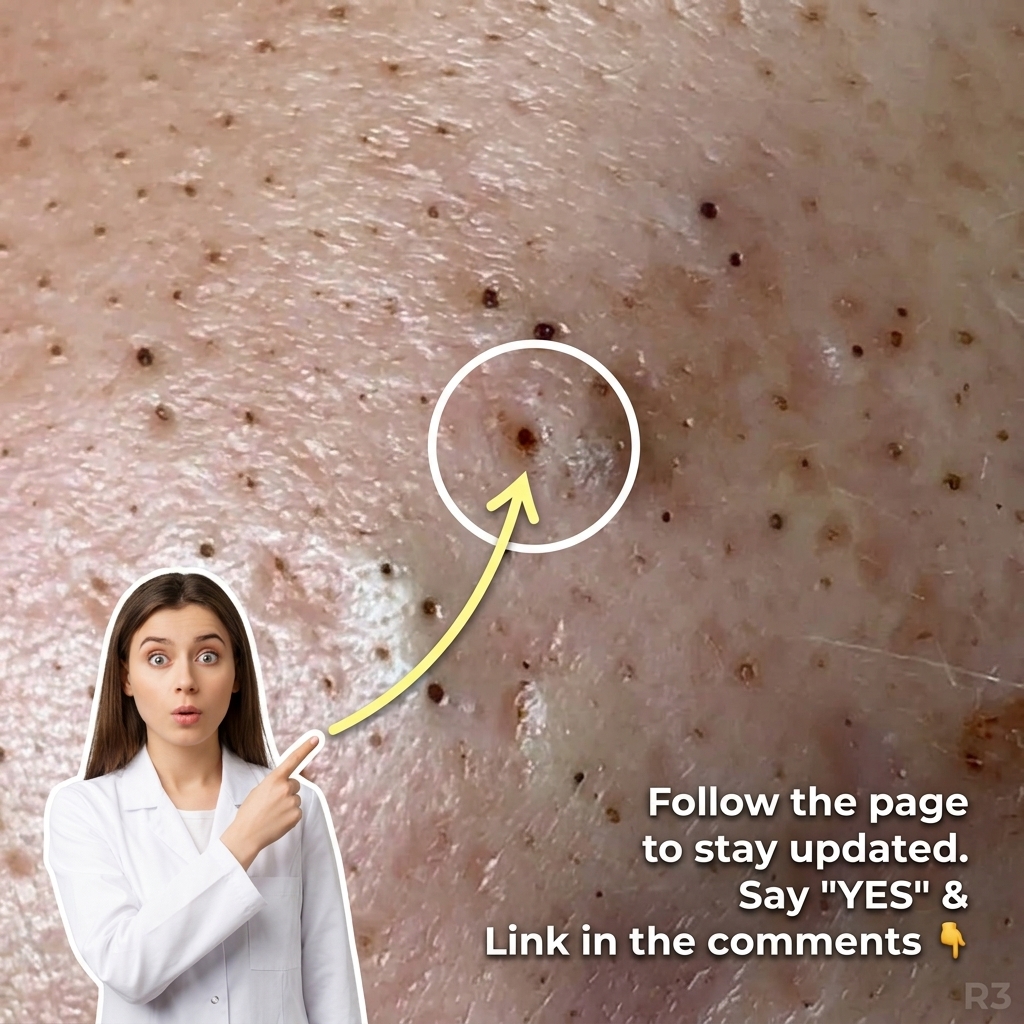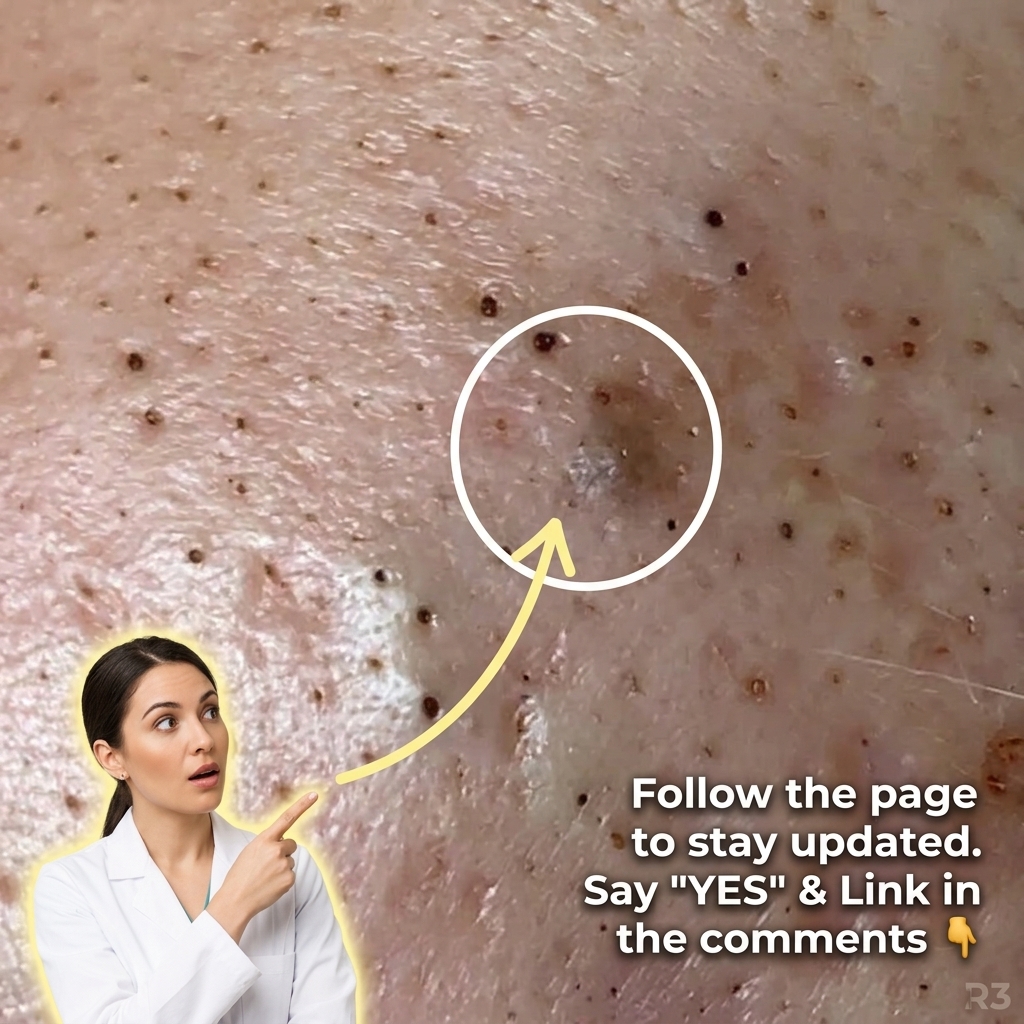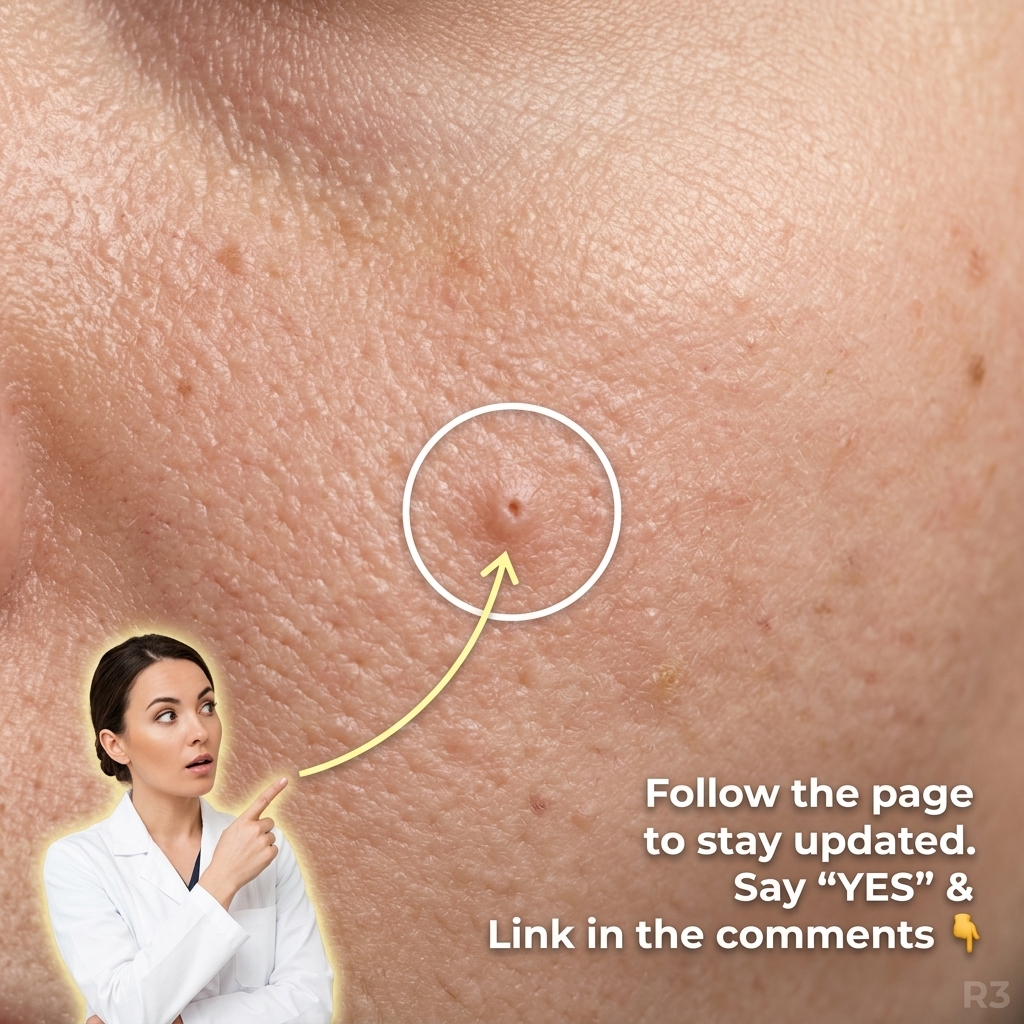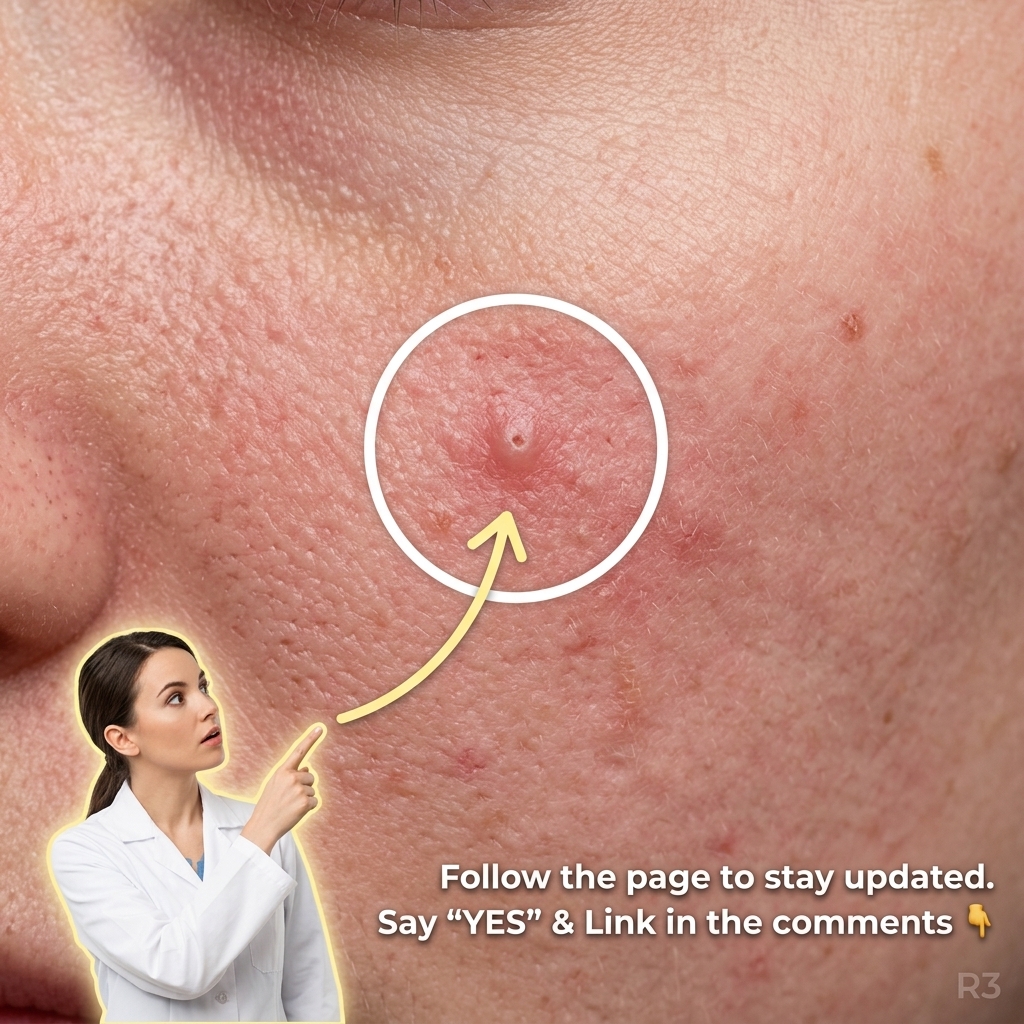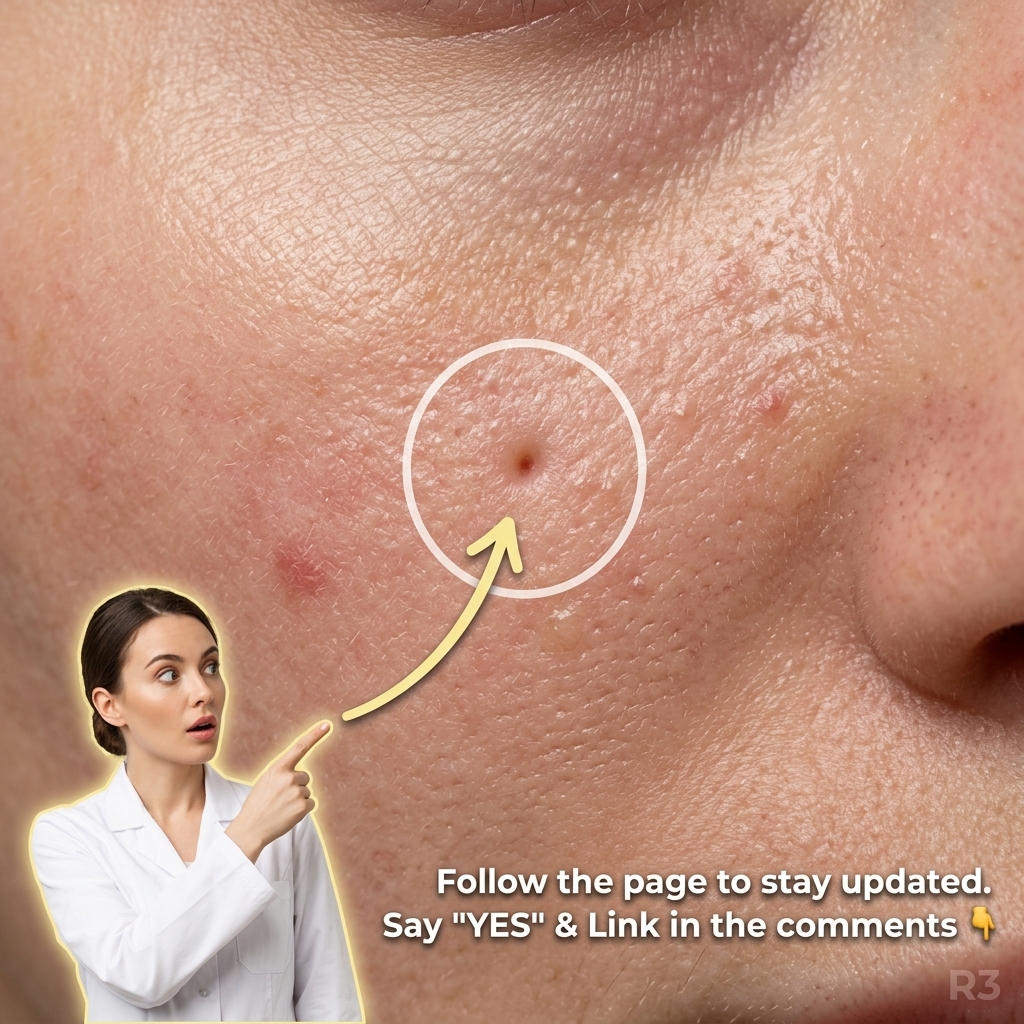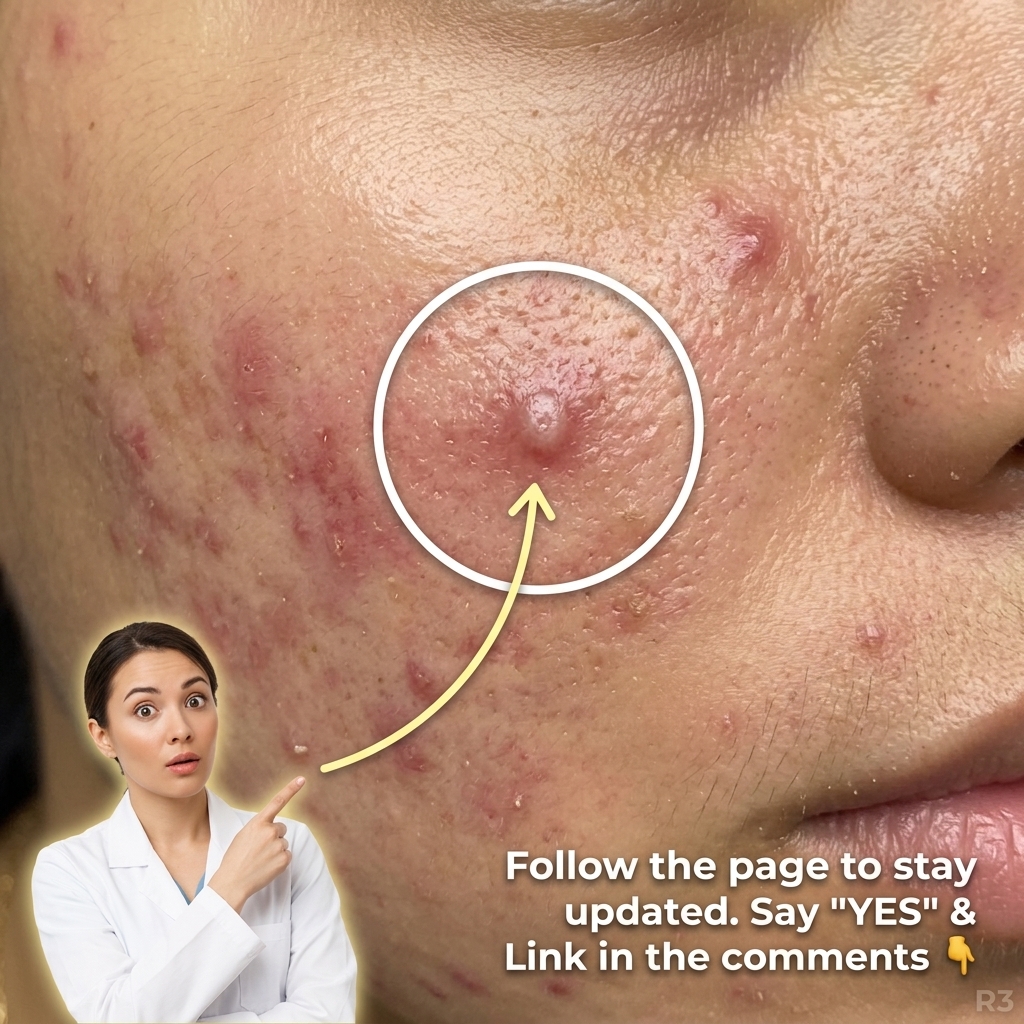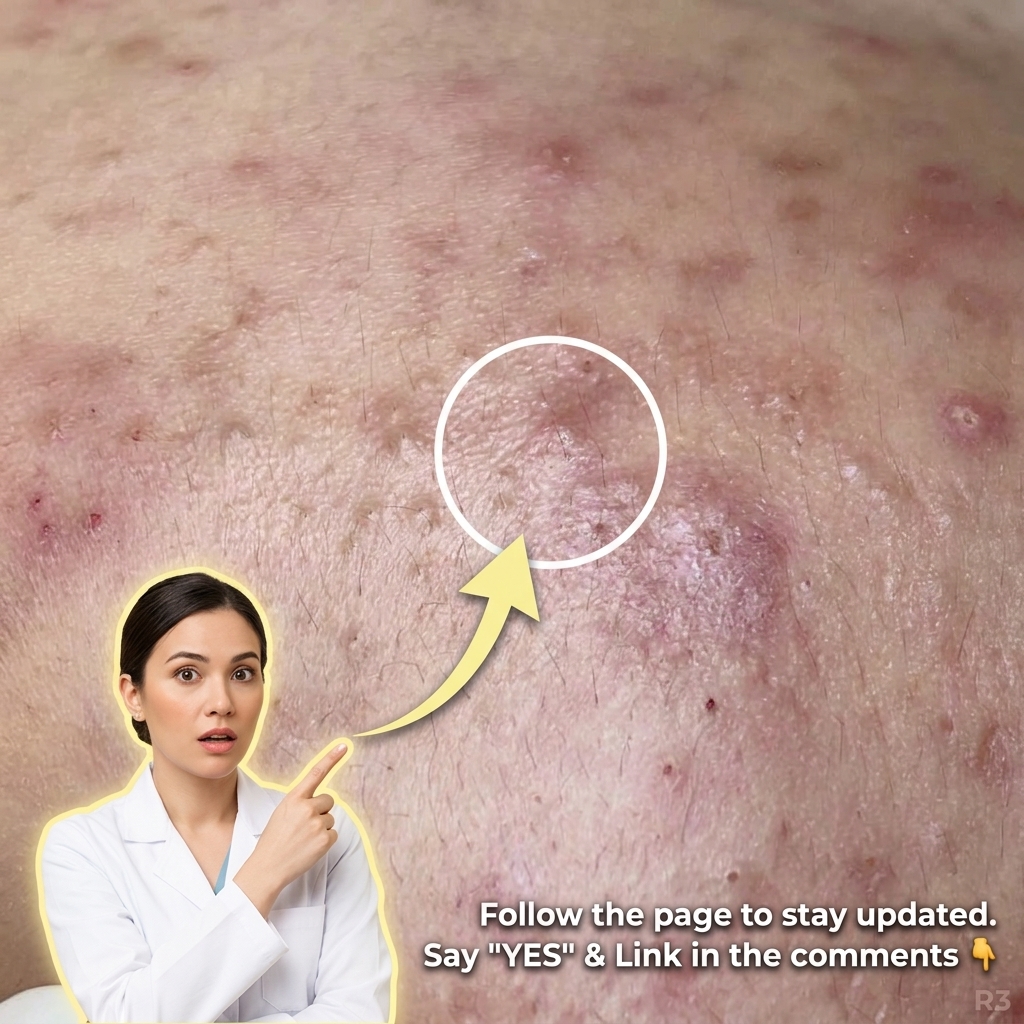
The human skin operates as an interconnected ecosystem where surface hygiene directly influences underlying physiological functions. When daily cleansing is inadequate or skipped entirely, environmental pollutants, sunscreen residues, sweat, and makeup accumulate on the stratum corneum alongside natural…
Author: Amazing LIFE
Understanding Forehead Breakouts: How Hair Care Products Interact with the Skin Barrier
The skin on the forehead exists in continuous proximity to the hairline, scalp, and hair shafts, making it uniquely vulnerable to external exposures. When hair products containing heavy oils, waxes, or silicones are applied, they can easily migrate…
Understanding the Impact of Occlusive Skincare Products on Pore Congestion and Long-Term Skin Dynamics
Occlusive products are widely utilized in skincare formulations to form a physical barrier over the stratum corneum, effectively preventing trans-epidermal water loss and preserving hydration. While this barrier-supporting mechanism is beneficial for dry or compromised skin, its long-term…
Understanding Acne Mechanica: How Heat, Friction, and Topical Ingredients Interact
Acne mechanica develops when repeated physical friction, pressure, contact, or localized heat occludes the surface of the skin, leading to follicular blockages and inflammation. Unlike traditional inflammatory acne, which primarily stems from internal hormonal shifts, this distinct variation…
How Makeup Residue Traps Sebum and Contributes to Clogged Pores
Cosmetic products often contain complex mixtures of pigments, binding waxes, silicones, and oils engineered to adhere smoothly to the cutaneous surface for extended periods. When these long-wearing formulations are not thoroughly removed, they leave behind an invisible film…
Understanding How Climate Shifts Impact Long-Term Sebum Dynamics and Breakouts
Environmental variations such as changes in ambient temperature and relative humidity can significantly alter cutaneous physiology over prolonged periods. When individuals experience warmer climates or seasonal spikes in temperature, the body’s sebaceous glands often respond by increasing fluid…
Understanding Sweat and Skin Biology: Why Perspiration Alone Does Not Cause Acne
Sweat is frequently blamed for sudden breakouts, particularly after intense workouts or warm weather, but physiological evidence indicates that sweat itself does not directly trigger acne formation. Perspiration is primarily composed of water, electrolytes, and trace minerals secreted…
Understanding Why Sweat Alone Does Not Direct Acne Formation
Sweat is primarily composed of water, sodium, and trace minerals secreted by eccrine and apocrine glands to assist in thermoregulation. On its own, sweat lacks the lipid-dense properties necessary to directly cause comedogenesis or form blockages within hair…
Why Genetics Can Influence Acne Severity and Skin Biology
Acne is a complex skin condition influenced heavily by genetic factors that dictate how various cutaneous systems interact. At a microscopic level, inherited traits affect the size and activity of sebaceous glands, which produce the natural oils essential…
Managing Hormonal Breakouts: How Skincare Active Ingredients Interact With Cycle-Driven Skin Changes
Hormonal fluctuations throughout the menstrual cycle directly influence skin physiology, particularly during the luteal phase when progesterone levels rise. Elevated progesterone and relative increases in androgen activity can stimulate the sebaceous glands, leading to an overproduction of oily…