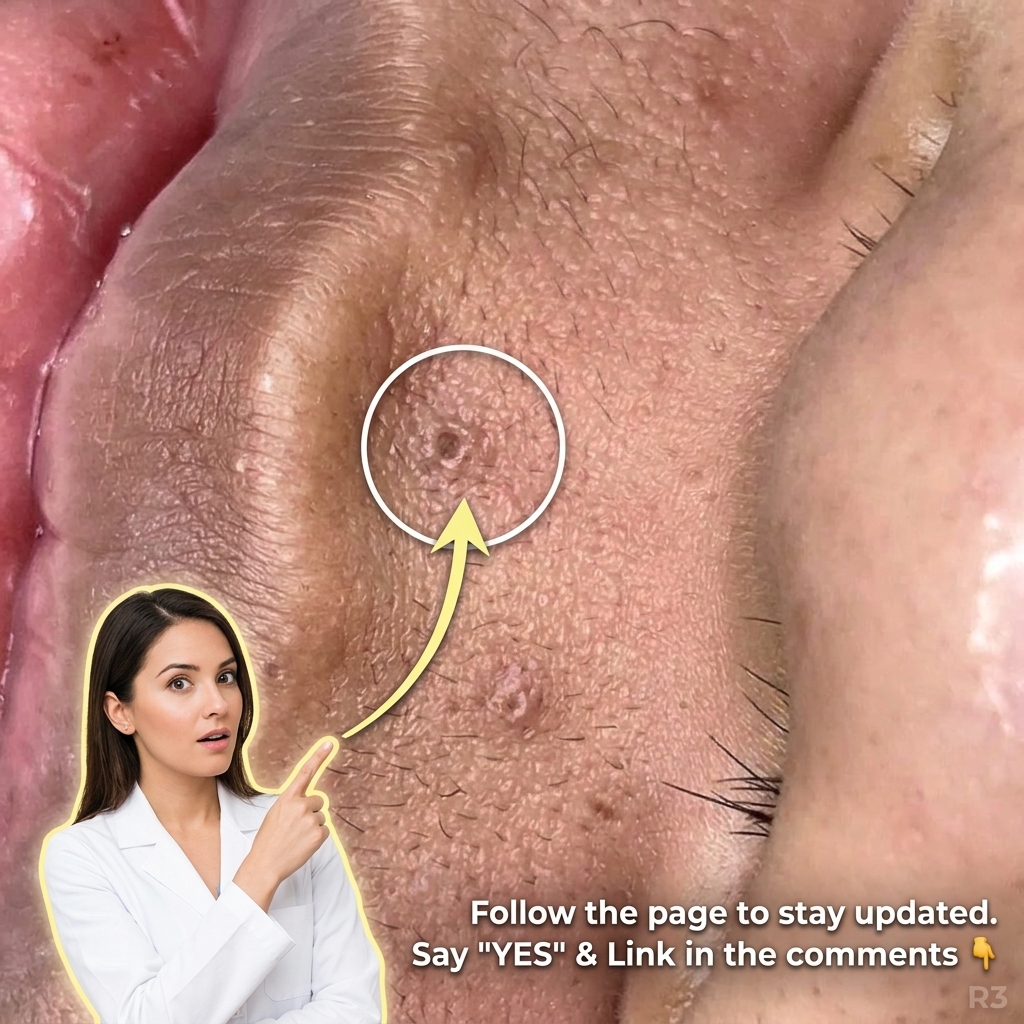
Acne vulgaris manifests in several distinct forms, primarily categorized into non-inflamed comedones and inflamed papules, pustules, or nodules. The process begins deep within the pilosebaceous unit, where cutaneous glands produce an oily substance known as sebum. Under typical conditions, dead surface cells shed evenly, but an irregular shedding process called hyperkeratosis can cause these corneocytes to clump together. When excess sebum combines with accumulated cellular debris, clogged pores form within the hair follicle. If the follicular orifice remains open to the skin surface, atmospheric oxygen oxidizes the trapped lipids and melanin, resulting in characteristic blackheads. Conversely, if the pore entrance remains completely covered by epidermal tissue, a closed comedone, widely recognized as a whitehead, develops instead. Both structures represent non-inflamed acne, characterized by a lack of pronounced swelling, redness, or warmth, maintaining a relatively quiescent state within the skin matrix.
The transition from a stable, non-inflamed plug to a visibly swollen lesion depends largely on microscopic environmental shifts within the follicle. As sebum accumulates behind a blockage, it creates an anaerobic environment that fosters the multiplication of Cutibacterium acnes, a resident bacterium of the skin microbiome. In response to bacterial proliferation and the accumulation of follicular lipids, the surrounding tissue releases inflammatory signaling proteins known as cytokines. If the pressure within the congested pore grows severe enough, the delicate follicular wall may experience microscopic micro-fissures or complete rupture. This structural breach spills keratic material, lipids, and bacterial products directly into the underlying dermal tissue, triggering a robust localized immune response. Consequently, white blood cells rush to the site, leading to the clinical presentation of inflammation, marked by noticeable erythema, local heat, discomfort, and visible swelling above the skin surface.
Observing long-term skin behavior reveals why certain individuals consistently experience non-inflamed comedones while others frequently develop swollen, deep-seated lesions. Genetic tendencies, hormonal fluctuations, and inherent sebum production rates heavily influence how the integumentary system responds to congestion. Individuals with persistently oily skin often produce higher volumes of sebum enriched with specific squalene fractions, which can easily undergo lipid peroxidation and accelerate pore blockages. Furthermore, variations in vascular reactivity and immune sensitivity dictate how aggressively localized tissue responds to a rupture within the follicle. Over extended periods, chronic low-grade congestion can gradually weaken the structural architecture surrounding neighboring pores, making those specific zones more susceptible to recurrent swelling. Understanding these ongoing physiological patterns helps explain why non-inflamed comedones can linger unchanged for months, whereas adjacent pores rapidly progress into inflamed papules under shifting biochemical conditions.
Managing both non-inflamed and swollen acne requires targeting the underlying biological pathways through consistent, evidence-based topical interventions. To address the mechanical build-up of keratinization, lipophilic ingredients such as salicylic acid are commonly utilized because they penetrate deeply into oily pores to dissolve cellular debris. Meanwhile, topical retinoids are frequently recommended in the context of long-term acne management due to their ability to normalize cellular turnover and prevent initial micro-comedone formation. For lesions that have already escalated into swollen inflammatory stages, antimicrobial agents like benzoyl peroxide or targeted anti-inflammatory ingredients can help reduce bacterial density and soothe surrounding redness. Consistently applying these targeted treatments helps regulate sebum production, clear obstructed passages, and reduce the frequency with which quiet non-inflamed lesions convert into painful, swollen blemishes over time.
Maintaining overall skin barrier health is crucial for preventing chronic pore congestion and minimizing severe inflammatory flares over time. Overly aggressive physical scrubs or improper manual extraction methods can easily compromise the delicate epidermal barrier, potentially causing mechanical rupture of clogged pores and driving bacteria deeper into the dermis. Dermatological literature suggests that supporting the skin barrier with gentle cleansers and non-comedogenic moisturizers helps preserve essential moisture while maintaining optimal enzymatic activity within the stratum corneum. Furthermore, sustaining a balanced skin microbiome helps prevent opportunistic bacterial overgrowth that often triggers redness and swelling. By prioritizing consistent, supportive skin care routines rather than harsh, reactive treatments, individuals can better manage long-term follicular stability, significantly reducing both non-inflamed congestion and the inflammatory cascades that lead to noticeable swelling.
Related acne topics
- How Sleeping With Makeup Affects Pores and Triggers Acne Breakouts
- How Harsh Physical Scrubs Aggravate Acne-Prone Skin at the Cellular Level
Health information notice: This article is for general informational and educational purposes only. It is not medical advice and does not replace consultation with a licensed dermatologist or healthcare provider.
This article was generated with AI assistance and has not been individually reviewed by a medical professional. View the accompanying YouTube video.