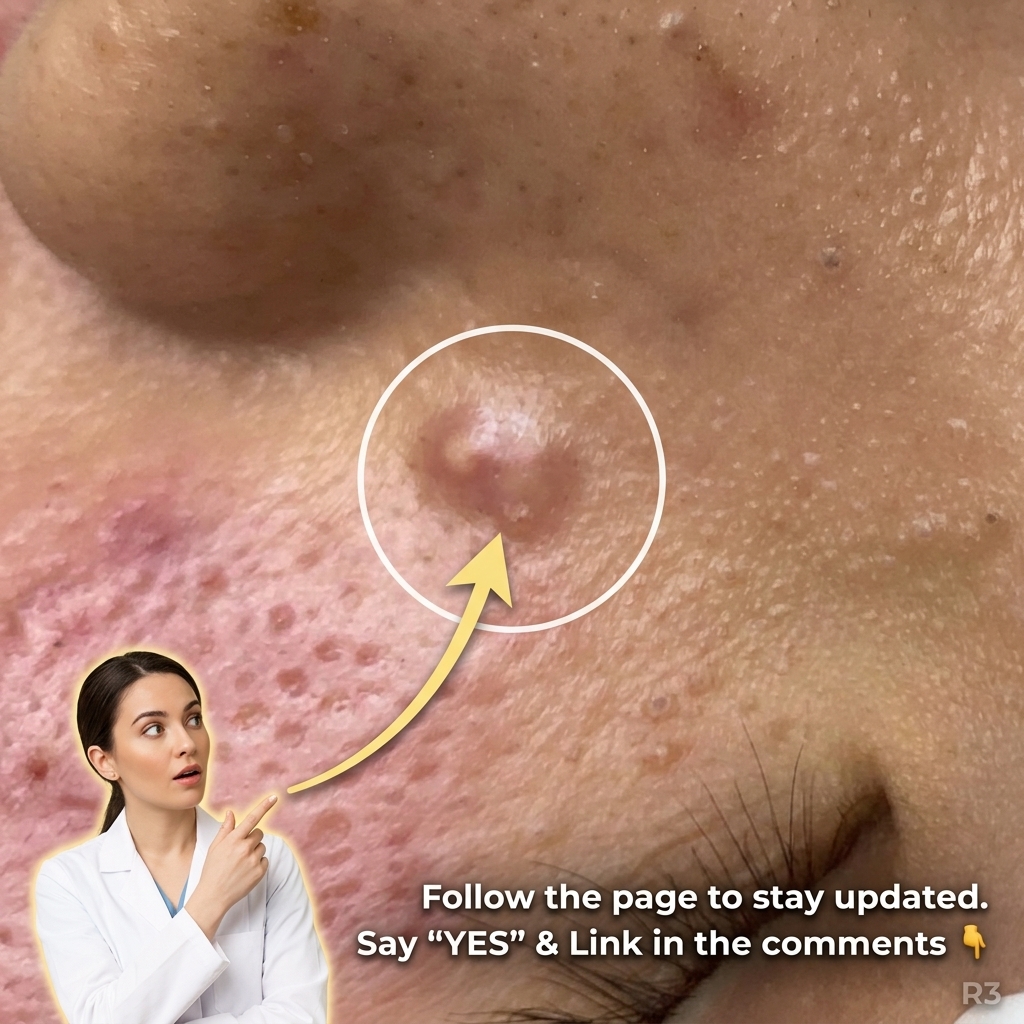
Sebum is a complex lipid mixture produced by the sebaceous glands to protect and hydrate the skin, but subtle shifts in its molecular composition play a foundational role in acne development. In acne-prone individuals, research suggests that sebum often exhibits lower concentration levels of linoleic acid alongside an increase in squalene and specific free fatty acids. When squalene undergoes oxidation, a process driven by exposure to environmental stressors and ultraviolet light, it forms squalene peroxide, an inflammatory lipid compound that promotes hyperkeratinization within the hair follicle. This abnormal shedding of dead skin cells causes them to cluster together inside the follicular funnel, creating sticky keratin plugs. When this altered sebum combines with hyperkeratotic debris, clogged pores form rapidly, setting the biological stage for inflammatory lesions and structural blockages in the skin.
The altered chemical environment within the follicle creates ideal conditions for microbial colonization and subsequent tissue irritation. As excess oxidized sebum accumulates, it lowers oxygen levels within the pore, encouraging the proliferation of Cutibacterium acnes, a dominant resident of the skin microbiome. The bacterial enzymes break down sebum triglycerides into irritating free fatty acids, which further trigger inflammatory pathways within the follicular wall. This localized immune response causes surrounding blood vessels to dilate and recruit inflammatory cells, transforming a silent microcomedone into visible acne papules, pustules, or deeper inflammatory nodules. Furthermore, the deficiency of critical essential fatty acids can compromise the structural integrity of the skin barrier, leaving the tissue surrounding congested pores heightened in sensitivity and prone to persistent redness.
On the surface of the skin, these underlying microscopic changes manifest as persistent oily skin, uneven texture, and distinct comedonal lesions. When clogged pores remain open to the surrounding air, the exposed melanin and oxidized lipids darken, forming characteristic blackheads across areas with high sebaceous gland density. Conversely, when the follicle opening remains tightly covered by surface epithelium, the trapped mixture of altered lipids and cellular debris produces small, flesh-colored bumps known as whiteheads. Excessive sebum production often leads to dilated, visible pores as the follicular walls stretch to accommodate accumulated fluid and keratin. Over time, the continuous accumulation of heavy, viscous sebum disrupts natural surface shedding, contributing to a dull appearance and an unstable surface environment prone to recurrent breakouts.
Managing these biological processes requires a strategic selection of topical ingredients designed to interact directly with lipid-heavy skin conditions. Because oil and water do not mix readily, lipophilic agents like salicylic acid are widely utilized due to their ability to dissolve into sebum and penetrate deep within the clogged pores to clear accumulated keratin. Concurrently, topical antioxidants like niacinamide and vitamin derivatives are frequently incorporated into skincare routines to limit squalene oxidation and support sebum regulation. When these ingredients interact harmoniously, they can help modify the physical consistency of cutaneous lipids, reduce surface shine, and calm underlying inflammatory responses. This targeted approach demonstrates how selecting complementary compounds can improve follicular clearance while supporting overall skin health without causing excessive dryness.
Long-term management of acne focuses on restoring equilibrium to both the skin barrier and the follicular lining. Over-cleansing or using overly aggressive stripping agents can trigger reactive hyperseborrhea, prompting the sebaceous glands to produce even more oil to compensate for lost surface moisture. Integrating multi-functional topicals, such as retinoids, is commonly discussed in dermatological literature as an effective strategy for normalising keratinization and preventing future comedones from forming. Additionally, incorporating non-comedogenic moisturizers rich in ceramide precursors helps reinforce barrier function while maintaining proper hydration levels. A thoughtful balance of active formulations ensures that ingredient interactions support the cutaneous microbiome and suppress inflammation, paving the way for clearer, healthier skin over time.
Related acne topics
- Understanding Forehead Breakouts: How Hair Care Products Interact with the Skin Barrier
- Understanding Hormonal Sebum Production and Synergistic Skincare Ingredient Interactions
Health information notice: This article is for general informational and educational purposes only. It is not medical advice and does not replace consultation with a licensed dermatologist or healthcare provider.
This article was generated with AI assistance and has not been individually reviewed by a medical professional. View the accompanying YouTube video.