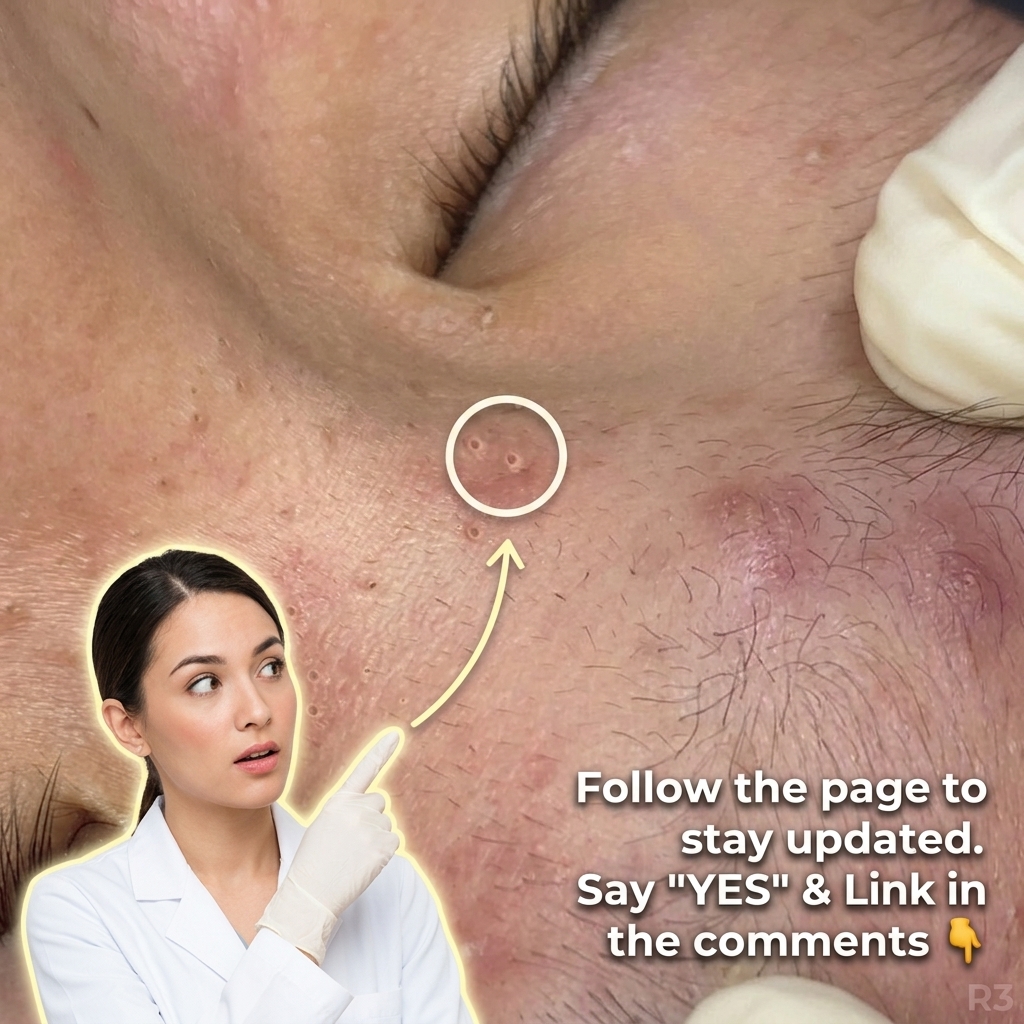
Acne mechanica develops when repeated physical friction, pressure, contact, or localized heat occludes the surface of the skin, leading to follicular blockages and inflammation. Unlike traditional inflammatory acne, which primarily stems from internal hormonal shifts, this distinct variation is triggered by external mechanical stress compounded by elevated surface temperatures. When tight clothing, athletic gear, or prolonged contact presses against the epidermis, it traps sweat, ambient heat, and cutaneous moisture. This altered micro-environment weakens the delicate skin barrier, facilitating the rapid buildup of dead skin cells and natural lipids within the pilosebaceous unit. As mechanical rubbing continuously disturbs the outer layer, it disrupts normal follicular shedding, creating clogged pores that rapidly evolve into inflamed lesions across areas subjected to frequent friction.
The biological cascade behind heat- and friction-induced breakouts involves significant alterations in sebum fluidity and cellular turnover. Under normal physiological conditions, sebum regulation maintains skin flexibility and hydration; however, increased localized skin temperatures alter lipid viscosity, making surface oils spread rapidly while simultaneously trapping debris in hair follicles. Concurrently, the physical rubbing accelerates hyperkeratinization—a process where dead skin cells fail to shed properly and instead adhere to one another inside the pore lumen. This sticky mixture of altered lipids and keratinized debris creates the structural foundation for both closed microcomedones, commonly recognized as whiteheads, and open oxidation sites known as blackheads. When combined with excessive perspiration, the likelihood of developing persistent oily skin and visible congestion increases dramatically, complicating the skin's natural balance.
When physical heat and friction intersect with topical skincare products, ingredient interaction dynamics can significantly influence whether the skin remains calm or develops inflammatory lesions. Under ambient conditions, certain cosmetic formulations or active topicals perform as intended; however, under the influence of physical pressure and occlusion, their behavior on the skin surface shifts. For example, heavy emollients or occlusive waxes that are typically tolerable can become prone to migrating deeper into distressed follicles, accelerating the formation of clogged pores. Conversely, potent active compounds like alpha-hydroxy acids or leave-on exfoliants may exhibit heightened skin penetration when applied beneath tight gear or rubbing fabrics. This enhanced delivery can trigger localized burning, redness, and compromise the protective skin barrier, ultimately worsening underlying acne.
The localized microclimate produced by friction and trapped thermal energy also exerts a profound impact on the cutaneous microbiome. The combination of elevated skin temperature, continuous humidity, and altered lipid composition creates an optimal breeding ground for opportunistic bacteria, including Cutibacterium acnes. As these microorganisms proliferate rapidly in oxygen-deprived, congested follicles, they digest free fatty acids and trigger an inflammatory immune response. This sequence converts quiet comedones into painful, red papules and pustules. To mitigate these micro-environment disruptions, dermatological literature often highlights the gentle application of targeted topicals. This is why ingredients like salicylic acid are frequently integrated into routines aimed at clearing follicular debris without causing excessive friction, helping to modulate both microbial overgrowth and follicular blockages effectively.
Long-term management of acne mechanica requires a balanced approach that mitigates physical irritation while optimizing daily topical choices to avoid adverse ingredient interaction. Minimizing direct friction through moisture-wicking fabrics and looser clothing provides immediate mechanical relief to vulnerable areas. From a formulation perspective, choosing lightweight, non-comedogenic hydrators helps reinforce the skin barrier without trapping excess thermal energy or sweat inside the pore matrix. Furthermore, incorporating well-studied ingredients, such as retinoids, can assist in long-term sebum regulation and normalized keratinization when applied correctly during non-occluded hours. By carefully coordinating topical skin care with physical protection strategies, individuals can support overall skin health, lower localized inflammation, and successfully minimize recurring thermal and friction-induced breakouts over time.
Related acne topics
- Understanding the Biological Link Between Androgens and Acne Flare-Ups
- How Makeup Residue Traps Sebum and Contributes to Clogged Pores
Health information notice: This article is for general informational and educational purposes only. It is not medical advice and does not replace consultation with a licensed dermatologist or healthcare provider.
This article was generated with AI assistance and has not been individually reviewed by a medical professional. View the accompanying YouTube video.
