Occlusive products are widely utilized in skincare formulations to form a physical barrier over the stratum corneum, effectively preventing trans-epidermal water loss and preserving hydration. While this barrier-supporting mechanism is beneficial for dry or compromised skin, its long-term interaction with the cutaneous ecosystem requires careful consideration. When heavy occlusive agents, such as rich waxes or dense oils, remain on the skin for extended durations, they can alter the microenvironment of the pilosebaceous unit. Under normal conditions, the skin continuously undergoes keratinization, a process where dead skin cells shed naturally from within the follicular canal. However, sustained external occlusion can slow this shedding process, trapping desquamated corneocytes alongside naturally produced sebum within the pore lining. This physical entrapment initiates the earliest stages of clogged pores, creating microcomedones that may gradually evolve into visible skin congestion over time.
The likelihood of developing pore congestion under occlusive layers is influenced heavily by underlying skin type and endogenous sebum production. Individuals with naturally oily skin tend to produce a higher volume of lipid-rich sebum, which requires an unobstructed pathway to reach the skin surface and coat the epidermal layer. When an impenetrable barrier is applied over active sebaceous glands, the accumulated sebum lacks a routine exit route, compounding internal pressure within the pore cavity. Furthermore, this trapped mixture of lipids and keratinized debris creates an oxygen-deprived environment beneath the occlusive layer. Such anaerobic conditions are particularly favorable for the proliferation of Cutibacterium acnes, a resident bacterium associated with localized inflammation. As bacterial populations expand within the sealed follicle, the surrounding tissue often reacts with mild to severe inflammatory responses, transforming mild blockages into pronounced acne papules or pustules.
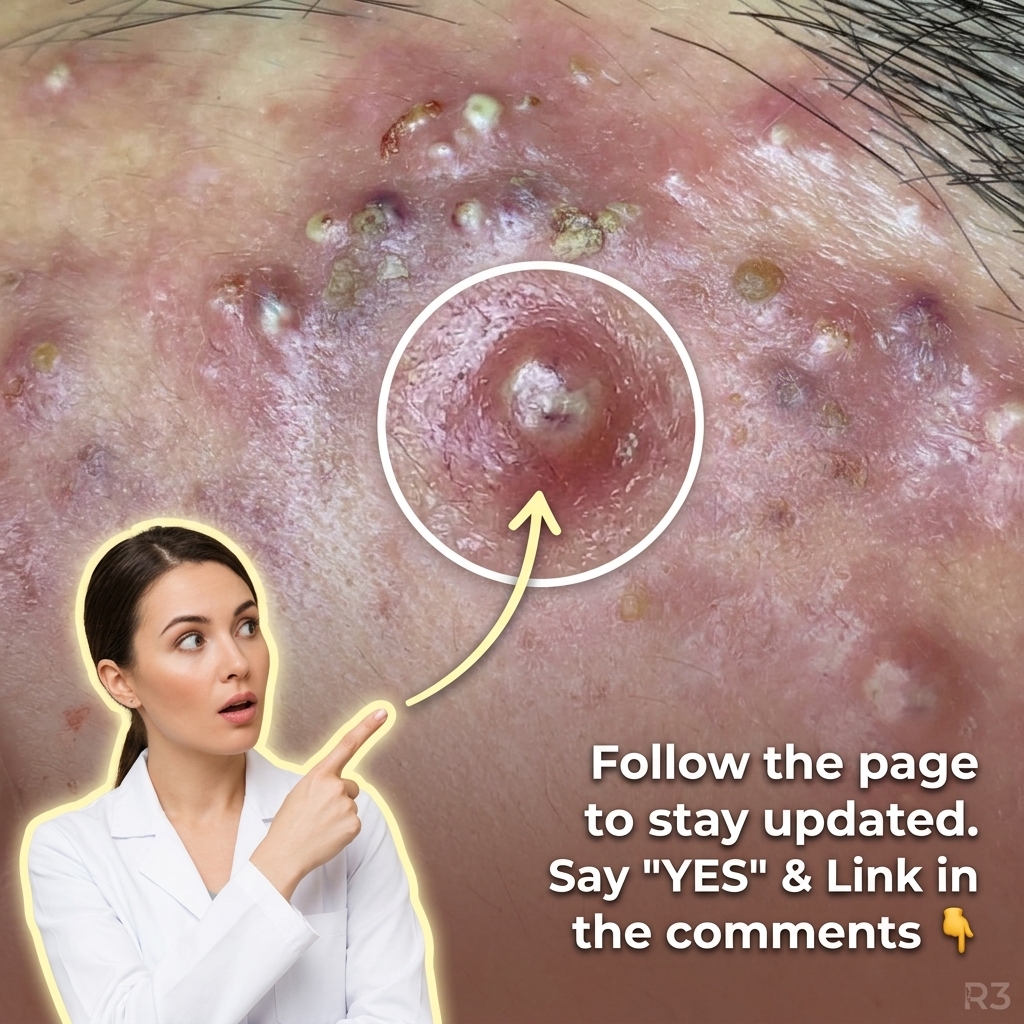
Over weeks or months of repeated exposure to heavy formulations, the visible effects of chronic occlusion become increasingly apparent on the skin surface. Initial non-inflammatory lesions often manifest as small whiteheads, which occur when the follicular opening remains entirely covered by epidermal cells and occlusive debris. Conversely, if the trapped plug is partially exposed to ambient oxygen, lipid oxidation turns the material dark, resulting in classic blackheads. When these lesions persist, the physical distension of the pore wall can alter long-term skin texture and mechanical elasticity around the follicle. Chronic follicular stretching may lead to enlarged-looking pores that struggle to recoil even after the blockage is cleared. Observing these continuous structural shifts underscores how immediate product choices can systematically shape long-term skin behavior, dictating whether the complex cutaneous environment maintains equilibrium or leans toward persistent acne development.
Addressing congestion induced by occlusive formulations requires a balanced strategy focused on optimizing cell turnover while preserving the essential skin barrier. Rather than avoiding moisture altogether, individuals prone to acne often benefit from transitioning to non-comedogenic humectants, such as glycerin or hyaluronic acid, which draw water into the epidermis without leaving a heavy film. Additionally, incorporating topical ingredients that support cell renewal can actively mitigate trapped cellular debris. Chemical exfoliants like salicylic acid, a lipophilic beta-hydroxy acid, are able to penetrate deep into oil-filled pores to dissolve cohesive corneocytes. Similarly, topical retinoids are frequently discussed in the context of long-term acne management for their capacity to normalize follicular desquamation and decrease the formation of new microcomedones, offering a functional method to clear clogged pores without causing unnecessary physical trauma to delicate tissue structures.
Navigating long-term care requires a nuanced understanding of how individual skin types respond to varying degrees of formulation richness and active ingredient exposure. While occlusives remain an effective tool for temporary barrier restoration—especially following environmental damage—their continuous daily application should be evaluated against the skin's natural tendencies toward sebum regulation and follicular retention. Maintaining a clear, resilient complexion involves monitoring subtle changes in texture, pore visibility, and inflammatory activity over extended periods. Rather than relying on aggressive mechanical extractions that risk scarring or hyperpigmentation, a consistent, evidence-based regimen yields more sustainable improvements in overall skin health. For persistent or severe acne concerns, consulting a board-certified dermatologist provides personalized diagnostic insight and tailored treatment plans that carefully balance barrier protection with targeted pore clearance.
Related acne topics
- Understanding the Biological Mechanisms of Pubertal Acne and Skin System Dynamics
- Understanding the Role of Cellular Shedding in Pore Congestion and Long-Term Skin Health
Health information notice: This article is for general informational and educational purposes only. It is not medical advice and does not replace consultation with a licensed dermatologist or healthcare provider.
This article was generated with AI assistance and has not been individually reviewed by a medical professional. View the accompanying YouTube video.