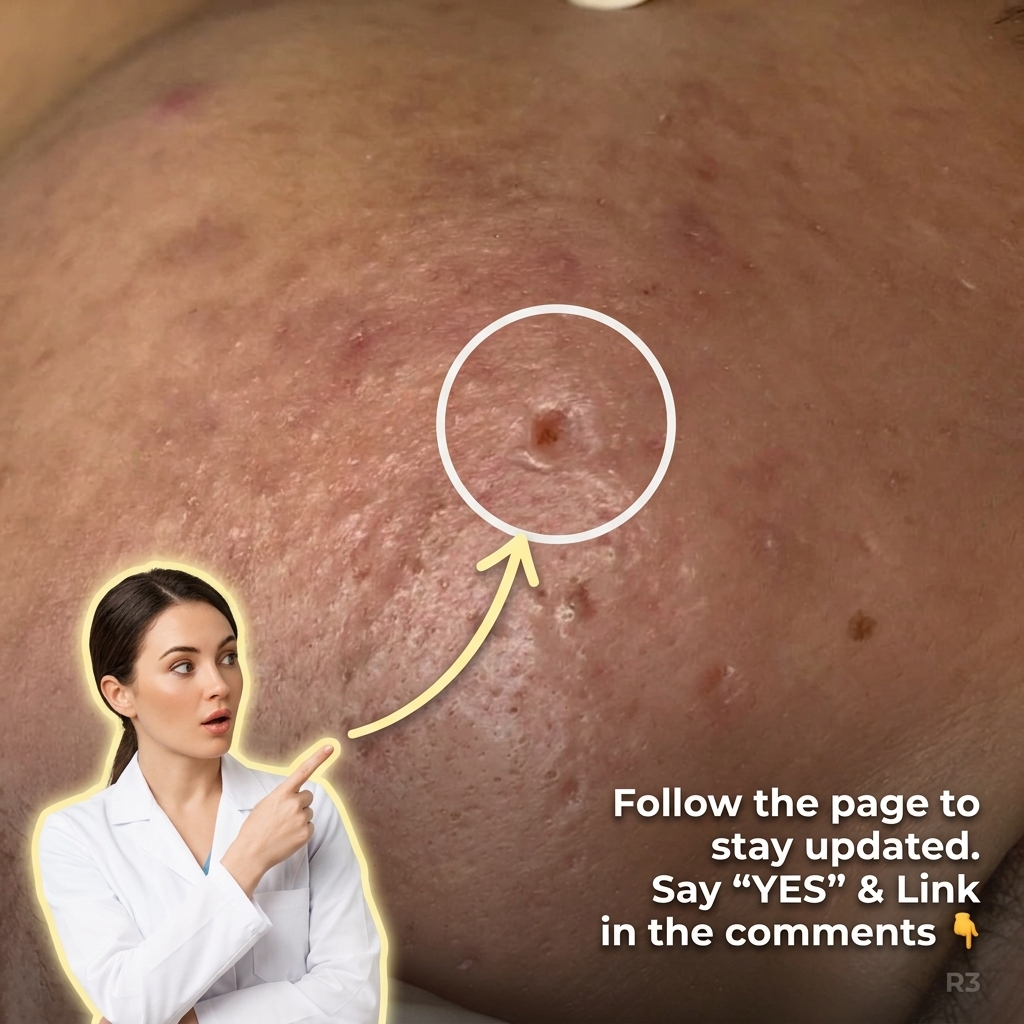
The human epidermis undergoes a continuous process of self-renewal, wherein old cells migrate to the outermost surface and shed naturally. Within individual hair follicles, this process of desquamation is critical for maintaining clear passageways for glandular secretions. When the natural shedding mechanism functions smoothly, microscopic corneocytes slide away effortlessly without disrupting normal physiological flow. However, altered cellular dynamics can cause dead cells to adhere to one another instead of detaching cleanly. This condition, known as retention hyperkeratosis, often manifests over extended timelines as skin cells accumulate along the follicular lining. Over time, this slow, persistent accumulation restricts the follicular opening, creating an environment susceptible to congestion. Understanding this fundamental biological mechanism highlights why consistent cellular turnover remains a foundational concept in dermatological science and preventive skin maintenance strategies.
Pore congestion rarely occurs due to dead skin cells alone; rather, it is significantly influenced by the interaction between shedding corneocytes and lipid production. The sebaceous glands continuously produce an oily substance intended to lubricate and protect the epidermal barrier. When individuals experience increased sebum production or altered lipid composition, the excess lipid material acts as an adhesive agent that binds desquamated cells into persistent aggregates. This mixture of lipids and keratinized debris gradually forms a dense plug inside the pore canal. For individuals with naturally oily skin, this process can occur repeatedly over months or years, establishing a predictable pattern of recurring impactions. Without intervention, these microscopic plugs gradually enlarge, physically expanding the pore canal and creating the structural framework for visible skin blemishes.
As cellular debris and lipid deposits continue to aggregate within the pore, they give rise to distinct clinical features commonly recognized as non-inflammatory comedones. When the follicular opening remains closed to the surface, the trapped mixture forms a subtle, raised papule known as a whitehead. Conversely, if the follicular orifice expands and exposes the accumulated keratinocytes and lipids to atmospheric oxygen, chemical oxidation occurs, darkening the plug into a classic blackhead. Over persistent intervals, these stagnant plugs can alter the internal environment of the hair follicle, creating hypoxic conditions favorable for the proliferation of the resident skin microbiome, specifically Cutibacterium acnes. This bacterial shift can trigger localized immune cascades, converting simple structural blockages into inflammatory acne lesions characterized by swelling, redness, and discomfort.
Managing the recurring build-up of dead skin cells requires targeted topical strategies that support natural desquamation and encourage proper sebum regulation. Beta-hydroxy acids, such as salicylic acid, are lipophilic compounds capable of penetrating lipid-rich environments to dissolve intercellular bonds within clogged pores. Similarly, topical retinoids are widely recognized in skincare research for their ability to normalize keratinization patterns, thereby reducing the tendency of epithelial cells to stick together inside the follicular channel over extended use. When integrated thoughtfully, these ingredients help prevent the initial formation of microcomedones. However, excessive application of potent active ingredients can disrupt the delicate skin barrier, potentially provoking reactive oiliness and secondary irritation that undermines long-term therapeutic goals.
Achieving lasting clarity requires recognizing that cellular shedding and lipid production are ongoing biological processes that evolve with age, environmental exposure, and hormonal fluctuations. Rather than focusing solely on temporary cosmetic fixes, effective regimens emphasize sustained, gentle intervention designed to modulate pore behavior over prolonged durations. Maintaining optimal epidermal hydration, supporting lipid barrier integrity, and applying appropriate exfoliating agents consistently can help mitigate chronic pore congestion without destabilizing the cutaneous ecosystem. Because individual skin responses vary significantly, tailored approaches developed in consultation with qualified healthcare professionals remain the safest path toward managing complex acne conditions. By respecting the natural lifespan and cellular mechanics of the skin, one can foster a healthier balance that minimizes persistent follicular impactions over time.
Related acne topics
- Understanding How Cutibacterium Acnes and Ingredient Interactions Drive Inflammatory Acne
- Understanding the Biological Distinctions Between Blackheads and Whiteheads
Health information notice: This article is for general informational and educational purposes only. It is not medical advice and does not replace consultation with a licensed dermatologist or healthcare provider.
This article was generated with AI assistance and has not been individually reviewed by a medical professional. View the accompanying YouTube video.