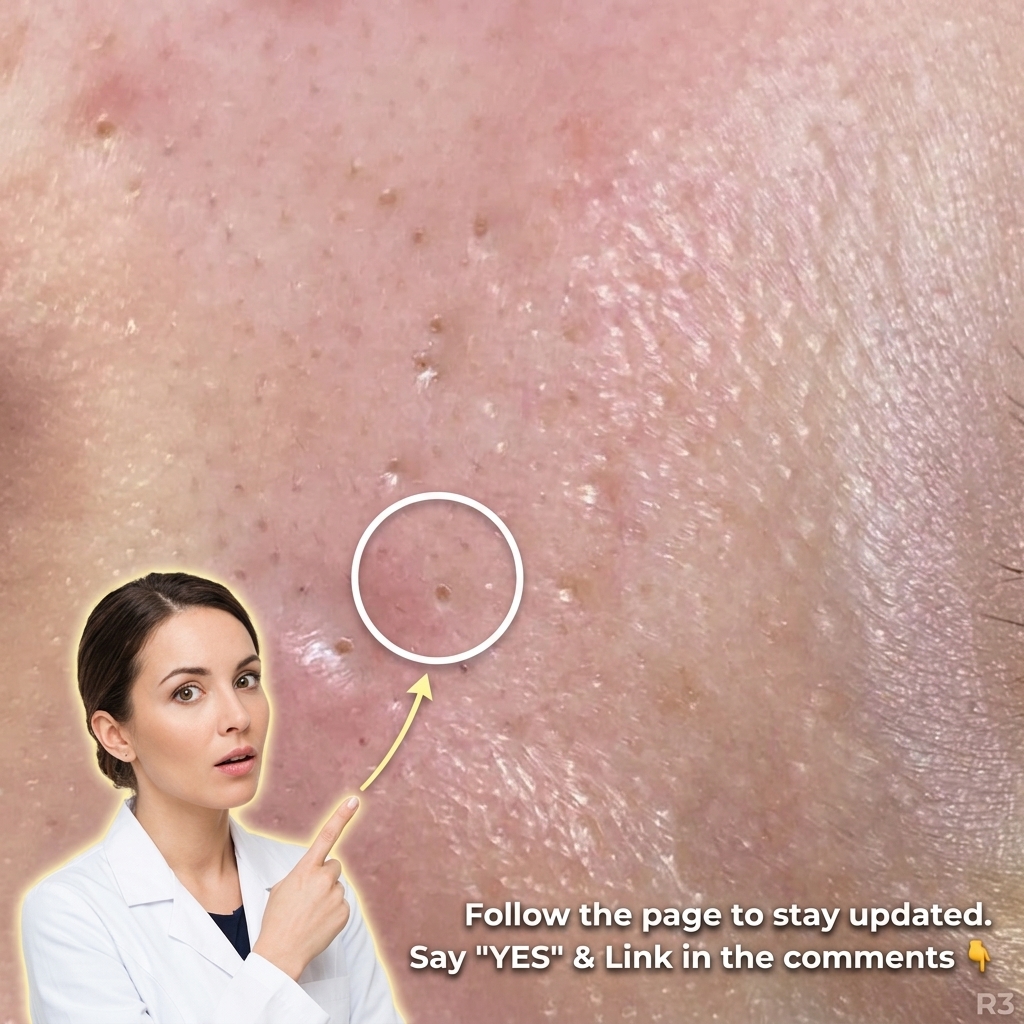
Inflammatory acne is a complex skin condition largely driven by the microenvironment within pilosebaceous units, commonly referred to as pores. Under normal physiological conditions, the skin microbiome maintains a diverse microscopic ecosystem that protects against external pathogens. However, when an overproduction of oily skin secretions, known as sebum, combines with abnormal keratinization, pores become occluded. This creates an anaerobic, lipid-rich environment ideally suited for the proliferation of Cutibacterium acnes, a resident bacterium. As these bacteria consume triglycerides present in sebum, they release free fatty acids and enzymatic byproducts that irritate the follicular lining. This process disrupts the delicate skin barrier, prompting the immune system to release inflammatory signals such as cytokines. Consequently, non-inflammatory comedones like blackheads and whiteheads can rapidly transform into painful, swollen papules or pustules as localized inflammation intensifies.
The transition from simple clogged pores to active inflammatory acne lesions often hinges on the interplay between cellular shedding and sebum regulation. During hyperkeratosis, sticky dead skin cells fail to shed properly and aggregate inside the pore alongside excess sebum. When this trapped mixture remains open to the air, oxidation causes it to darken, forming visible blackheads. Conversely, if the follicular opening remains covered by a layer of epidermis, a closed comedone, or whitehead, develops instead. Within these isolated structures, oxygen availability drops sharply, triggering Cutibacterium acnes to shift its metabolic behavior. The bacteria generate proinflammatory chemotactic factors that attract neutrophils and other immune cells to the site. This immune influx leads to tissue damage, redness, and swelling, demonstrating how initial physical blockages create the ideal catalyst for bacterial hyperproliferation and subsequent biological cascades.
Addressing bacterial involvement in acne frequently requires a strategic combination of topical ingredients that target different steps in the inflammatory sequence. For instance, benzoyl peroxide functions by releasing reactive oxygen species into the follicle, creating an aerobic environment that directly suppresses anaerobic bacteria without inducing bacterial resistance. When paired with lipophilic beta-hydroxy acids like salicylic acid, the efficacy of the overall regimen often improves. Salicylic acid penetrates deeply into lipid-rich pores to dissolve cellular debris and clear physical blockages, thereby enabling antimicrobial agents to penetrate more effectively. Furthermore, introducing topical retinoids into a skincare routine helps normalize cell turnover, which mitigates hyperkeratosis at the root level. Understanding how these distinct active compounds interact allows for a more comprehensive approach to reducing microbial stress while promoting clearer pores.
While combining active ingredients can enhance antibacterial and exfoliative results, managing the skin barrier is equally crucial for long-term acne management. Aggressive use of multiple targeted actives can inadvertently strip essential lipids, leading to barrier disruption, increased transepidermal water loss, and compensatory sebum production. When the protective barrier is compromised, the skin becomes significantly more vulnerable to external irritants and opportunistic microflora, which can exacerbate underlying inflammation. To counteract potential irritation, formulas or regimens often incorporate soothing, anti-inflammatory compounds such as niacinamide or ceramides. Niacinamide aids in sebum regulation and reduces systemic redness, while ceramides repair lipid architecture. Maintaining a careful equilibrium between antimicrobial ingredients and barrier-restoring agents ensures that the microbial population is controlled without triggering secondary skin sensitivity or inflammatory flare-ups.
Long-term management of bacterial acne requires an evidence-based approach that extends beyond immediate symptom suppression to support sustainable skin health. Because the facial microbiome is a dynamic ecosystem, over-sanitizing or relying excessively on single-action topical agents can lead to imbalances that complicate treatment outcomes over time. Dermatological literature emphasizes that effective care strategies focus on balancing keratinization, controlling excess oil production, and maintaining optimal hydration alongside targeted antibacterial actions. Integrating supportive practices, such as gentle daily cleansing and non-comedogenic sun protection, helps sustain the structural integrity of the cutaneous surface. By evaluating how topical active ingredients interact with both the skin biology and resident microbes, individuals can foster a healthier skin environment that reduces the likelihood of recurrent inflammatory breakouts.
Related acne topics
- Understanding the Role of Inflammation in Acne Severity and Clinical Pathways
- Understanding How Whiteheads Form Beneath the Skin Surface and the Role of Topical Ingredient Interactions
Health information notice: This article is for general informational and educational purposes only. It is not medical advice and does not replace consultation with a licensed dermatologist or healthcare provider.
This article was generated with AI assistance and has not been individually reviewed by a medical professional. View the accompanying YouTube video.