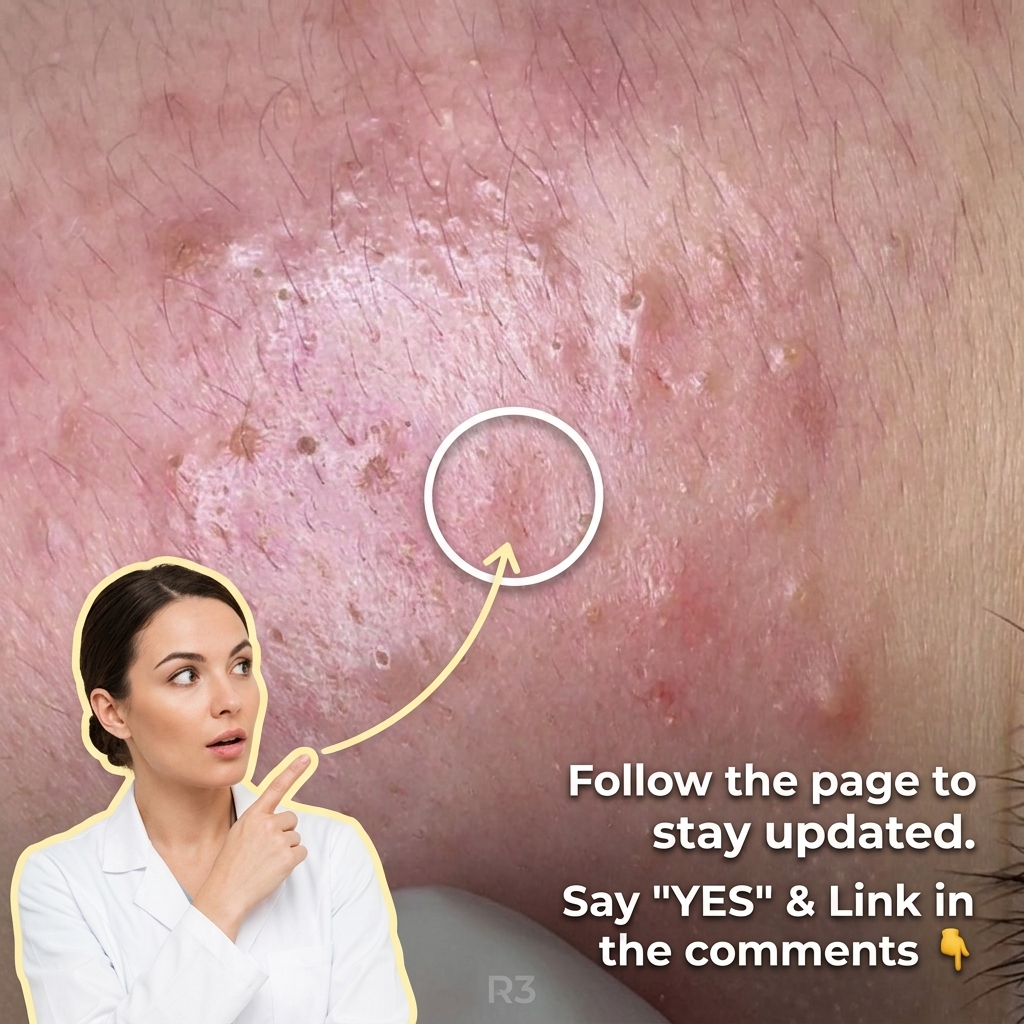
Acne vulgaris is fundamentally a multifactorial skin condition driven by follicular hyperkeratinization, elevated sebum production, and local microbial shifts. When cutaneous glands produce excess lipids, oily skin becomes more susceptible to blocked microcomedones. Normal shed keratinocytes mix with dense sebum within the hair follicle, resulting in micro-occlusions. Under these anaerobic conditions, the skin microbiome undergoes shifts, particularly involving the proliferation of Cutibacterium acnes strains. The surrounding innate immune system recognizes specific metabolic byproducts and cell wall components of these bacteria, which initiates an inflammatory cascade. Early inflammatory signals release pro-inflammatory cytokines, recruiting neutrophils and macrophages to the localized area. Rather than remaining a simple structural blockage, the affected hair follicle transforms into an actively inflamed environment, establishing the biological groundwork for more severe cutaneous manifestations.
The progression of acne from non-inflammatory lesions to painful, swollen blemishes depends largely on the severity of the local inflammatory response. Initial impactions typically present as non-inflammatory comedones, commonly recognized as open blackheads or closed whiteheads. However, when inflammatory signals intensify, the epithelial lining of clogged pores begins to weaken under enzymatic degradation and mechanical pressure. Cytokines and hydrolytic enzymes released by immune cells can degrade the follicular wall, leading to microscopic micro-ruptures. Once the wall breaks down, foreign material including sebum, keratin fragments, and bacterial components spills into the surrounding dermal tissue. This leakage triggers a far more intense secondary immune response, transforming mild comedones into raised papules, pus-filled pustules, or deeper painful nodules that demand careful clinical management.
Severe inflammation profoundly alters skin biology and structural integrity, extending structural damage beyond the immediate pore boundaries. As vascular permeability increases in response to inflammatory mediators, localized erythema, edema, and warmth become visibly apparent on the skin surface. Deep tissue involvement can compromise the delicate extracellular matrix, destroying collagen and elastin fibers in the surrounding dermis. Consequently, highly inflamed acne lesions carry a significantly higher probability of causing post-inflammatory hyperpigmentation and permanent structural scarring compared to non-inflamed lesions. Furthermore, persistent cutaneous inflammation compromises the skin barrier, rendering the epidermis more vulnerable to secondary irritation and transepidermal water loss. Recognizing the destructive nature of unchecked immune activity highlights why suppressing inflammatory cascades is a central priority within modern dermatological treatment frameworks.
Addressing inflammatory acne requires a structured treatment pathway aimed at dampening immune reactivity while correcting underlying follicular dysfunctions. Therapeutic strategies often combine agents that target distinct points in the acne pathway. For instance, topical anti-inflammatory and antimicrobial agents help reduce bacterial density and soothe localized tissue responses, while active compounds focused on sebum regulation help decrease the lipid substrate available for bacterial growth. Additionally, agents that normalize epidermal cell turnover help prevent new clogged pores from forming. This multi-target approach is why ingredients like topical retinoids are often discussed in the context of long-term acne management, as they address both aberrant keratinization and ongoing inflammatory activity. By systematically targeting each contributing factor, clinical protocols aim to reduce overall lesion counts and suppress tissue destruction.
Long-term management of severe inflammatory acne relies on maintaining cellular stability and safeguarding overall skin health through controlled care pathways. When professional procedures or clinical extractions are utilized, extreme care must be taken to minimize additional mechanical trauma, as improper manipulation can push inflammatory debris deeper into the dermis. Preserving the delicate skin barrier remains paramount; aggressive over-cleansing or harsh topical treatments can disrupt the acid mantle and alter the resident microbiome, ultimately exacerbating inflammatory flares. Understanding how barrier repair ceramides support healing can be essential when designing balanced skin regimens that tolerate active clinical treatments. A comprehensive approach focuses not only on clearing active inflammatory lesions but also on establishing sustainable skin maintenance that preserves tissue integrity and prevents future recalcitrant breakouts.
Related acne topics
- Understanding How Whiteheads Form Beneath the Skin Surface and the Role of Topical Ingredient Interactions
- Understanding Blackhead Formation: How Interacting Skin Systems Create Open Comedones
Health information notice: This article is for general informational and educational purposes only. It is not medical advice and does not replace consultation with a licensed dermatologist or healthcare provider.
This article was generated with AI assistance and has not been individually reviewed by a medical professional. View the accompanying YouTube video.