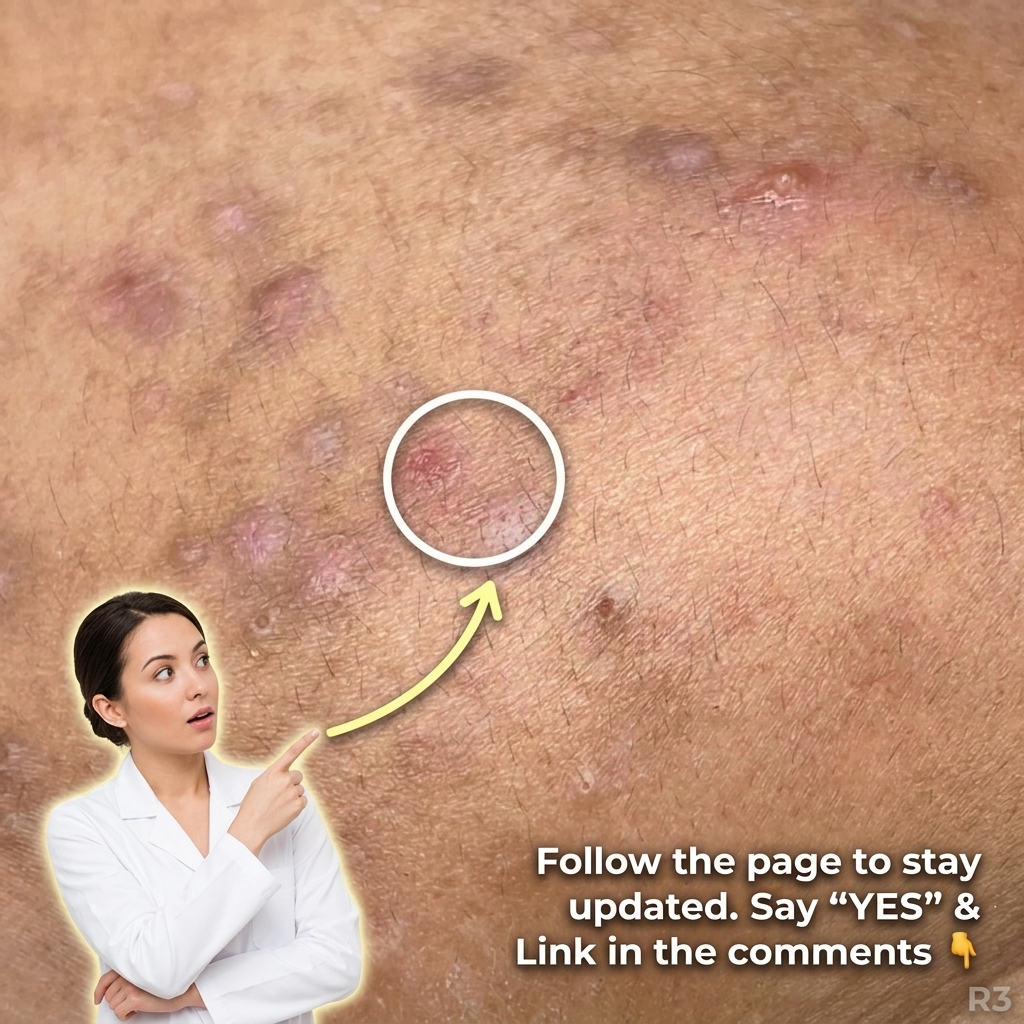
Whiteheads, scientifically referred to as closed comedones, represent a common manifestation of acne that originates deep within the pilosebaceous unit. The formation process begins when specialized skin cells called keratinocytes fail to shed normally through a biological process known as keratinization. Instead of sloughing off onto the skin surface, these dead cells accumulate inside the hair follicle lining. When this buildup mixes with natural skin oil, or sebum, produced by hyperactive sebaceous glands, a microscopic plug begins to form. Unlike open comedones, commonly known as blackheads, whiteheads remain entirely covered by a thin layer of epidermis. Because the pore opening remains sealed, the trapped material is shielded from oxygen exposure, preventing oxidation and preserving its pale or skin-colored appearance beneath the skin surface.
The biological cascade leading to clogged pores is often influenced by external factors, particularly how various topical formulations interact with the skin's natural lipid environment. Individuals with oily skin typically produce higher volumes of sebum, which can alter the physical behavior of surface cell shedding. When cosmetic or skincare ingredients with high comedogenic potential are layered over this naturally oily environment, they may blend with endogenous lipids to form a dense, resilient blockage. Certain heavy oils, emulsifiers, or incompatible fatty acids can alter the consistency of sebum, rendering it thicker and more prone to becoming trapped in the follicular canal. Research suggests that understanding these ingredient interactions is crucial for preventing follicular congestion, as even well-intentioned hydrating products can unintentionally contribute to micro-comedone development when paired incorrectly.
As closed comedones continue to develop beneath the skin, the physiological environment within the follicle undergoes significant changes. The stagnant mixture of keratin flakes and lipids creates an ideal anaerobic habitat for Cutibacterium acnes, a bacterium that resides within the natural skin microbiome. As these bacteria feed on trapped sebum, they release metabolic byproducts that can trigger localized tissue irritation and sub-clinical inflammation. While a whitehead may initially appear as a non-inflammatory bump, persistent pressure beneath the skin barrier can destabilize the follicular wall. If the wall ruptures internally, inflammatory cascades may expand, transforming a simple closed comedone into a papule or pustule. Consequently, monitoring how the skin responds to different product combinations is vital to preventing minor follicular blockages from escalating into more pronounced inflammatory acne lesions.
Addressing whiteheads effectively requires strategic product choices that target follicular obstruction without destabilizing the surrounding tissue. Lipophilic active ingredients, such as salicylic acid, are widely used in dermatological care because they can penetrate lipid-rich environments to break down trapped debris within clogged pores. However, the success of topical care often hinges on ingredient interaction and proper formulation synergy. Combining exfoliating beta-hydroxy acids with retinoids, for example, can enhance cell turnover and support sebum regulation, but overusing powerful actives simultaneously may impair the delicate skin barrier. When the barrier becomes compromised, heightened transepidermal water loss can trigger compensatory oil production, leading to a recurring cycle of congested pores. Careful pairing of soothing, hydrating agents with targeted keratolytics helps maintain a balanced skin surface while clearing sub-surface blockages.
Sustained management of closed comedones involves an integrated approach focused on maintaining long-term skin health and follicular clarity. Incorporating gentle chemical exfoliants into a consistent routine can help normalize keratinization and prevent dead cells from coalescing inside the pores. Skincare routines should be evaluated as a cohesive system rather than isolated steps, ensuring that cleansing agents, serums, and moisturizers work harmoniously without causing follicle-clogging residues. Dermatological literature emphasizes that preserving the skin microbiome and maintaining moisture balance are equally important as clearing existing blockages. While non-prescription formulations and mindful product combinations can significantly reduce the frequency of whiteheads, individuals experiencing persistent or severe forms of acne may benefit from personalized evaluation by a certified healthcare professional to optimize their overall skin management plan.
Related acne topics
- The Sub-Surface Origin of Acne: How Microcomedones Form Over Time
- Understanding Blackhead Formation: How Interacting Skin Systems Create Open Comedones
Health information notice: This article is for general informational and educational purposes only. It is not medical advice and does not replace consultation with a licensed dermatologist or healthcare provider.
This article was generated with AI assistance and has not been individually reviewed by a medical professional. View the accompanying YouTube video.