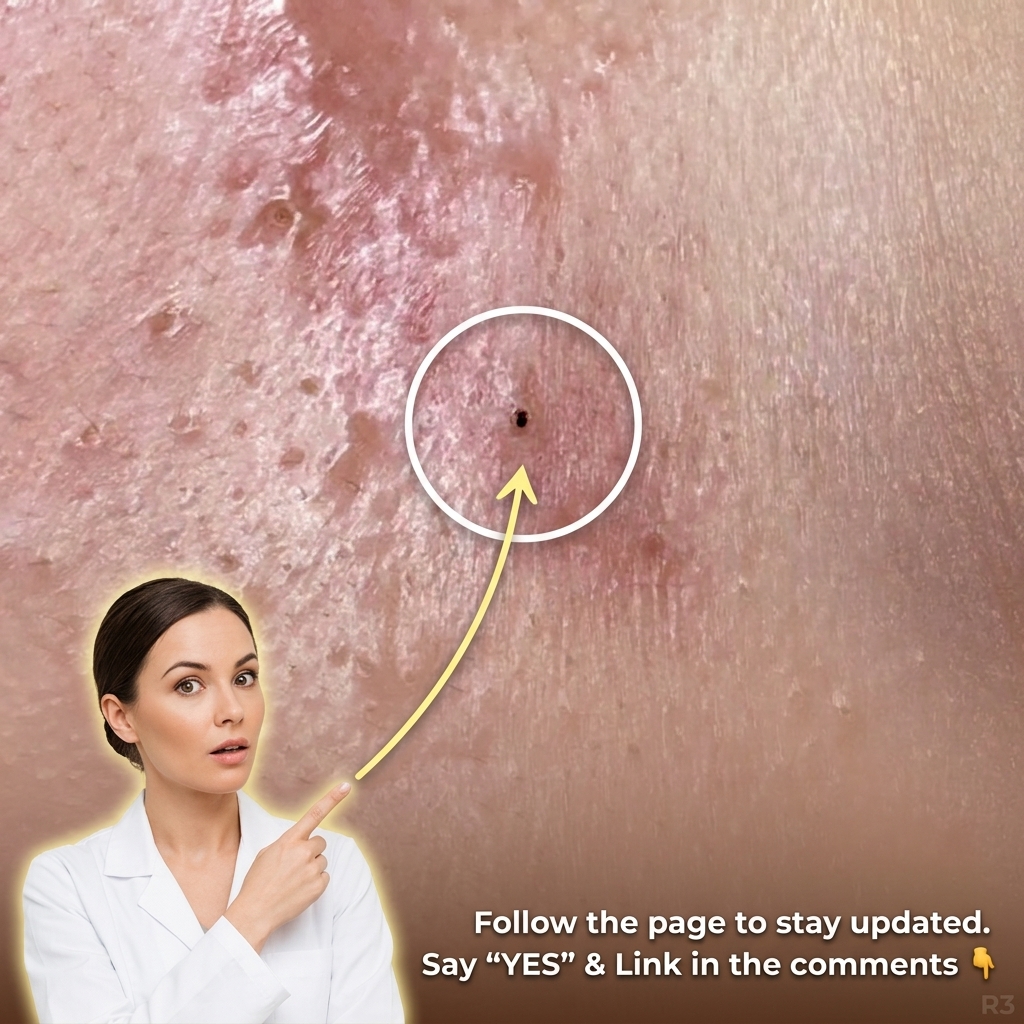
The development of visible acne often feels sudden, but the biological processes driving skin blemishes actually begin weeks before anything appears on the surface. At the foundation of nearly every lesion is a precursor structure known as a microcomedone, a microscopic blockage formed within the hair follicle. Under normal conditions, specialized cells called keratinocytes line the inside of pores and are shed continuously onto the skin surface. However, when the rate of cell shedding slows down or becomes irregular, these dead cells can accumulate inside the follicular canal. When this cellular debris mixes with natural skin oil, known as sebum, it forms a microscopic plug that impedes normal follicular drainage. Because this initial blockage is far too small to see with the naked eye, the skin may appear clear while invisible changes are already underway beneath the surface. Over time, continuous sebum production behind this plug creates tension within the pore, setting the stage for future skin irregularities.
Several underlying biological factors influence why certain individuals are more prone to forming microcomedones over extended periods. A primary driver is abnormal follicular keratinization, a process in which skin cells inside the pore stick together rather than shedding freely. This altered shedding behavior is frequently combined with elevated sebum production, which is commonly associated with hormonal fluctuations or genetics. When an excess volume of oil enters the hair follicle, it creates a dense environment where keratinized cells readily clump together, increasing the likelihood of clogged pores. Furthermore, changes in the chemical composition of sebum, such as a reduction in essential fatty acids or an increase in squalene oxidation, can make the oil thicker and more comedogenic. People with naturally oily skin often experience these ongoing cellular dynamics, making their pores particularly susceptible to persistent sub-surface microcomedones.
As a microcomedone continues to collect dead cellular material and sebum over time, its progression determines the specific type of visible blemish that eventually emerges. If the top of the plugged pore remains covered by a thin layer of skin cells, the trapped contents are shielded from air, resulting in a closed comedone, commonly recognized as a whitehead. Conversely, if the pore opening stretches and becomes exposed to oxygen, the melanin pigment and lipids within the plug oxidize, turning dark and forming an open comedone, widely known as a blackhead. If the blockage completely restricts oxygen and accumulates excessive fluid pressure, it creates an ideal microenvironment for Cutibacterium acnes, a dominant organism in the skin microbiome. As these bacteria proliferate, they break down sebum into irritating free fatty acids, triggering a localized immune response that causes redness, swelling, and classic inflammatory acne lesions.
Addressing microcomedones requires targeted strategies aimed at disrupting the early formation of follicular plugs rather than merely treating visible surface blemishes after they appear. In dermatological literature, topical retinoids are widely regarded as a cornerstone approach because they help regulate keratinization and promote healthy cell turnover within the pore lining. By preventing dead cells from sticking together, retinoids can effectively reduce the formation of new sub-surface microcomedones over long-term use. Additionally, beta-hydroxy acids such as salicylic acid are frequently recommended because their lipid-soluble nature allows them to penetrate deeply into oil-filled pores, dissolving accumulated sebum and dead cellular buildup. Incorporating gentle, non-comedogenic cleansers and maintaining a stable skin barrier also support overall pore clarity, allowing the skin to gradually clear existing sub-surface impactions while minimizing future blockages.
Because microcomedones take several weeks to mature into visible whiteheads, blackheads, or papules, managing skin health successfully depends on consistent, long-term care rather than short-term spot treatments. Expecting immediate resolution often leads to over-cleansing or harsh exfoliation, which can disrupt the delicate skin barrier, induce inflammation, and ultimately trigger compensatory sebum production that worsens clogged pores. Maintaining a steady, supportive skincare routine allows active ingredients adequate time to alter follicular dynamics and clear microcomedones before they progress. Research suggests that evaluating the true effectiveness of any acne-focused regimen requires at least eight to twelve weeks of continuous use, mirroring the natural cycle of epidermal renewal. By focusing on long-term preventative maintenance and gentle sebum regulation, it becomes possible to maintain clearer skin and prevent the subtle, underlying cycles that drive recurrent breakouts.
Related acne topics
- Understanding Follicular Keratinization and Its Clinical Management in Acne-Prone Skin
- Understanding Clogged Pores: How Ingredient Interactions and Skin Biology Drive Acne Formation
Health information notice: This article is for general informational and educational purposes only. It is not medical advice and does not replace consultation with a licensed dermatologist or healthcare provider.
This article was generated with AI assistance and has not been individually reviewed by a medical professional. View the accompanying YouTube video.