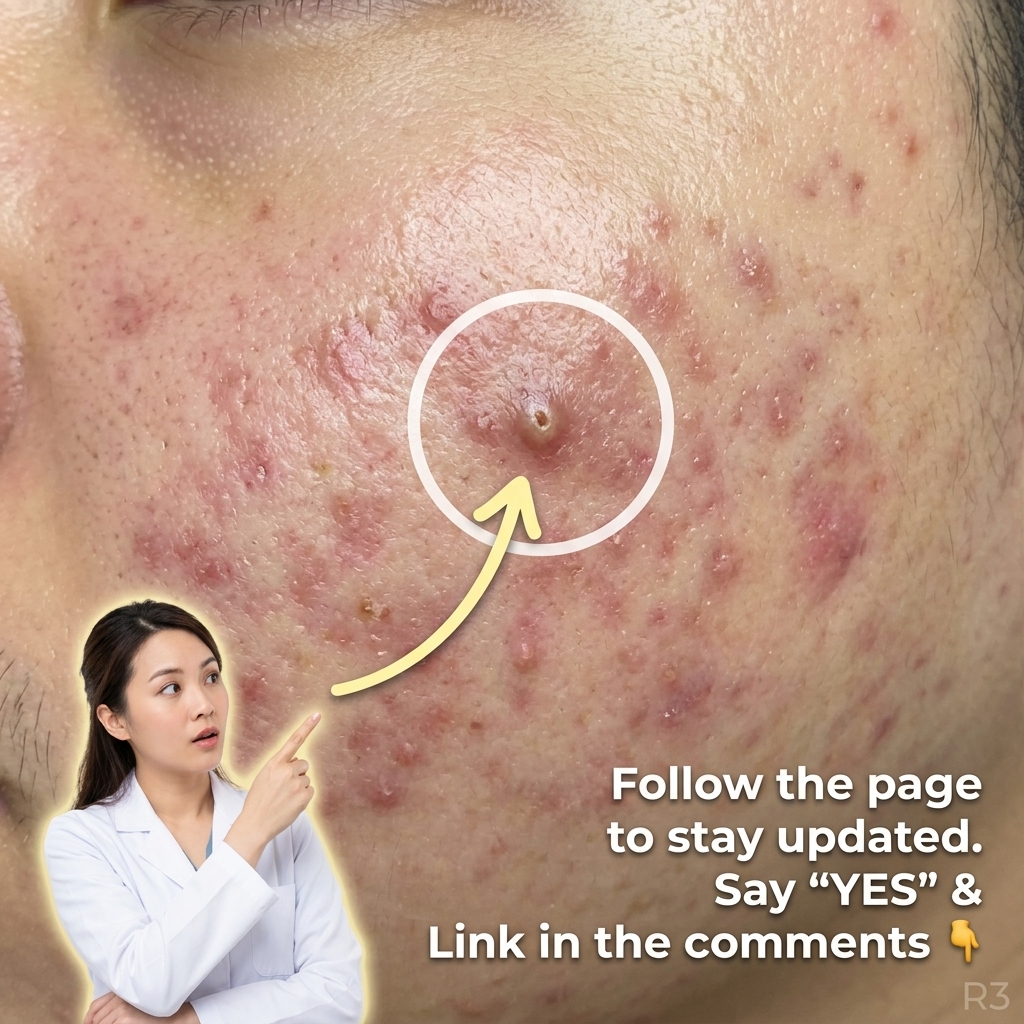
Acne development typically begins deep within the pilosebaceous unit, where microscopic changes create the initial environment for future blemishes to take root. At the center of this process is the microcomedone, an early pore blockage composed of excess sebum and shed epidermal cells. Under typical conditions, dead keratinocytes naturally slough off and exit the pore canal onto the surface of the skin. However, when an individual experiences altered keratinization, these cells clump together instead of shedding smoothly. When combined with normal or elevated sebum levels, this cellular debris creates a soft plug that occludes the follicular opening. Skincare formulas interact directly with this micro-environment. Applying heavy, highly occlusive topical products can sometimes trap these naturally occurring substances, compounding the blockage. Research suggests that understanding this early microscopic phase is essential because preventing initial obstruction is far more effective than attempting to manage full-blown inflammatory lesions later in the process.
Several biological and external factors contribute to the formation of clogged pores, particularly the complex interaction between natural skin lipids and topically applied skincare formulations. Elevated androgen hormones frequently trigger excess sebum production, which alters the fluidity of skin oils and makes them more prone to lipid oxidation. Concurrently, hyperkeratinization leads to an overproduction of adhesive proteins within the pore lining. When topical ingredients with high comedogenic potential interact with this compromised sebum, they can exacerbate the tendency of lipid-rich debris to harden within the canal. Certain cosmetic emulsifiers or thick emollients may bind with natural cutaneous lipids, forming an even denser barrier against normal desquamation. Dermatological literature indicates that this structural entrapment creates an anaerobic space ideal for the proliferation of Cutibacterium acnes, thereby transforming a non-inflammatory blockage into a localized immune response.
The visible manifestation of clogged pores depends largely on whether the follicular orifice remains open or closed to the external atmosphere. When a plug forms and remains covered by a thin layer of skin cells, it produces a closed comedone, commonly recognized as a whitehead. Conversely, if the pore opening expands and exposes the accumulated mixture of lipids and keratin to oxygen, chemical oxidation turns the exposed tip dark, resulting in an open comedone or blackhead. As these blockages persist in oily skin, they can cause the follicular wall to stretch and eventually rupture, spilling bacteria and cellular debris into the surrounding dermis to spark inflammation. Skincare ingredients interact with these structures differently based on their solubility profile; water-based hydrators may soften the surface but struggle to penetrate lipid-dense plugs, whereas oil-miscible compounds can migrate into the pore canal to interact directly with oxidized sebum.
Addressing early-stage pore blockages relies heavily on selecting topical active ingredients that interact strategically with the biological components of the plug. Beta-hydroxy acids, most notably salicylic acid, are lipophilic compounds capable of penetrating deeply into oil-rich pores to break apart intercellular bonds within the keratinized plug. Concurrently, ingredients like topical retinoids interact with cellular receptors to normalize the keratinization process, preventing abnormal cell shedding before a plug can even initiate. When combined thoughtfully, these active agents work synergistically to reduce microcomedone formation without compromising the natural skin barrier. However, combining multiple strong active ingredients improperly can induce localized irritation, which paradoxically increases keratinocyte shedding and worsens pore obstruction. This delicate balance highlights the importance of evaluating how active compounds interact both with structural skin lipids and with each other.
Long-term management of acne-prone skin requires a comprehensive approach focused on supporting the overall skin barrier while maintaining clear follicular pathways. Over-cleansing or aggressive scrubbing with harsh surfactants can strip essential surface lipids, triggering reactive hyper-seborrhea and heightened skin sensitivity. Integrating gentle active ingredients alongside barrier-supporting components, such as niacinamide or ceramides, helps balance sebum regulation while minimizing transepidermal water loss. Furthermore, maintaining a balanced skin microbiome is increasingly recognized as vital, as a healthy microbial environment helps modulate inflammatory responses within the follicle. Skincare routines designed around harmonious ingredient interactions tend to yield more stable, enduring results than sporadic, aggressive interventions. Consulting a dermatologist remains a helpful step for tailoring topical regimens to an individual's unique biological skin profile.
Related acne topics
Health information notice: This article is for general informational and educational purposes only. It is not medical advice and does not replace consultation with a licensed dermatologist or healthcare provider.
This article was generated with AI assistance and has not been individually reviewed by a medical professional. View the accompanying YouTube video.