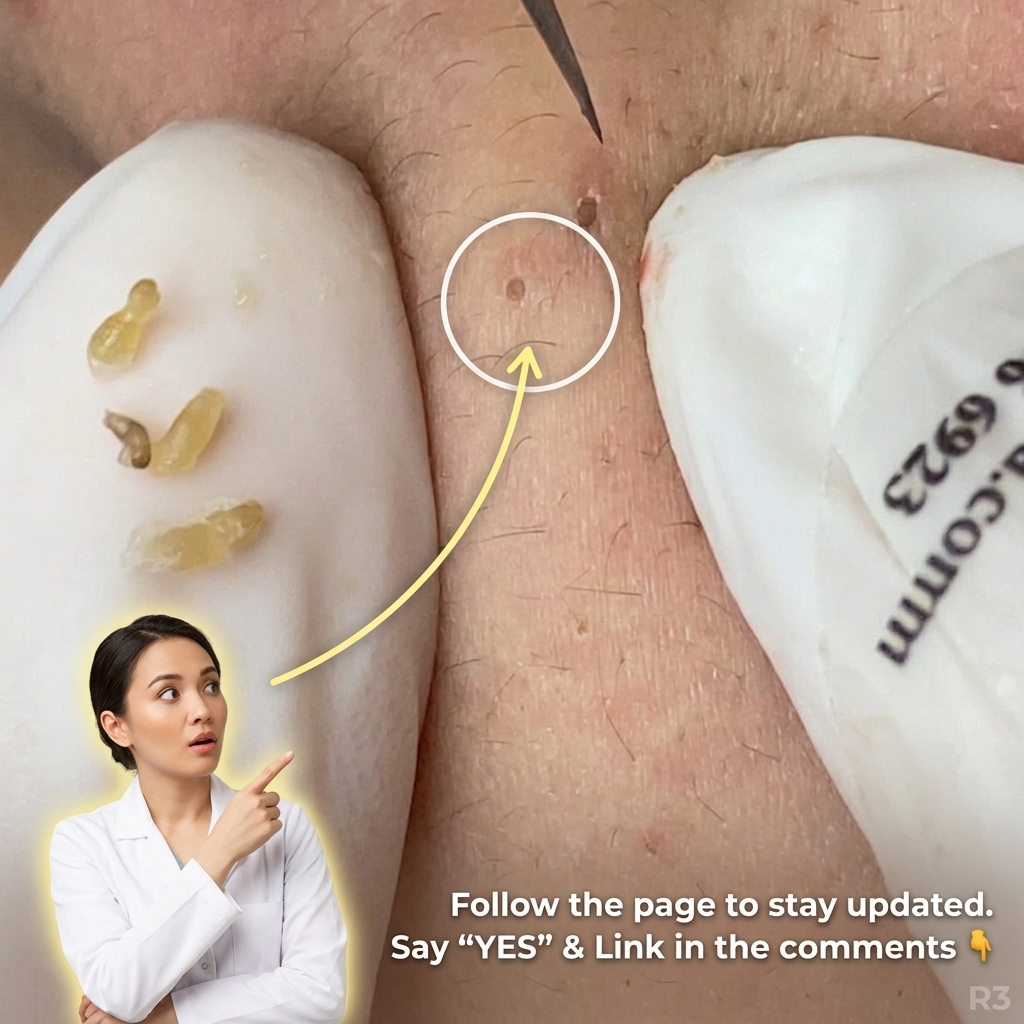
Follicular hyperkeratinization represents one of the primary pathophysiological drivers in the development of acne vulgaris. Under normal, healthy physiological conditions, skin cells known as keratinocytes gradually mature and shed smoothly from the lining of the hair follicle, allowing natural fluids to escape freely onto the surface. In acne-prone individuals, however, this process becomes dysregulated, leading to an abnormal accumulation of sticky, un-shed dead skin cells within the follicular duct. When these shed cells fail to detach properly, they adhere to one another and form a tight physical plug within the pore structure. This impairment of normal cell turnover prevents the natural drainage of the pilosebaceous unit, setting the stage for subsequent blockage. Understanding this fundamental breakdown in cellular exfoliation is essential, as it highlights why targeted interventions must directly address cellular cohesion rather than merely clearing surface oil or debris.
The development of abnormal keratinization is rarely an isolated phenomenon; rather, it interacts dynamically with excess lipid production and microbial activity. When the sebaceous glands produce heightened amounts of sebum, the lipid composition often alters, creating a localized environment that can further disrupt healthy shedding. Research suggests that oxidized sebum components, alongside localized hormonal fluctuations, may actively signal keratinocytes to proliferate more rapidly and adhere more tightly. Concurrently, the cutaneous microbiome, specifically the proliferation of Cutibacterium acnes, plays a substantial role by releasing metabolic enzymes and inflammatory mediators that irritate the follicular wall. This synergistic breakdown between excess lipid synthesis, altered lipid composition, and bacterial activity accelerates the formation of microcomedones. Consequently, addressing acne effectively requires a strategic approach that evaluates both cellular turnover and the surrounding microenvironment within the pore.
As hyperkeratinization continues unchecked within the pilosebaceous unit, the accumulation of trapped cellular debris and sebum leads to distinct visible lesions. Initially, the trapped material creates non-inflammatory comedones, which manifest as either open comedones (blackheads) or closed comedones (whiteheads). Blackheads occur when the follicular opening remains slightly dilated, exposing accumulated lipids and melanin to air, where oxidation turns the plug dark. Conversely, whiteheads form when the follicular pore remains fully covered by a thin layer of skin, preventing oxidation and maintaining a pale appearance. If the internal pressure within these clogged pores increases further, the follicle wall can rupture, allowing cellular fragments and bacterial byproducts to leak into the surrounding dermis. This rupture triggers a localized immune cascade, transforming passive structural plugs into painful, inflamed papules, pustules, or deeper nodules that require systematic therapeutic care.
From a clinical perspective, targeted topicals are structured to directly intervene in the hyperkeratinization process to re-establish normal cellular shedding. Keratolytic agents, such as salicylic acid, are frequently utilized because their lipophilic nature allows them to penetrate deeply into oil-filled pores, dissolving the intercellular cement that binds dead cells together. Additionally, topical retinoids play a vital central role in long-term acne management by normalizing epithelial desquamation and reducing the stickiness of keratinocytes within the follicular funnel. By encouraging a regular turnover cycle, these agents help prevent the formation of new microcomedones before they escalate into inflammatory lesions. Combining keratolytics with agents that promote sebum regulation or antimicrobial balance provides a comprehensive framework, addressing multiple steps in the acne cascade simultaneously while supporting overall cutaneous health.
Sustaining improvements in acne-prone skin over the long term requires maintaining a delicate balance between active cellular turnover and supporting the skin barrier. While aggressive exfoliation might initially seem beneficial for clearing congested pores, over-treating can compromise the lipid barrier, leading to transepidermal water loss, increased sensitivity, and reactive inflammation. Dermatological literature emphasizes that a well-supported skin barrier is less prone to chronic irritation, which in turn reduces the likelihood of secondary inflammatory flare-ups. Incorporating mild non-comedogenic cleansers, appropriate hydrating agents, and consistent daily sun protection alongside active treatments ensures that the skin remains resilient. Ultimately, an effective pathway focuses on gentle, sustained modulation of follicular keratinization rather than harsh disruption, promoting clearer, healthier skin through balanced and continuous evidence-based care.
Related acne topics
- Understanding Clogged Pores: How Ingredient Interactions and Skin Biology Drive Acne Formation
- Understanding How Sebum Overproduction Drives the Biological Mechanisms of Acne
Health information notice: This article is for general informational and educational purposes only. It is not medical advice and does not replace consultation with a licensed dermatologist or healthcare provider.
This article was generated with AI assistance and has not been individually reviewed by a medical professional. View the accompanying YouTube video.