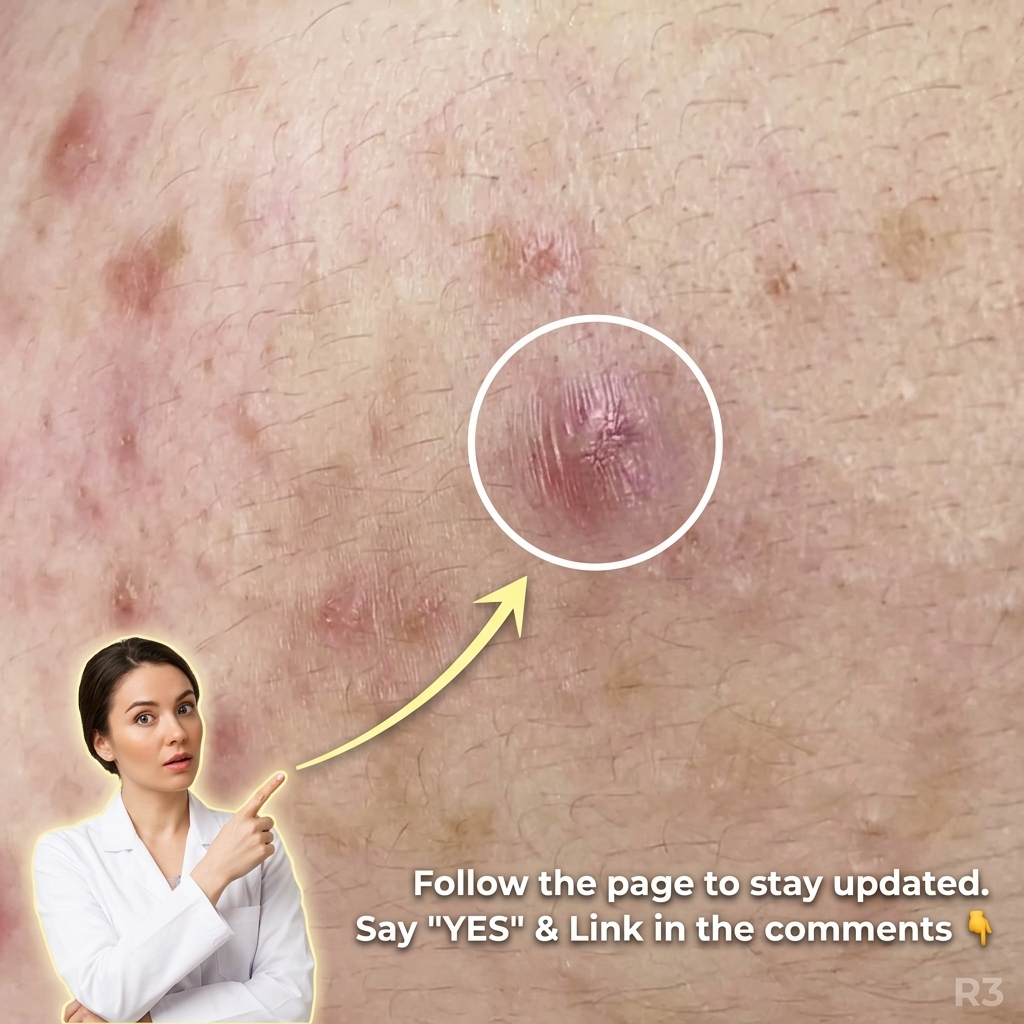
Blackheads, medically recognized as open comedones, arise from a continuous interaction between the sebaceous glands, hair follicles, and the natural shedding process of the skin. Deep within the pilosebaceous unit, sebaceous glands produce an oily substance known as sebum, which normally serves to lubricate the skin surface and protect the cutaneous barrier. However, when sebum production becomes excessive, it interacts with shed skin cells inside the follicular canal. Under typical conditions, dead skin cells are gradually sloughed off through a process called keratinization. When abnormal keratinization occurs, these dead cells adhere together rather than detaching cleanly. This mixture of surplus sebum and trapped cellular debris collects within the pore opening. Because the top of the follicle remains open to the external environment, the plug is exposed to atmospheric oxygen, initiating an oxidation reaction that turns the exposed debris dark gray or black.
Multiple interconnected factors within the skin system dictate why certain pores are particularly prone to blackhead formation. Hormonal fluctuations can signal the sebaceous glands to elevate lipid synthesis, leading to oily skin that acts as a reservoir for cellular accumulation. At the same time, the composition of the sebum itself may undergo alterations, becoming thicker or more prone to stagnation within the follicular neck. Research suggests that an impaired skin barrier can exacerbate these dynamics by causing localized inflammation and altering the natural microenvironment of the epidermis. Furthermore, shifts in the cutaneous microbiome can influence how lipid components break down into free fatty acids, which may further disrupt healthy follicular shedding. When sebum regulation breaks down, the rate of cellular debris accumulation easily outpaces the pore's capacity to clear itself, making clogged pores a persistent occurrence across areas rich in sebaceous glands.
The visual manifestation of blackheads offers insight into the physical structure of the affected pore and its surrounding skin architecture. Unlike whiteheads, which develop when a pore opening remains completely covered by a thin layer of stratum corneum cells, open comedones permit atmospheric contact. This structural openness prevents pressure buildup behind a sealed surface, which is why blackheads rarely manifest as painful, inflamed papules in their early stages. Nevertheless, as the impacted plug of lipid material and keratinized proteins expands, it can physically stretch the follicular walls over time. This mechanical dilation often leaves the pore looking visibly enlarged even after the debris is evacuated. The surrounding texture of oily skin can accentuate this appearance, as sunlight reflects differently off uneven, congested pore structures. Understanding this distinction helps clarify why addressing surface oil alone is often insufficient for managing stubborn acne.
Topical management of open comedones generally focuses on restoring normal follicular shedding and regulating oil within the pore structure. Beta-hydroxy acids, such as lipid-soluble salicylic acid, are frequently highlighted in dermatological literature for their ability to penetrate deep into the lipid-rich pore environment. Once inside, these compounds help dissolve intercellular bonds, facilitating the breakdown of trapped keratin and oxidized sebum. Similarly, topical retinoids are widely utilized to normalize the cellular turnover cycle, preventing abnormal keratinization before a solid plug can form. Regular use of these targeted active ingredients may gradually reduce the frequency of clogged pores by altering how dead skin cells aggregate inside the canal. Over time, supporting continuous cellular renewal reduces the raw material required for blackheads to develop, promoting a smoother and more refined skin surface without causing unnecessary physical irritation.
Maintaining a balanced follicular environment requires a persistent, low-irritation approach to routine skincare. Aggressive scrubbing or manual squeezing can rupture the delicate follicular walls beneath the surface, potentially introducing bacteria and converting a mild open comedone into an inflammatory acne lesion. According to dermatological principles, prioritizing skin barrier integrity alongside gentle pore maintenance yields the most consistent long-term results. Incorporating non-comedogenic moisturizers ensures that the skin remains adequately hydrated without adding heavy oils that could contribute to further congestion. Additionally, managing environmental factors, such as pollution particle accumulation and excessive ultraviolet exposure, helps limit the oxidative stress that darkens pore contents. By treating blackhead formation as an ongoing interaction between oil production, cell shedding, and external exposures, individuals can adopt balanced skincare routines that support clearer, healthier-looking skin over time.
Related acne topics
- Understanding Clogged Pores: How Ingredient Interactions and Skin Biology Drive Acne Formation
- The Sub-Surface Origin of Acne: How Microcomedones Form Over Time
Health information notice: This article is for general informational and educational purposes only. It is not medical advice and does not replace consultation with a licensed dermatologist or healthcare provider.
This article was generated with AI assistance and has not been individually reviewed by a medical professional. View the accompanying YouTube video.
