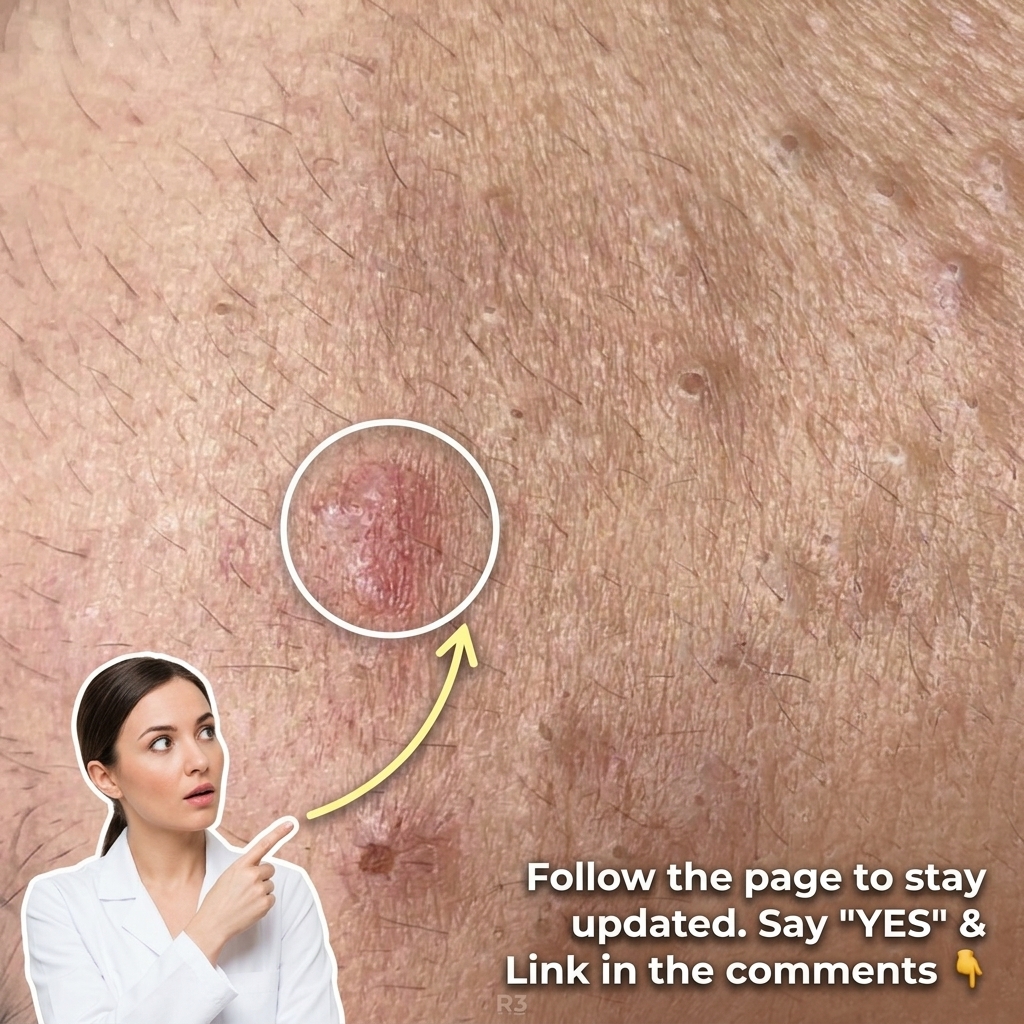
While acne was historically viewed as a temporary cosmetic disruption caused simply by trapped debris, contemporary dermatological research classifies it as a chronic inflammatory condition. Biological studies reveal that inflammatory pathways are active within the pilosebaceous unit even before visible lesions appear on the skin surface. This subclinical inflammation interferes with normal follicular shedding, leading to abnormal keratinization where dead skin cells adhere together instead of shedding naturally. When this process combines with elevated sebum production, it rapidly leads to clogged pores, creating an environment susceptible to localized vascular changes and sustained immune recruitment. Because this inflammatory cascade can persist continuously beneath the surface, acne often behaves as a recurrent, long-term disorder rather than a series of isolated skin events, requiring comprehensive management to address its underlying biological mechanisms.
Several interconnected biological factors contribute to maintaining this chronic inflammatory state over extended periods. Hormonal fluctuations frequently stimulate the sebaceous glands, resulting in hyperseborrhea and noticeably oily skin. This surplus sebum alters the microenvironment of the follicle, which can shift the composition of the cutaneous microbiome. Specifically, certain strains of Cutibacterium acnes proliferate within these oxygen-deprived, lipid-rich clogged pores, triggering pattern recognition receptors in surrounding epidermal cells. Research suggests that this interaction releases pro-inflammatory cytokines, recruiting immune cells to the follicle and maintaining localized tissue reactivity. This continuous chemical signaling perpetuates tissue irritation and structural stress within the skin matrix. Consequently, managing acne effectively requires addressing not just surface oiliness, but also restoring microbial equilibrium and regulating inflammatory signaling.
The internal inflammatory process manifests in several distinct visible lesions on the skin. In its early non-inflammatory stages, accumulation of lipids and cellular debris forms open comedones, commonly known as blackheads, or closed comedones, known as whiteheads. As subclinical inflammation intensifies and follicular walls rupture, these non-inflammatory lesions evolve into visible papules, pustules, or deep-seated nodular lesions. In clinical and spa settings, careful manual extraction is sometimes utilized to relieve pressure from stubborn comedones; however, physical removal alone does not stop the underlying inflammatory pathway. Without stabilizing the compromised skin barrier and addressing cellular turnover, new blockages will continuously form in nearby pores. Understanding these visual stages helps individuals recognize that surface lesions are merely symptoms of an ongoing biological response that requires consistent structural support.
Following a structured clinical treatment pathway requires targeting the multiple steps of acne pathophysiology simultaneously. Modern dermatological strategies focus on sustained therapeutic routines that promote gentle cellular renewal while dampening continuous inflammatory pathways. For instance, topical retinoids are frequently recommended because they help normalize keratinization within the follicle, reducing the formation of microcomedones before they can develop into inflammatory lesions. Additionally, active ingredients such as azelaic acid or salicylic acid offer multi-functional benefits by providing mild exfoliation, supporting sebum regulation, and offering antimicrobial and anti-inflammatory properties. Integrating these targeted agents into a regular care regimen helps protect the delicate skin barrier, preventing the cycle of follicular blockage and localized tissue swelling without causing excessive surface irritation over long periods of therapy.
Because acne is inherently a chronic condition, long-term management strategies are essential for maintaining skin health and preventing future recurrences. Unlike acute skin infections that resolve completely after brief interventions, chronic acne often requires ongoing, preventive care to keep subclinical inflammation under control over several months or years. Adopting a structured skincare regimen that combines appropriate topical treatments with non-comedogenic hydration helps support the skin barrier, which is frequently disrupted by both inflammatory processes and active therapies. Furthermore, consulting a qualified dermatologist provides personalized guidance to adjust clinical treatment pathways as skin needs evolve over time. Consistent care not only helps keep pores clear and reduces active breakouts, but it also minimizes long-term risks such as post-inflammatory hyperpigmentation and dermal scarring.
Related acne topics
- Understanding How Cutibacterium Acnes and Ingredient Interactions Drive Inflammatory Acne
- Understanding the Role of Cellular Shedding in Pore Congestion and Long-Term Skin Health
Health information notice: This article is for general informational and educational purposes only. It is not medical advice and does not replace consultation with a licensed dermatologist or healthcare provider.
This article was generated with AI assistance and has not been individually reviewed by a medical professional. View the accompanying YouTube video.