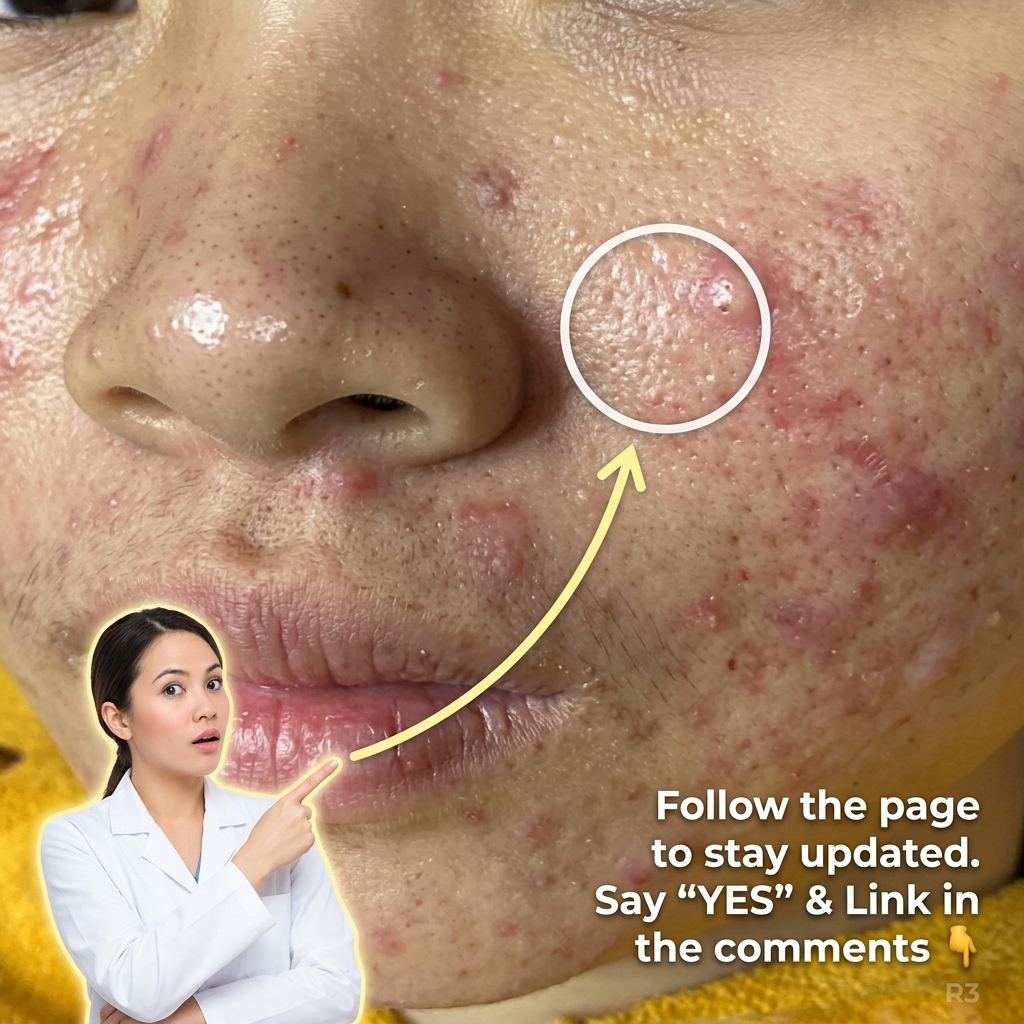
During puberty, the human body undergoes significant physiological shifts, most notably a marked increase in circulating androgen hormones. These systemic hormonal changes directly interact with the integumentary system by stimulating the sebaceous glands located within the hair follicles. As androgen levels rise, these glands expand and produce an increased volume of sebum, an oily substance essential for maintaining surface hydration and protecting the tissue. However, when sebum production becomes excessive, it interacts with altered keratinization—a process where dead skin cells within the follicular duct shed abnormally and stick together. Instead of naturally sloughing off at the surface, these sticky dead skin cells blend with the surplus oil, leading to clogged pores. This intricate interaction between hormonal signals, glandular activity, and cellular turnover forms the primary biological foundation for the onset of pubertal acne.
As the follicular pathway becomes obstructed, distinct types of acne lesions begin to form depending on whether the clogged pores remain open or closed to the external environment. When a plug composed of sebum and cellular debris remains trapped beneath an intact layer of surface skin, it presents as a closed comedone, commonly known as a whitehead. Conversely, if the pore opening expands and exposes the accumulated material to oxygen, chemical oxidation occurs, darkening the debris and creating an open comedone, or blackhead. If this microenvironment remains blocked, it creates an oxygen-deprived space where Cutibacterium acnes, a natural component of the skin microbiome, can proliferate rapidly. The bacterial overgrowth triggers a localized immune response, causing inflammation that transforms simple comedones into tender red papules or pus-filled pustules on oily skin regions.
The development of inflammatory acne highlights the complex interplay between the microscopic cutaneous ecosystem, systemic immune responses, and structural skin barrier function. As bacteria break down excess lipids within blocked follicles, free fatty acids are released, irritating the surrounding follicular walls. This localized irritation prompts inflammatory cells to enter the area, weakening the structural integrity of the pore lining. If the follicular wall ruptures under pressure, inflammatory mediators and debris spill into the deeper dermis, escalating tissue reactivity. This internal cascade demonstrates how acne is not merely a surface concern, but a dynamic system interaction between sebum composition, bacterial dynamics, cellular cohesion, and immune activity. Preserving skin barrier integrity during these reactive phases is critical, as a compromised barrier can aggravate sensitivity and prolong recovery.
Managing pubertal acne often involves topical interventions designed to target specific steps in the acne cascade, particularly pore congestion and excess oiliness. Beta-hydroxy acids, such as salicylic acid, are lipid-soluble compounds that can penetrate into oily skin to help dissolve trapped keratin and sebum within congested pores. Similarly, topical retinoids are frequently discussed in dermatology for their ability to support normal keratinization and accelerate cellular turnover, preventing dead cells from clumping together initially. To address bacterial overgrowth, agents like benzoyl peroxide work by introducing oxygen into the follicle to suppress bacterial populations, which minimizes the likelihood of inflammatory flare-ups. Supporting these targeted interventions with mild, non-comedogenic cleansers helps promote effective sebum regulation without causing excessive irritation or dehydration.
Long-term acne management requires a balanced approach that respects the delicate nature of developing adolescent skin. Over-cleansing or using excessively harsh physical scrubs can disrupt the delicate skin barrier, leading to compensatory sebum overproduction and increased reactivity. Instead, dermatological literature emphasizes consistent, gentle daily care that pairs targeted active ingredients with adequate hydration and sun protection. Recognizing that pubertal acne fluctuates alongside natural hormonal shifts can help individuals set realistic expectations for gradual progress rather than immediate resolution. When persistent inflammation, deep cysts, or scarring occur, consulting a qualified healthcare professional or dermatologist provides personalized evaluation. Professional guidance ensures that therapeutic strategies effectively address individual skin behavior while safeguarding long-term skin health.
Related acne topics
- Understanding the Biological Distinctions Between Blackheads and Whiteheads
- Understanding Clogged Pores: How Ingredient Interactions and Skin Biology Drive Acne Formation
Health information notice: This article is for general informational and educational purposes only. It is not medical advice and does not replace consultation with a licensed dermatologist or healthcare provider.
This article was generated with AI assistance and has not been individually reviewed by a medical professional. View the accompanying YouTube video.
