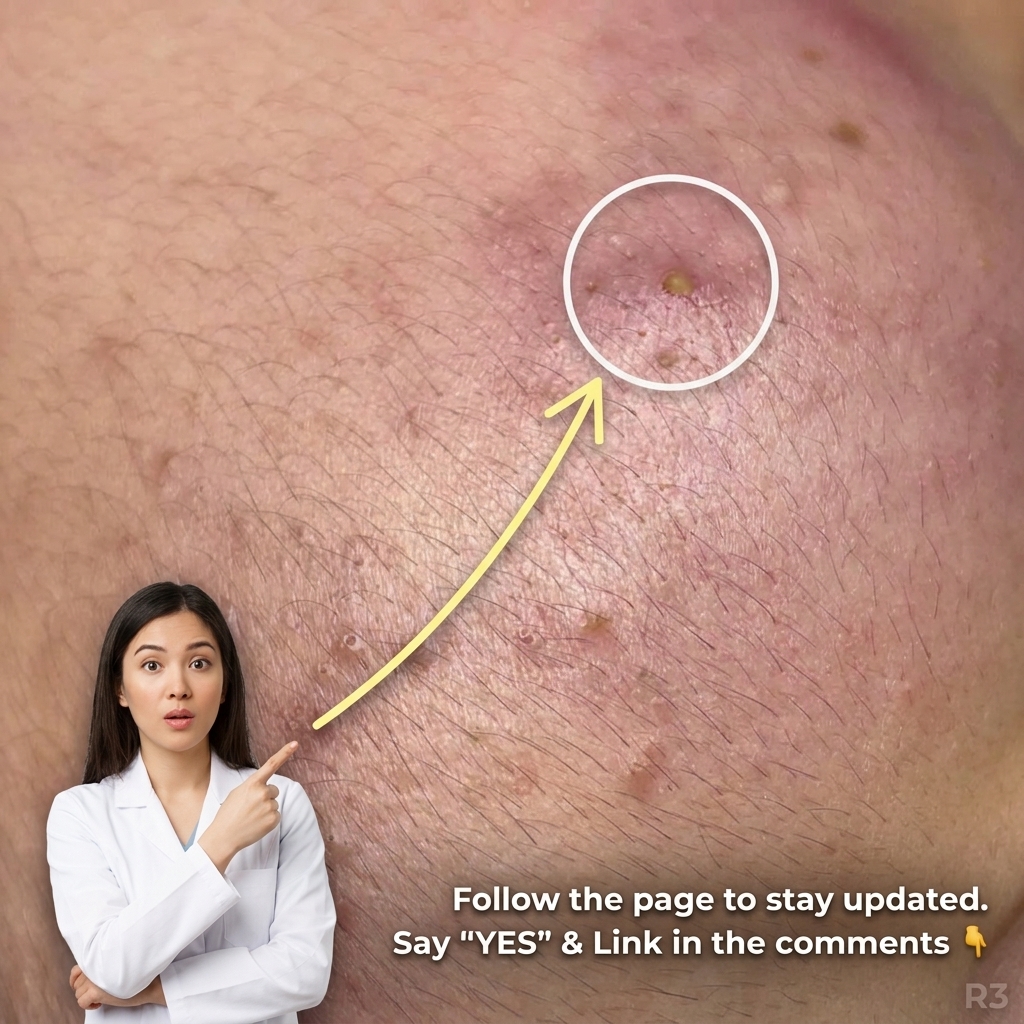
To understand the fundamental distinction between blackheads and whiteheads, it is essential to examine the microscopic environment of the human pilosebaceous unit, commonly known as the hair follicle pore. Acne formation begins when the natural shedding process of dead skin cells, known as desquamation, becomes disrupted. Under normal conditions, specialized epidermal cells called keratinocytes regularly detach and rise to the surface of the skin. However, in individuals prone to clogged pores, an abnormal phenomenon termed follicular hyperkeratinization occurs. During this process, sticky dead skin cells accumulate inside the pore channel rather than shedding cleanly. When this excess cellular debris merges with natural oils produced by the sebaceous glands, a soft plug called a comedo begins to form. This primary microcomedo serves as the precursor for both blackheads and whiteheads, representing the initial stage of acne development before inflammatory pathways become heavily involved.
The key factor determining whether a clogged pore becomes a blackhead is the structural state of the follicular orifice. In the case of an open comedo, commonly referred to as a blackhead, the pore opening remains dilated and exposed to the external environment. As the plug composed of sebum and dead skin cells expands, it extends toward the surface of the skin. Upon contact with atmospheric oxygen, the trapped lipids and melanin pigments undergo a chemical reaction known as oxidation. This oxidative process alters the optical properties of the material, causing the visible top of the plug to turn a dark brown or black color. It is a common biological misconception that blackheads are caused by trapped dirt or poor hygiene; rather, they are the direct result of lipid oxidation within a dilated pore, often exacerbated by elevated sebum production and oily skin conditions.
Conversely, a closed comedo, widely recognized as a whitehead, develops under entirely different biological structural conditions. In whiteheads, the microscopic opening of the hair follicle is obstructed or sealed off by a thin layer of surface epidermal cells. Because the trapped mixture of dead keratinocytes and excess sebum is fully enclosed beneath the stratum corneum, it remains shielded from exposure to external air. Consequently, oxidation cannot occur, allowing the plug to maintain its characteristic white, flesh-colored, or pale yellowish appearance. The enclosed, oxygen-deprived environment created inside a closed comedo can also foster ideal conditions for the proliferation of Cutibacterium acnes, a resident member of the skin microbiome. Although whiteheads are classified as non-inflammatory lesions, this confined cellular environment increases the potential for localized pressure to build up beneath the skin surface.
The biological evolution from non-inflammatory comedones to inflammatory acne depends heavily on follicular wall stability and host immune responses. As sebum regulation becomes imbalanced and keratinocytes continue to pile up within a whitehead or blackhead, the physical pressure against the follicular lining increases. If this structural lining weakens or ruptures, foreign organic substances—including bacterial metabolites, free fatty acids, and keratin particles—spill into the surrounding dermal tissue. The immune system recognizes these cellular materials as irritants, triggering a localized cascade of inflammation. This inflammatory reaction transforms a simple closed or open comedo into a red, swollen papule or pus-filled pustule. Preserving the delicate skin barrier while managing oiliness is critical, as harsh physical scrubbing or aggressive extractions can tear the follicular wall, inadvertently accelerating inflammatory responses across neighboring dermal tissues.
Dermatological research highlights several key target mechanisms for managing both open and closed comedones effectively over time. Topical agents that encourage proper keratinization and cellular turnover, such as retinoids, are frequently referenced in scientific literature as foundational options for long-term acne management. To target excess lipid accumulation within the pore lining, lipophilic ingredients like salicylic acid can penetrate through sebum to break down cohesive cellular debris. Supporting the overall health of the skin barrier while maintaining balanced moisture levels is essential to prevent compensatory oil overproduction, which often follows over-drying treatments. While over-the-counter options may assist in reducing daily congestion, individuals experiencing persistent or severe breakouts may benefit from a comprehensive evaluation by a qualified healthcare professional to tailor long-term skin management strategies safely.
Related acne topics
- Understanding How Whiteheads Form Beneath the Skin Surface and the Role of Topical Ingredient Interactions
- Understanding Blackhead Formation: How Interacting Skin Systems Create Open Comedones
Health information notice: This article is for general informational and educational purposes only. It is not medical advice and does not replace consultation with a licensed dermatologist or healthcare provider.
This article was generated with AI assistance and has not been individually reviewed by a medical professional. View the accompanying YouTube video.
