The skin operates as a complex ecosystem where various biological functions must remain balanced to maintain clarity and overall health. At the center of oily skin concerns are the sebaceous glands, which secrete sebum—a complex lipid mixture designed to lubricate the surface and support the natural skin barrier. However, when these glands produce excess oil, the microscopic environment within the pores changes dramatically. Excess sebum can mix with shed skin cells, altering the normal flow of secretions out of the follicular canal. In balanced skin, dead cells are continually shed and swept away, but an overabundance of oil creates a sticky matrix that physically traps these cells inside the pore. This accumulation disrupts the natural clearing mechanism, creating an ideal setting for follicular congestion. Understanding how excess oil alters this microenvironment helps clarify why individuals with naturally higher sebum output often experience more frequent and persistent skin clarity challenges.
Beyond simple oil volume, the breakdown in cellular turnover plays a vital role in breakout formation. This biological process, known as abnormal keratinization, occurs when the epithelial cells lining the hair follicle fail to separate properly. Under normal circumstances, dead skin cells detach evenly and move to the surface. When underlying sebum regulation issues are present, these shed corneocytes stick together, forming a microcomedone, which is the early microscopic precursor to visible lesions. Hormonal fluctuations, genetic tendencies, and environmental factors can stimulate sebaceous glands to enlarge and increase lipid synthesis, further compounding this sluggish shedding cycle. As the pore opening becomes restricted by dense layers of oil and trapped debris, oxygen levels within the deeper follicular lining drop. This physiological shift creates a specialized niche that destabilizes the delicate balance of the skin microbiome, transforming a protective structure into a reactive environment susceptible to blockages.
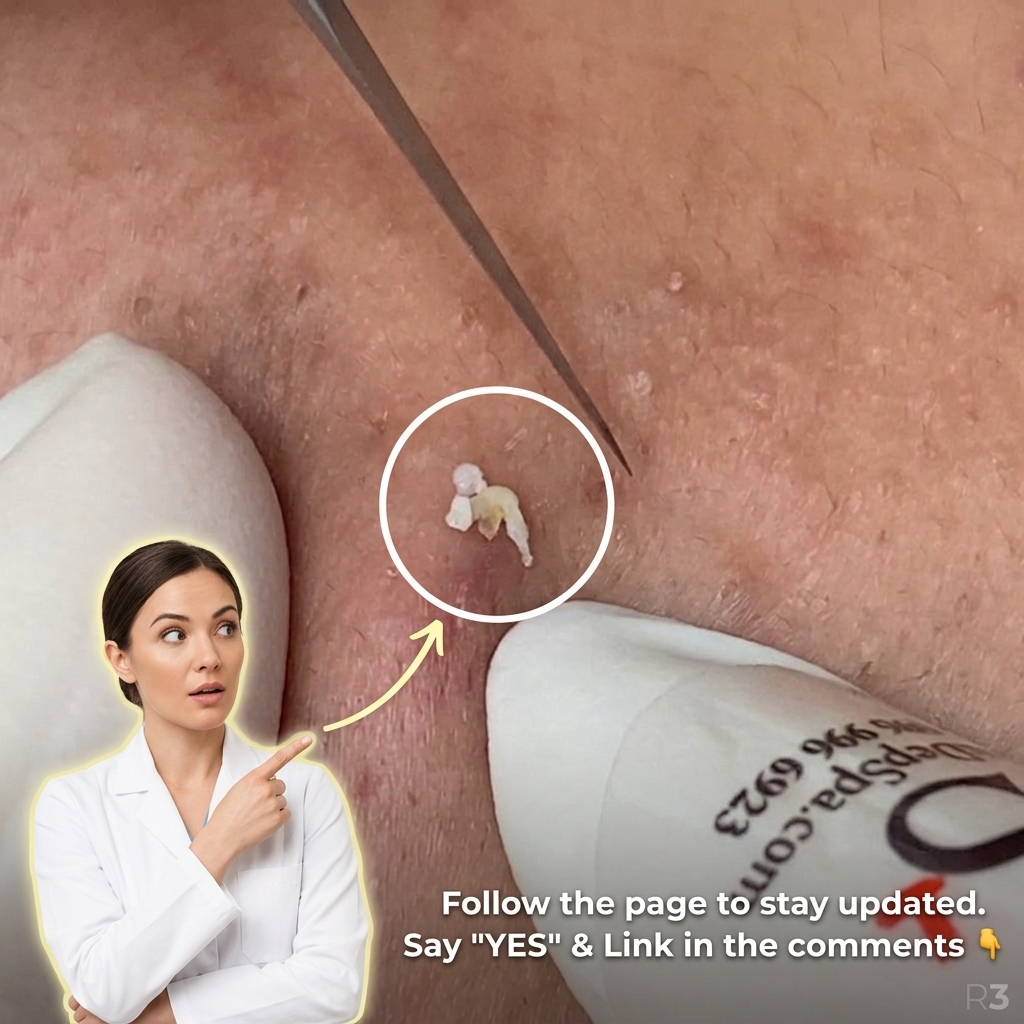
The physical expression of this cellular interaction manifests in several distinct types of lesions, commonly categorized as comedones. When the mixture of keratin and excess oil remains trapped beneath an intact surface layer of skin, it forms a closed comedone, widely recognized as a whitehead. Conversely, if the pore opening expands slightly and exposes the plug to atmospheric oxygen, the melanin and lipid components undergo oxidation, resulting in an open comedone or blackhead. If the trapped debris remains compressed and expands further, localized pressure can rupture the delicate follicle wall. This structural breach allows lipid contents and cellular debris to spill into the surrounding dermal tissue, triggering a swift immune response. Inflammatory signals draw immune cells to the site, turning an ordinary clogged pore into an inflamed papule or pustule. Consequently, managing surface oiliness is not merely an aesthetic preference, but a key factor in minimizing localized tissue irritation.
Addressing the continuous interaction between excess oil and clogged pores typically involves targeted skincare ingredients designed to restore physiological balance. Beta-hydroxy acids, such as salicylic acid, are oil-soluble compounds that can penetrate deep into lipid-rich pores to dissolve dead skin build-up and excess sebum. Additionally, topical retinoids are frequently discussed in modern dermatological literature due to their ability to regulate cell turnover and normalize keratinization within the follicle walls. By encouraging efficient cellular shedding, these agents help prevent the initial keratin matrix from forming. It is equally important to maintain the integrity of the moisture barrier during treatment; stripping the skin with overly harsh cleansers can trigger rebound oil production or cause cutaneous irritation. Selecting non-comedogenic formulations helps ensure that added hydration supports the skin barrier without further occluding vulnerable pores, establishing a more resilient cutaneous environment over time.
Long-term management of acne in oily skin types requires a sustained approach focused on prevention rather than immediate suppression. Because sebum synthesis and skin cell exfoliation are continuous biological processes, consistency in gentle daily care is essential for maintaining clear pores. Consistent hygiene, balanced hydration, and targeted active ingredients work synergistically to maintain an optimal cutaneous environment where inflammatory triggers are minimized. Furthermore, observing how environmental changes, dietary habits, and stress levels correlate with oiliness can offer useful insights into overall skin behavior. When persistent congestion or deeper inflammatory lesions occur, consulting a qualified medical professional or certified dermatologist can provide personalized guidance tailored to individual skin biology. A structured, evidence-based approach helps bridge the gap between temporary relief and durable, long-term skin health, ensuring that the complex interactions within the skin system remain harmonious and protected.
Related acne topics
- The Sub-Surface Origin of Acne: How Microcomedones Form Over Time
- Understanding Follicular Keratinization and Its Clinical Management in Acne-Prone Skin
Health information notice: This article is for general informational and educational purposes only. It is not medical advice and does not replace consultation with a licensed dermatologist or healthcare provider.
This article was generated with AI assistance and has not been individually reviewed by a medical professional. View the accompanying YouTube video.
