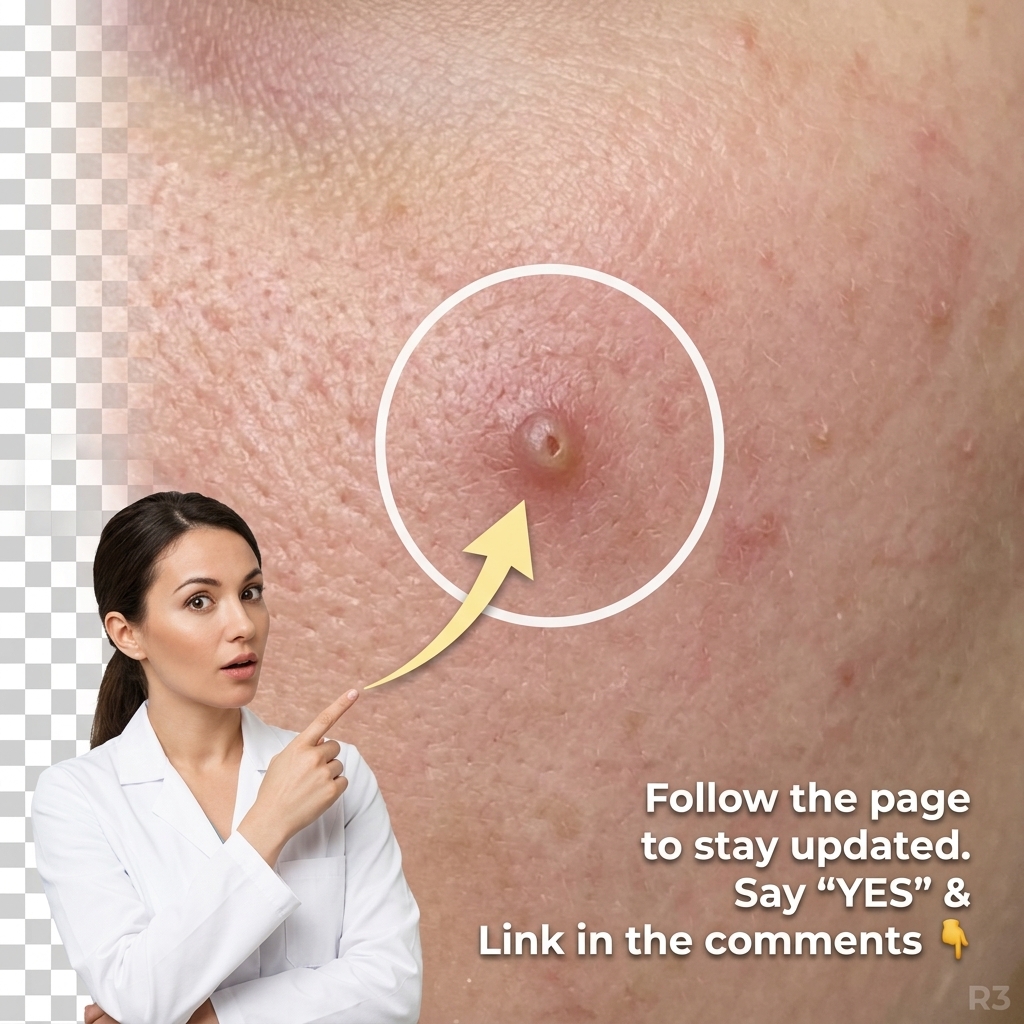
Androgens, a group of hormones that includes testosterone, play a central role in regulating the physiology of human skin, particularly through their interaction with sebaceous glands. These glands possess specific androgen receptors that, when activated by circulating or locally synthesized hormones, stimulate cellular proliferation and increase overall lipid synthesis. This process directly promotes elevated sebum production, which often manifests visibly as persistent oily skin across the face, chest, and back. When androgen levels fluctuate during developmental stages like puberty or during adult hormonal shifts, the overstimulation of these glands can significantly alter the normal lipid composition of the skin surface. As a result, excess oil accumulates within the follicular units, laying the biological groundwork for downstream inflammatory events. Understanding these hormone-driven pathways provides essential context for why many individuals experience sudden acne flare-ups during periods of hormonal transition or heightened physiological stress.
Beyond simply increasing sebum flow, elevated androgenic activity profoundly influences the cellular turnover process known as follicular keratinization. In healthy skin, dead skin cells shed smoothly from the interior lining of pores and are carried away by natural oil secretions. However, under the influence of androgen stimulation, skin cells inside the follicle adhere to one another more tightly instead of sloughing off normally. This cellular retention mixes with dense, overproduced sebum to create microscopic plugs known as microcomedones. As these blockages enlarge over time, they manifest as non-inflammatory lesions: open comedones, commonly recognized as blackheads when air oxidizes the surface pigment, and closed comedones, known as whiteheads when the pore remains covered by a thin layer of skin. This sequence demonstrates how hormonal stimulation transforms normal pore dynamics into persistent clogged pores, setting the stage for more complex dermatological challenges.
The combination of excess sebum and trapped cellular debris within blocked pores creates an ideal anaerobic environment for follicular microorganisms. Research in skin biology shows that Cutibacterium acnes, a resident bacterium of the cutaneous microbiome, thrives in these lipid-rich, oxygen-deprived conditions. As bacterial colonies multiply within the plugged follicle, they release enzymatic byproducts and lipases that break down lipids into free fatty acids. These fatty acids irritate the surrounding tissue, triggering a localized immune response that draws inflammatory cells into the area. Consequently, mild non-inflammatory comedones can escalate into painful red papules, pustules, or deeper nodular lesions. This transition illustrates that while androgens themselves do not cause bacterial infection, their primary action on sebum regulation creates the exact physiological environment required for inflammation to flourish and compromise the skin barrier.
Addressing androgen-induced breakout activity requires a multifaceted strategy focused on restoring balanced cellular turnover and suppressing localized inflammation. Topical ingredients that encourage gentle exfoliation and normalized keratinization, such as salicylic acid, can help dissolve lipid-rich blockages and clear clogged pores. Similarly, topical retinoids are widely utilized in dermatological protocols because they regulate epithelial cell shedding, preventing the initial formation of microcomedones before they progress to visible blackheads or whiteheads. Consistent use of non-comedogenic moisturizers also aids in maintaining a resilient skin barrier, which is essential for protecting against external irritants while supporting recovery. Furthermore, incorporating soothing agents can help calm redness, ensuring that the skin remains hydrated and less prone to reactive irritation during daily care routines. This balanced topical approach helps manage surface symptoms effectively, offering a practical framework for reducing the frequency and severity of inflammatory lesions associated with hormonal fluctuations.
For individuals experiencing persistent or widespread acne driven by internal hormonal fluctuations, long-term dermatological care often extends beyond basic over-the-counter topical routines. Comprehensive clinical evaluation can assist in identifying underlying systemic factors, such as endocrine variations or polycystic ovarian conditions, that contribute to ongoing sebaceous gland hyperresponsiveness. In these cases, healthcare providers may discuss targeted systemic management options designed to moderate androgen signaling or stabilize systemic hormonal cycles safely. Integrating professional medical guidance with a tailored daily skincare regimen ensures a balanced strategy that addresses both physiological triggers and surface manifestations like oily skin or recurrent breakouts. Individuals navigating severe or recalcitrant skin concerns are encouraged to consult with board-certified healthcare professionals to establish safe, personalized treatment plans that maintain long-term skin health without compromising the protective skin barrier.
Related acne topics
- Understanding the Biological Impact of Environmental Pollution on Acne-Prone Skin
- Understanding the Impact of Stress Hormones on Acne and Clinical Management Strategies
Health information notice: This article is for general informational and educational purposes only. It is not medical advice and does not replace consultation with a licensed dermatologist or healthcare provider.
This article was generated with AI assistance and has not been individually reviewed by a medical professional. View the accompanying YouTube video.