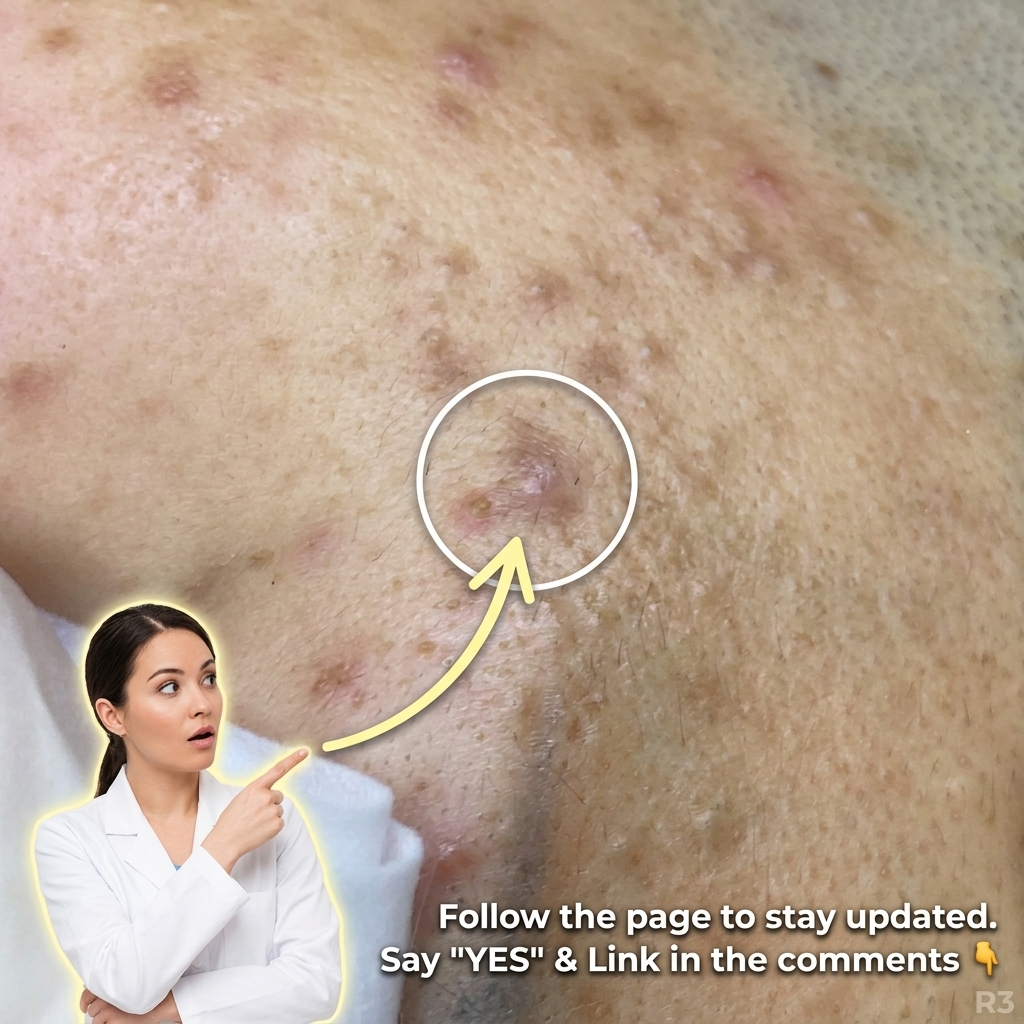
While acne is commonly perceived as an issue limited to adolescence, adult acne represents a distinct physiological condition with unique underlying mechanisms. During teenage years, elevated androgen levels typically stimulate widespread sebum production across the T-zone, resulting in classical oily skin and generalized pore blockage. In contrast, adult skin frequently exhibits localized gland sensitivity, where sebum production may not be globally elevated, but specific regions—particularly the lower jawline, chin, and neck—experience localized hyper-reactivity. Furthermore, as skin ages, natural lipid levels and hydration dynamics change, meaning adult pores often cope with altered sebum composition rather than mere volume. This shift in biological behavior explains why adult breakouts frequently appear as deeper, more persistent inflammatory lesions rather than simple superficial blemishes, requiring an understanding of how skin processes evolve across different life stages.
The contributing factors behind adult acne differ significantly from those driving adolescent breakouts, largely due to ongoing systemic and environmental influences. While teenage acne is heavily driven by puberty-related hormonal surges, adult acne is often associated with fluctuating hormones caused by stress, menstrual cycles, or lifestyle factors. Stress triggers the release of cortisol and other regulatory signals, which can alter sebum regulation and exacerbate localized follicular inflammation. Additionally, the process of keratinization—how the skin sheds dead surface cells—tends to become less efficient with age. When sluggish cell turnover combines with sticky, altered sebum, dead cells accumulate within hair follicles, directly contributing to clogged pores, stubborn blackheads, and closed whiteheads. Consequently, adult skin requires strategies that account for both fluctuating internal triggers and slowed surface renewal mechanisms.
Another critical distinction lies in the state of the skin barrier and the cutaneous microbiome over time. Adolescent skin typically boasts a resilient barrier capable of tolerating aggressive drying agents, whereas adult skin often features a more delicate moisture barrier prone to transepidermal water loss. When the skin barrier becomes compromised, inflammatory signals can increase, potentially worsening existing acne lesions. At the same time, changes in microenvironment conditions can alter the cutaneous microbiome, allowing specific strains of acne-associated bacteria to proliferate within congested follicles. This disruption can trigger deeper inflammatory responses, making lesions more tender and slow to resolve. Understanding these microbial and barrier shifts helps explain why aggressive, drying acne treatments that worked during teenage years often lead to irritation, redness, and paradoxical oil overproduction in adult complexions.
The visible effects and structural recovery processes of adult breakouts also follow a distinct biological timeline compared to younger skin. As cell turnover slows down with age, the duration required for an inflamed blemish to fully clear increases substantially. In teenage skin, micro-comedones and minor blemishes often clear rapidly due to brisk cellular renewal and abundant collagen support. Conversely, adult skin is more susceptible to lingering post-inflammatory hyperpigmentation, persistent erythema, and subtle structural changes after an inflammatory blemish subsides. Because adult dermis gradually loses structural support over time, deep-seated inflammatory acne can leave longer-lasting visual marks. Consequently, addressing adult blemishes involves managing active lesions while simultaneously protecting the surrounding tissue to support long-term recovery and preserve overall skin integrity.
Managing adult acne effectively demands a balanced approach that addresses pore congestion while respecting mature skin biology. Research suggests that gentle exfoliants like salicylic acid can assist in dissolving debris within clogged pores without stripping essential lipids, while topical retinoids are frequently discussed in the context of long-term skin health for their ability to encourage balanced keratinization and improve overall texture. Rather than relying on harsh astringents that compromise the skin barrier, modern dermatological literature emphasizes hydrating, non-comedogenic formulations that maintain barrier function while soothing localized inflammation. By combining targeted ingredients that regulate sebum dynamics with supportive moisturizing agents, it is possible to address persistent whiteheads, blackheads, and inflammatory spots while maintaining a healthy, resilient skin barrier over the long term.
Related acne topics
- Understanding the Biological Link Between Androgens and Acne Flare-Ups
- Understanding the Biological Impact of Environmental Pollution on Acne-Prone Skin
Health information notice: This article is for general informational and educational purposes only. It is not medical advice and does not replace consultation with a licensed dermatologist or healthcare provider.
This article was generated with AI assistance and has not been individually reviewed by a medical professional. View the accompanying YouTube video.