Environmental pollutants, such as airborne particulate matter, nitrogen dioxide, and ground-level ozone, interact constantly with the outermost layer of the skin. Research suggests that these microscopic particles can adhere to the stratum corneum, generating reactive oxygen species that induce significant oxidative stress. When exposed to persistent environmental stressors, the protective skin barrier can become compromised, reducing its capacity to retain moisture and defend against external irritants. Furthermore, ozone and fine dust particles are known to react directly with surface lipids, particularly squalene, which is a major component of human sebum. This oxidative degradation alters the normal composition of natural oils, initiating a cascade of biochemical changes that can trigger heightened sensitivity. As the skin attempts to counter this oxidative damage, cellular stress responses are activated, setting the stage for subsequent structural and functional alterations within the follicular unit.
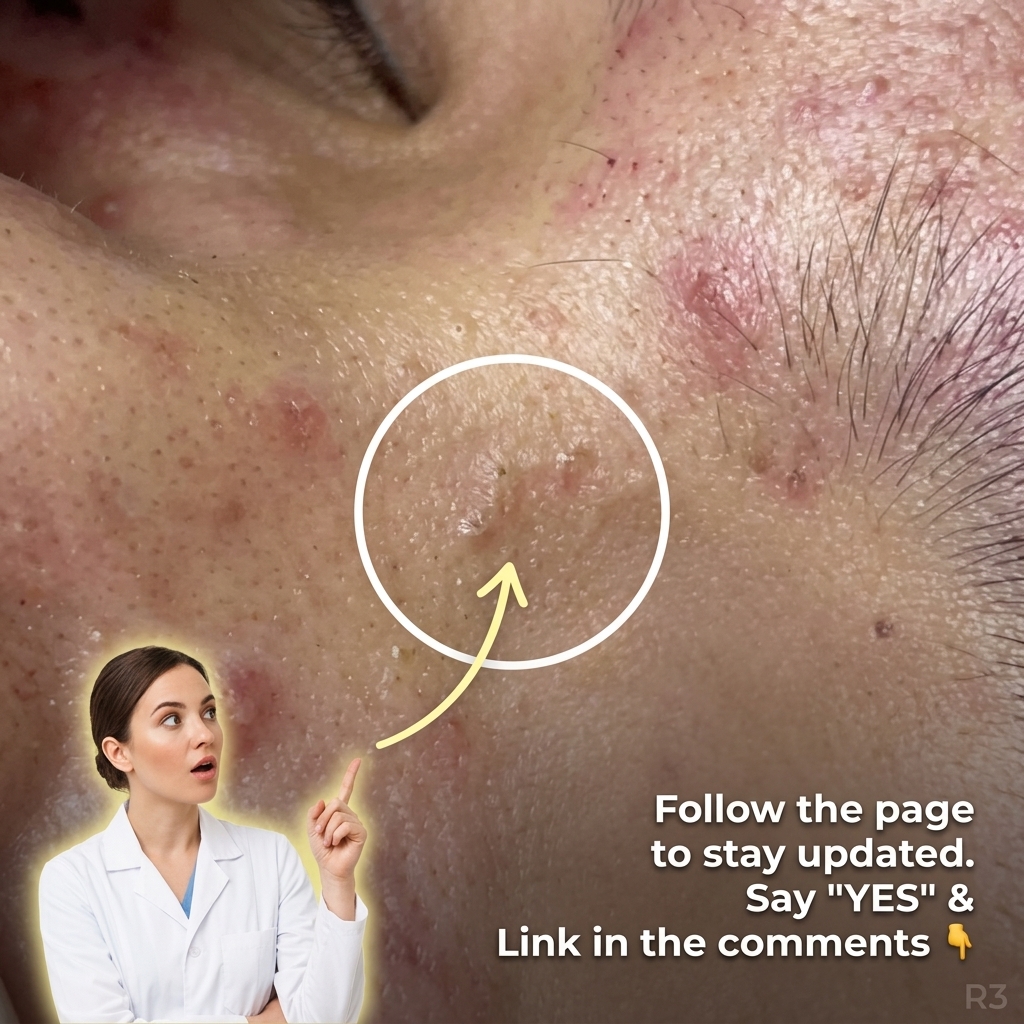
The alteration of surface lipids plays a crucial role in the development of inflammatory acne and non-inflammatory lesions alike. When squalene becomes oxidized due to pollutant exposure, its chemical structure changes, making sebum significantly thicker and more comedogenic. This altered oil, combined with perturbed sebum regulation, creates an environment prone to follicular obstruction. Simultaneously, oxidative stress can disrupt normal keratinization, the natural process by which dead skin cells are shed from the lining of the hair follicle. Instead of shedding smoothly, keratinocytes tend to stick together, accumulating alongside viscous oil to form microscopic plugs. As these plugs expand within the hair follicles, they form visible clogged pores, which present clinically as open comedones, commonly known as blackheads, or closed comedones, frequently referred to as whiteheads.
Beyond physical blockage, environmental pollution significantly influences inflammatory pathways and the delicate balance of the cutaneous microenvironment. Particle-bound toxins can activate intracellular signaling cascades, such as the release of pro-inflammatory cytokines, which recruit immune cells to the affected follicle. This inflammatory response is further amplified when the skin microbiome undergoes compositional shifts. The anaerobic bacterium Cutibacterium acnes thrives within oxygen-depleted, oil-rich clogged pores, utilizing oxidized sebum components as a nutrient source. As the micro-organism proliferates, it secretes inflammatory enzymes that further breakdown lipids into free fatty acids, irritating the surrounding tissue. Consequently, what began as a subtle biochemical imbalance can evolve into prominent inflammatory breakouts, including erythematous papules, pustules, and deep-seated nodules that impair skin recovery.
Addressing pollution-induced skin changes requires a multifaceted approach focused on cleansing, protection, and target-driven topical ingredients. Daily cleansing with a gentle, non-stripping cleanser helps remove surface particulate matter and excess oily skin buildup without stripping essential moisture. To counteract oxidative damage, topical antioxidants such as vitamin C, ferulic acid, and niacinamide are commonly recommended, as they neutralize free radicals before lipid oxidation occurs. Additionally, chemical exfoliants containing beta-hydroxy acids, such as salicylic acid, can penetrate deep into pores to dissolve trapped sebum and clear cellular debris. Incorporating barrier-supporting ingredients like ceramides and hyaluronic acid helps fortify the skin barrier, reducing transepidermal water loss and preventing secondary irritation caused by ambient toxins.
For long-term management of pollution-exacerbated acne, establishing a consistent daily regimen supported by sound dermatological principles is vital. Broad-spectrum sunscreen plays a crucial role, as ultraviolet radiation acts synergistically with airborne pollutants to compound oxidative stress and inflammation. Ingredients like retinoids are often discussed in the context of long-term acne management because they promote cellular turnover, regulate abnormal keratinization, and prevent the formation of new comedones. While over-the-counter routines offer substantial protective benefits, individuals experiencing persistent or severe inflammatory acne may benefit from consulting a certified healthcare professional or dermatologist. A tailored evaluation allows for personalized adjustments, ensuring that skin barrier integrity is preserved while targeted therapies work effectively to minimize environmental damage over time.
Related acne topics
- Understanding the Impact of Stress Hormones on Acne and Clinical Management Strategies
- Understanding Hormonal Sebum Production and Synergistic Skincare Ingredient Interactions
Health information notice: This article is for general informational and educational purposes only. It is not medical advice and does not replace consultation with a licensed dermatologist or healthcare provider.
This article was generated with AI assistance and has not been individually reviewed by a medical professional. View the accompanying YouTube video.