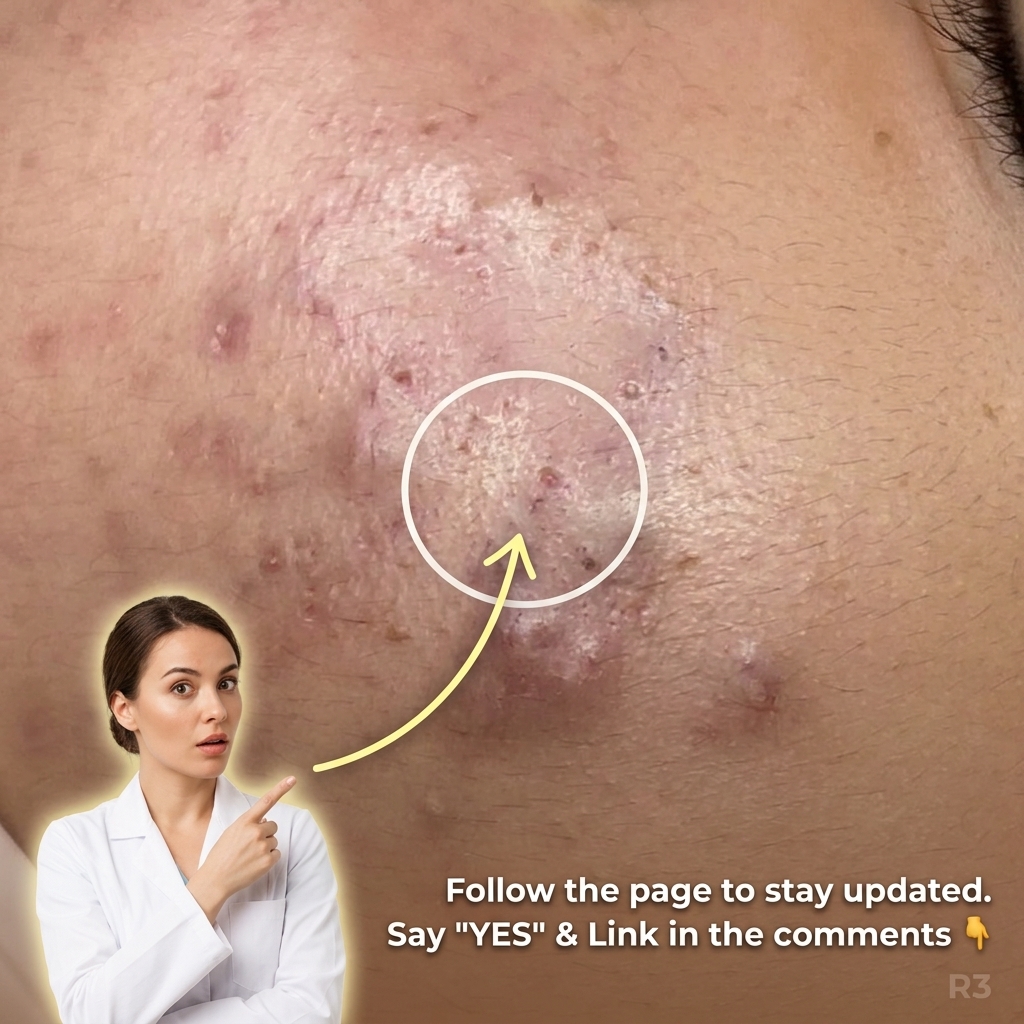
The biological relationship between psychological stress and cutaneous health is mediated significantly through neuroendocrine signaling pathways. When the human body experiences stress, the hypothalamic-pituitary-adrenal axis triggers the release of systemic hormones, most notably cortisol and adrenal androgenic precursors. The cutaneous sebaceous glands possess functional receptors for these hormones, meaning elevated systemic stress levels directly influence local cellular activity within the skin. Specifically, these hormonal signals stimulate sebocytes to accelerate lipid production, leading to increased surface oiliness and alterations in sebum composition. Concurrently, stress hormones can impair the delicate epidermal skin barrier, rendering the cutaneous environment more vulnerable to irritation and disrupted desquamation. As stress levels remain chronically elevated, this neuroendocrine mechanism establishes an environment highly conducive to ongoing follicular blockage and persistent acne formation across susceptible facial and bodily regions.
At the micro-anatomical level, excess lipid production induced by systemic hormonal fluctuations interacts directly with the follicular epithelium. Under standard physiological conditions, dead skin cells undergo an orderly sloughing process known as desquamation. However, under the influence of elevated cortisol and inflammatory cytokines, the process of keratinization becomes altered and hyperactive. Intrafollicular keratinocytes aggregate prematurely and adhere to dense, viscous sebum, forming microcomedones within the pores. These microscopic impactions prevent normal oxygen diffusion and trap cellular debris deep inside the pilosebaceous unit. As keratinized debris continues to accumulate, the pore expands outward, giving rise to visible comedonal lesions such as open blackheads and closed whiteheads. The transition from microscopic pore congestion to visible acne lesions highlights how systemic hormonal triggers systematically alter fundamental epidermal turnover and lipid dynamics.
Beyond mechanical ductal blockage, hormonal stress pathways significantly influence the local cutaneous microbiome and inflammatory cascades. Within oxygen-deprived clogged pores, anaerobic microorganisms like Cutibacterium acnes proliferate rapidly using excess sebum lipids as a primary substrate for growth. The metabolic byproducts of these bacteria, combined with local cellular stress responses, activate immune signaling cascades within the dermal tissue. Consequently, quiescent microcomedones often evolve into red papules, pustules, or deeper inflammatory nodules that characterize moderate to severe acne outbreaks. The presence of continuous emotional or physical stress can impair endogenous anti-inflammatory mechanisms, prolonging lesion recovery times and increasing the risk of post-inflammatory hyperpigmentation or localized scarring. Managing stress-mediated acne therefore requires addressing both the internal neuroendocrine triggers and the cascading inflammatory responses visible on the skin surface.
In clinical management, addressing stress-related skin changes involves a structured, step-wise pathway that targets both surface symptoms and underlying biological drivers. Topical therapies often serve as a frontline intervention to manage follicular hyperkeratosis and bacterial proliferation. For example, ingredients like salicylic acid assist in dissolving lipophilic debris within clogged pores, while benzoyl peroxide targets microbial populations and suppresses localized inflammation. Additionally, topical retinoids are frequently incorporated into comprehensive acne management regimens because they normalize keratinization, enhance cell turnover, and help prevent new microcomedones from initiating. When dealing with stress-induced exacerbations, dermatological protocols typically emphasize gentle, barrier-supportive formulations to counteract cortisol-induced skin fragility, ensuring that active treatments effectively clear oily skin without inducing excessive scaling, burning, or compromised barrier integrity.
Long-term management of stress-associated acne often requires a holistic clinical strategy that pairs targeted topical interventions with lifestyle and systemic evaluation. When localized therapies yield incomplete responses during periods of prolonged distress, clinicians may evaluate broader neuroendocrine inputs, systemic therapies, or advanced dermatological procedures. Maintaining long-term skin health relies heavily on supporting the skin barrier through appropriate non-comedogenic hydration and mild cleansing routines. Concurrently, incorporating evidence-based stress-mitigation techniques—such as adequate sleep hygiene, balanced nutrition, and structured mindfulness—can help moderate systemic stress response pathways. By systematically combining disciplined topical management, professional dermatological oversight, and proactive stress-reduction techniques, individuals can better navigate the complex relationship between systemic hormone fluctuations and persistent acne flare-ups.
Related acne topics
- Understanding the Biological Mechanisms of Pubertal Acne and Skin System Dynamics
- Understanding the Biological Distinctions Between Blackheads and Whiteheads
Health information notice: This article is for general informational and educational purposes only. It is not medical advice and does not replace consultation with a licensed dermatologist or healthcare provider.
This article was generated with AI assistance and has not been individually reviewed by a medical professional. View the accompanying YouTube video.
