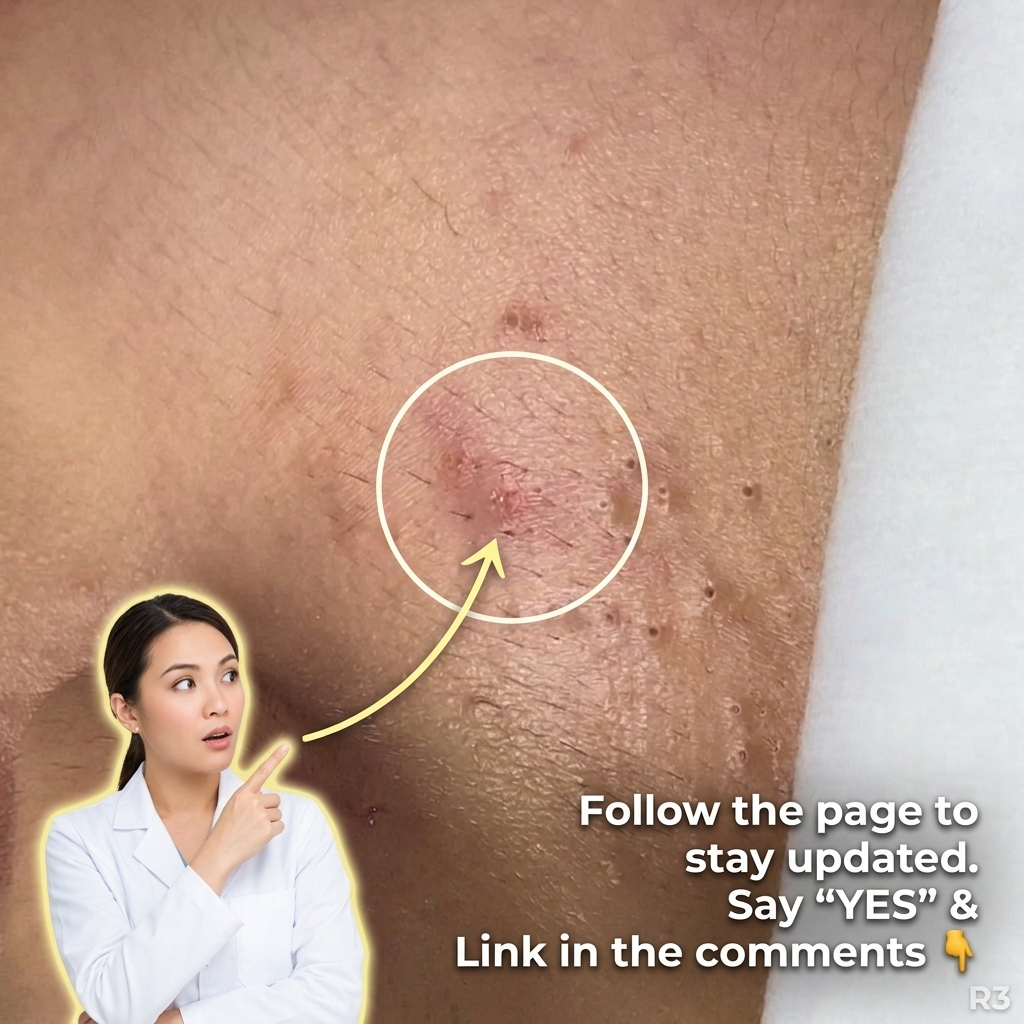
The skin on the forehead exists in continuous proximity to the hairline, scalp, and hair shafts, making it uniquely vulnerable to external exposures. When hair products containing heavy oils, waxes, or silicones are applied, they can easily migrate down onto the forehead through sweat, gravity, or mechanical friction. This physical transfer introduces highly occlusive agents to an area already rich in sebaceous glands. Under normal circumstances, these glands produce natural oils to lubricate the skin barrier and support healthy epidermal function. However, when dense cosmetic formulations layer over the skin surface, they trap desquamated skin cells and natural lipids within the hair follicles. This physical blockage disrupts delicate physiological balance, creating an environment where microcomedones can rapidly form, laying the groundwork for persistent forehead breakouts commonly referred to as acne cosmetica.
The development of non-inflammatory and inflammatory lesions along the hairline and upper face often traces back to altered keratinization. Normally, dead epidermal cells shed seamlessly through a process called desquamation. However, when comedogenic ingredients found in pomades, conditioners, and hair styling gels mix with natural follicular lipids, the shedding process slows down significantly. This mixture causes sticky keratinocytes to clump together, effectively plugging the upper hair follicle. As sebum continues to accumulate beneath this barrier, the follicle swells, leading to visible comedones such as open blackheads or closed whiteheads. The presence of these heavy hair formulations can also alter local skin surface hydration levels, triggering compensatory oily skin patterns that further exacerbate the frequency of clogged pores along the upper face.
Beyond simple mechanical occlusion, the interaction between hair products and the cutaneous ecosystem can trigger localized inflammatory cascades. Deep within the oxygen-deprived environment of a blocked pore, Cutibacterium acnes, a resident component of the skin microbiome, proliferates rapidly. This microbial activity breaks down accumulated lipids into free fatty acids, which irritate the surrounding follicular epithelium. Consequently, initial non-inflammatory whiteheads and blackheads can evolve into red papules or pustules. The localized microenvironment becomes compromised, often weakening the native skin barrier and rendering the forehead more reactive to environmental friction, sweat, and ambient heat. Recognizing how external styling residues interact with native microflora helps clarify why acne in this region often persists despite standard facial cleansing routines.
Addressing product-induced forehead acne requires strategies aimed at clearing follicular debris and restoring balanced keratinization. Topical exfoliants, such as beta-hydroxy acids like salicylic acid, are particularly useful because their lipid-soluble nature allows them to penetrate deeply into oil-filled pores. By dissolving the intercellular material binding dead keratinocytes, salicylic acid helps clear stuck debris and supports steady sebum regulation. Additionally, incorporating topical retinoids into a skin care routine can help normalize cellular turnover within the hair follicle, reducing the likelihood of future comedone formation. When adopting these ingredients, maintaining a cautious approach is critical to prevent disrupting the surrounding skin barrier, which could otherwise lead to secondary irritation and compensatory overproduction of natural oils.
Long-term management of hairline and forehead breakouts relies on combining targeted topical care with intentional product choices. Choosing hair formulations explicitly labeled as non-comedogenic or oil-free significantly reduces the risk of pore-clogging residues transferring onto the face. Additionally, modifying application techniques—such as applying styling products primarily to the ends of the hair or using physical shields during spray application—can minimize direct contact with the upper face. Establishing a consistent evening cleansing routine ensures that any accidental residue from hair care, environmental pollutants, or sweat is removed before sleeping. Consultations with qualified dermatology professionals can provide individualized guidance for severe or recalcitrant cases, helping individuals navigate effective options while preserving long-term skin health.
Related acne topics
- Understanding the Impact of Occlusive Skincare Products on Pore Congestion and Long-Term Skin Dynamics
- Understanding How Climate Shifts Impact Long-Term Sebum Dynamics and Breakouts
Health information notice: This article is for general informational and educational purposes only. It is not medical advice and does not replace consultation with a licensed dermatologist or healthcare provider.
This article was generated with AI assistance and has not been individually reviewed by a medical professional. View the accompanying YouTube video.