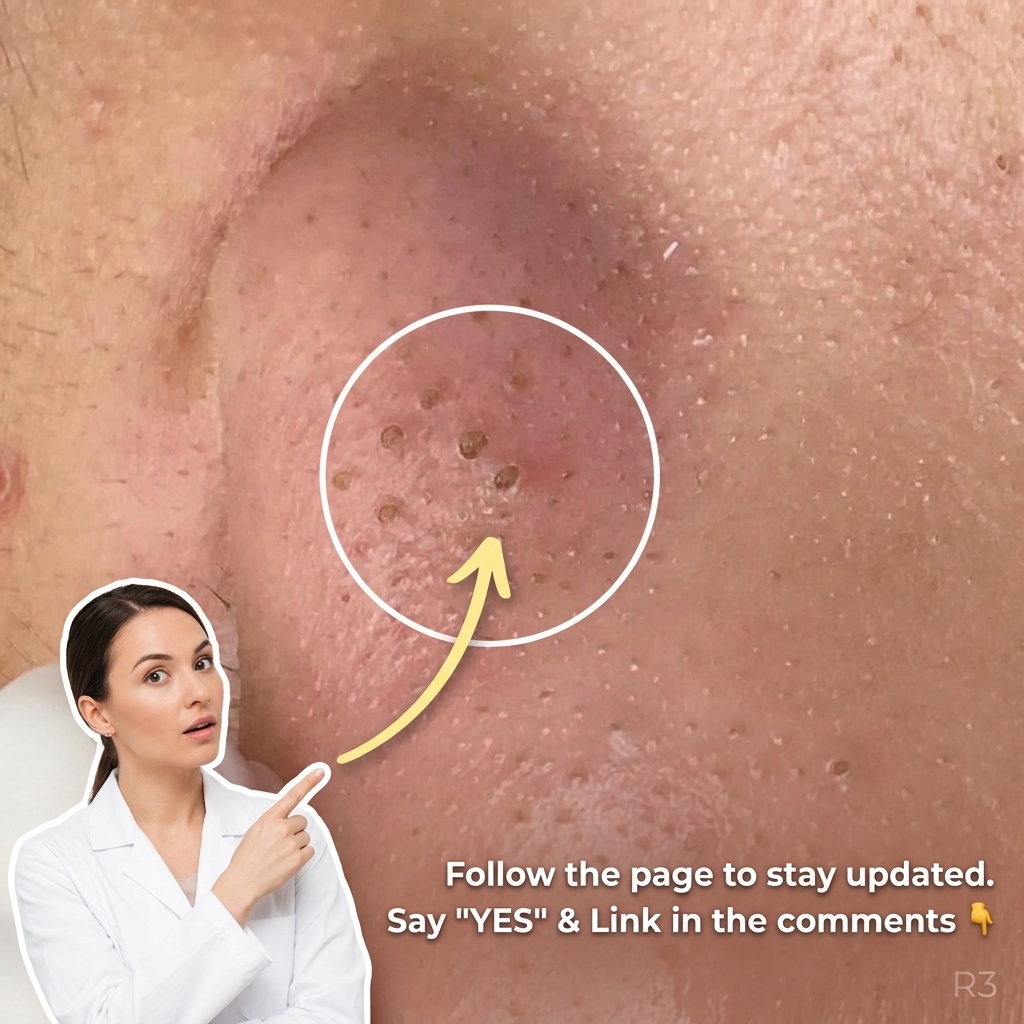
The human skin operates as an interconnected ecosystem where surface hygiene directly influences underlying physiological functions. When daily cleansing is inadequate or skipped entirely, environmental pollutants, sunscreen residues, sweat, and makeup accumulate on the stratum corneum alongside natural lipids. This surface buildup interacts directly with natural sebum regulation, preventing the proper shedding of dead skin cells through the natural process of keratinization. As cellular debris mixes with sticky sebum, the follicular openings become obstructed, leading directly to clogged pores. Over time, these blockages create a microenvironment depleted of oxygen within the follicle, which encourages the proliferation of opportunistic bacteria such as Cutibacterium acnes. Consequently, what begins as simple surface neglect rapidly escalates into a complex cascade of metabolic disruption beneath the surface of the skin, highlighting how closely external habits and internal cutaneous dynamics are linked.
When sebum and dead skin cells remain trapped inside the follicular structure due to sub-optimal washing routines, distinct visible lesions begin to manifest on the surface. In open comedones, commonly known as blackheads, the trapped mixture of lipids and keratin remains exposed to ambient air, undergoing oxidation that darkens the material. Conversely, when the pore opening remains fully covered by superficial dead skin cells, closed comedones—frequently referred to as whiteheads—form as small, pale bumps under the surface. Individuals with naturally oily skin may notice an intensified shine as pooled lipids spread unevenly across an unrefined cutaneous surface. Without consistent, gentle removal of daily residue, these non-inflammatory lesions can gradually expand, creating visible textural irregularities and setting the stage for localized micro-inflammation that destabilizes overall skin texture and clarity.
The relationship between cleansing habits and breakout development extends beyond mere pore blockage to involve the delicate balance of the skin barrier and cutaneous microbiome. While under-cleansing allows microbial overgrowth and lipid peroxidation, using excessively harsh techniques or stripping cleansers can be equally detrimental. Disrupting the delicate acid mantle compromises the structural integrity of the epidermal barrier, leading to transepidermal water loss and increased vulnerability to external irritants. When the skin barrier becomes compromised, the immune system responds by triggering localized inflammation, which transforms mild comedones into painful, red papules or pustules. Research suggests that maintaining a balanced cutaneous microbiome relies heavily on gentle hygiene practices that respect the natural lipid bilayer while effectively removing excess debris, demonstrating that skin health requires a measured, balanced approach to daily cleansing.
Addressing breakouts associated with improper cleansing routines requires targeted topical strategies that restore balance without causing mechanical or chemical irritation. Formulations containing beta-hydroxy acids, particularly salicylic acid, are commonly utilized because their lipid-soluble nature allows them to penetrate deeply into oil-filled pores to dissolve trapped keratin and sebum. Additionally, daily double-cleansing methods using mild oil-based cleansers followed by water-based formulas may help break down lipophilic residues like long-wear makeup and water-resistant sunscreens effectively. Incorporating topical retinoids into a long-term care routine is another widely recognized approach, as these vitamin A derivatives help normalize cellular turnover and prevent microcomedone formation. By selecting non-comedogenic, pH-balanced products, individuals can target follicular blockages while supporting the structural integrity of the skin layer.
Establishing a consistent and mindful cleansing routine serves as a foundational pillar for long-term acne management and overall skin resilience. Dermatological literature emphasizes that effective cleansing is not about aggressively scrubbing the face, but rather about supporting the skin's biological self-clearing mechanisms through patient, everyday maintenance. Tailoring hygiene habits to individual skin types, environmental conditions, and lifestyle factors can prevent the cyclic recurrence of inflammatory breakouts. When persistent comedones or inflammatory acne fail to respond to optimized daily care, seeking guidance from a board-certified dermatologist remains the most reliable path forward. Professional evaluations can help differentiate between surface-driven congestion and deeper hormonal or systemic factors, ensuring that therapeutic interventions remain both safe and appropriate for individual cutaneous needs.
Related acne topics
- Understanding Forehead Breakouts: How Hair Care Products Interact with the Skin Barrier
- Understanding How Climate Shifts Impact Long-Term Sebum Dynamics and Breakouts
Health information notice: This article is for general informational and educational purposes only. It is not medical advice and does not replace consultation with a licensed dermatologist or healthcare provider.
This article was generated with AI assistance and has not been individually reviewed by a medical professional. View the accompanying YouTube video.
