The stratum corneum, often referred to as the outermost protective layer of the skin, operates as a complex biological system composed of skin cells and lipids that safeguard against environmental stressors while retaining essential moisture. When individuals cleanse their face excessively or use harsh surfactants, they risk stripping away natural skin lipids, such as ceramides, cholesterol, and fatty acids. This physical and chemical disruption compromises the integrity of the epidermal barrier, altering the delicate balance of the skin microbiome. Research suggests that a depleted skin barrier enables external irritants and opportunistic micro-organisms to penetrate deeper into the epidermis, triggering localized inflammatory responses. Rather than removing impurities effectively, aggressive cleansing can weaken the structural defense mechanisms of the skin. Consequently, understanding the intricate relationship between surface cleansing practices and epidermal barrier function is critical for maintaining healthy, resilient tissue and preventing chronic cutaneous irritation.
A common physiological response to over-cleansing involves the compensatory hypersecretion of sebum by the sebaceous glands. When surface moisture and lipids are aggressively stripped away, the skin receives signals indicating dryness, which frequently prompts these glands to produce excess sebum as an emergency protective measure. This process can quickly result in rebound oily skin, creating an ideal environment for follicular blockages. As excess sebum mixes with sloughed-off dead skin cells, the normal process of keratinization becomes disrupted within the pilosebaceous unit. This cellular buildup can lead to clogged pores, which ultimately form the precursors to inflammatory lesions. When non-inflammatory comedones like blackheads and whiteheads become congested with debris and oxidized lipids, the likelihood of microcomedones escalating into full-scale acne eruptions increases significantly. Thus, trying to eliminate oil completely often destabilizes natural sebum regulation.
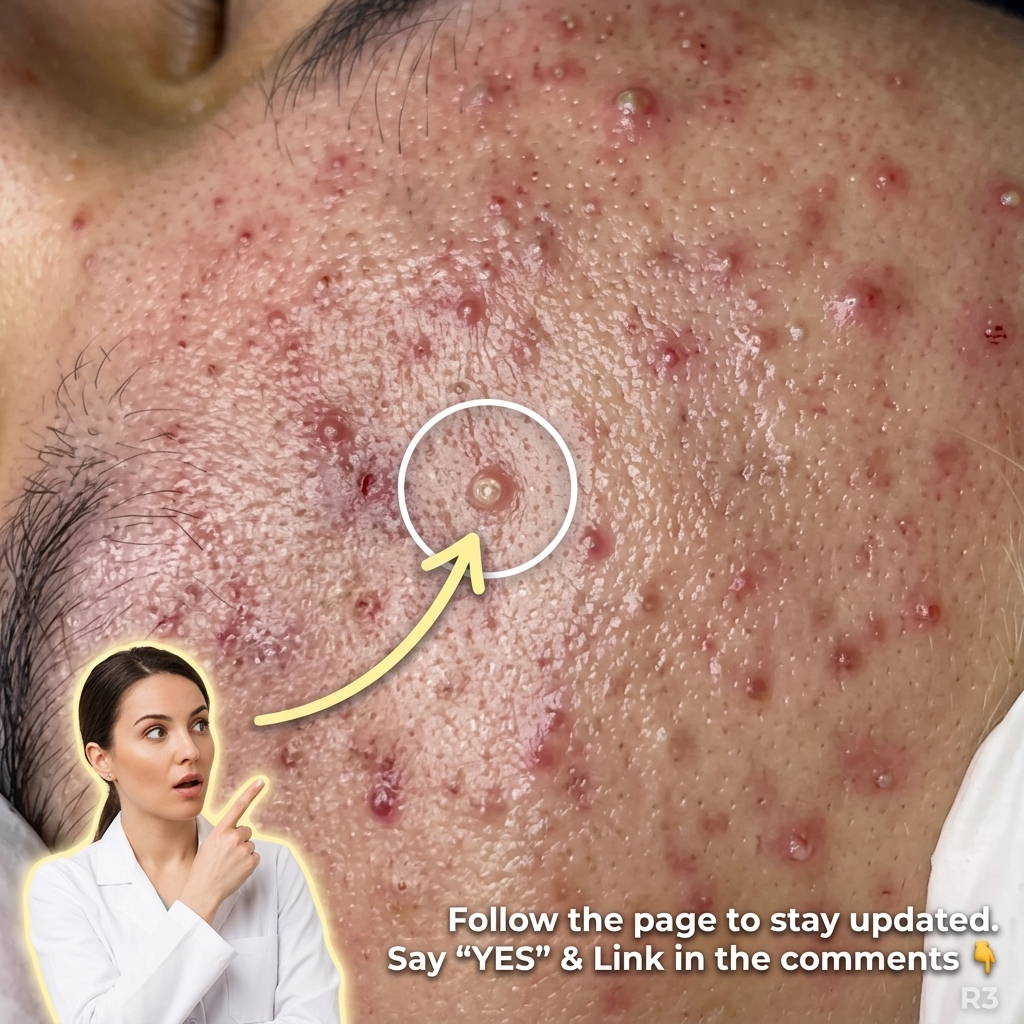
The visible consequences of barrier breakdown extend far beyond simple flakiness or tightness. When the protective mantle is repeatedly stripped, the skin loses its capacity to regulate internal hydration, leading to a paradox where the tissue feels both dehydrated and visibly greasy. The influx of bacterial organisms, combined with trapped cellular debris, triggers immune signals that cause localized tissue redness and swelling. This inflammatory cascade can transform standard congested pores into painful papules, pustules, and deeper inflammatory nodules. In professional skincare environments where manual extractions are performed, working on barrier-compromised or inflamed tissue can lead to increased vascular reactivity, post-inflammatory hyperpigmentation, and prolonged recovery times. According to dermatological literature, supporting the barrier is crucial because inflamed, dehydrated skin is far more vulnerable to secondary bacterial colonization and persistent lesions than properly hydrated, balanced tissue.
Addressing damaged skin requires a shifted focus from aggressive removal to gentle restoration and support. Replacing harsh, drying cleansers with mild, non-comedogenic formulas that preserve essential lipids can significantly reduce friction and transepidermal water loss. Topically applying formulations containing ceramides, niacinamide, and hyaluronic acid may help repair the structural matrix of the skin barrier while restoring optimal hydration levels. When managing acne alongside barrier dysfunction, introducing mild active ingredients cautiously is essential. For instance, topical therapies such as retinoids are often discussed in the context of cellular turnover and long-term acne management, but they must be balanced with adequate barrier repair to avoid compounding dryness and irritation. Utilizing soothing, non-comedogenic moisturizers alongside targeted treatments helps maintain an environment where skin cells can undergo proper desquamation without provoking further inflammation or follicular congestion.
Long-term dermatological health relies on establishing a balanced daily care routine that respects the natural equilibrium of the skin system. Over-treating the skin through frequent washing, physical scrubbing, or stacking multiple drying agents ultimately undermines the cellular mechanisms that keep pores clear. By adopting a cautious, evidence-based strategy that prioritizes barrier integrity alongside gentle pore maintenance, individuals can effectively minimize the occurrence of blackheads, whiteheads, and inflammatory acne. If persistent breakouts or persistent irritation continue despite conservative adjustments, seeking guidance from a board-certified dermatologist is recommended. Professional evaluation allows for tailored interventions that account for individual variations in sebum production, skin sensitivity, and barrier function. Cultivating patience and supporting the skin’s natural repair mechanisms remains the most effective path toward achieving clear, healthy, and resilient skin over time.
Related acne topics
- How Inadequate Cleansing Disrupts Skin Physiology and Triggers Breakouts
- Understanding the Role of Skin Barrier Dysfunction in Long-Term Acne Dynamics
Health information notice: This article is for general informational and educational purposes only. It is not medical advice and does not replace consultation with a licensed dermatologist or healthcare provider.
This article was generated with AI assistance and has not been individually reviewed by a medical professional. View the accompanying YouTube video.