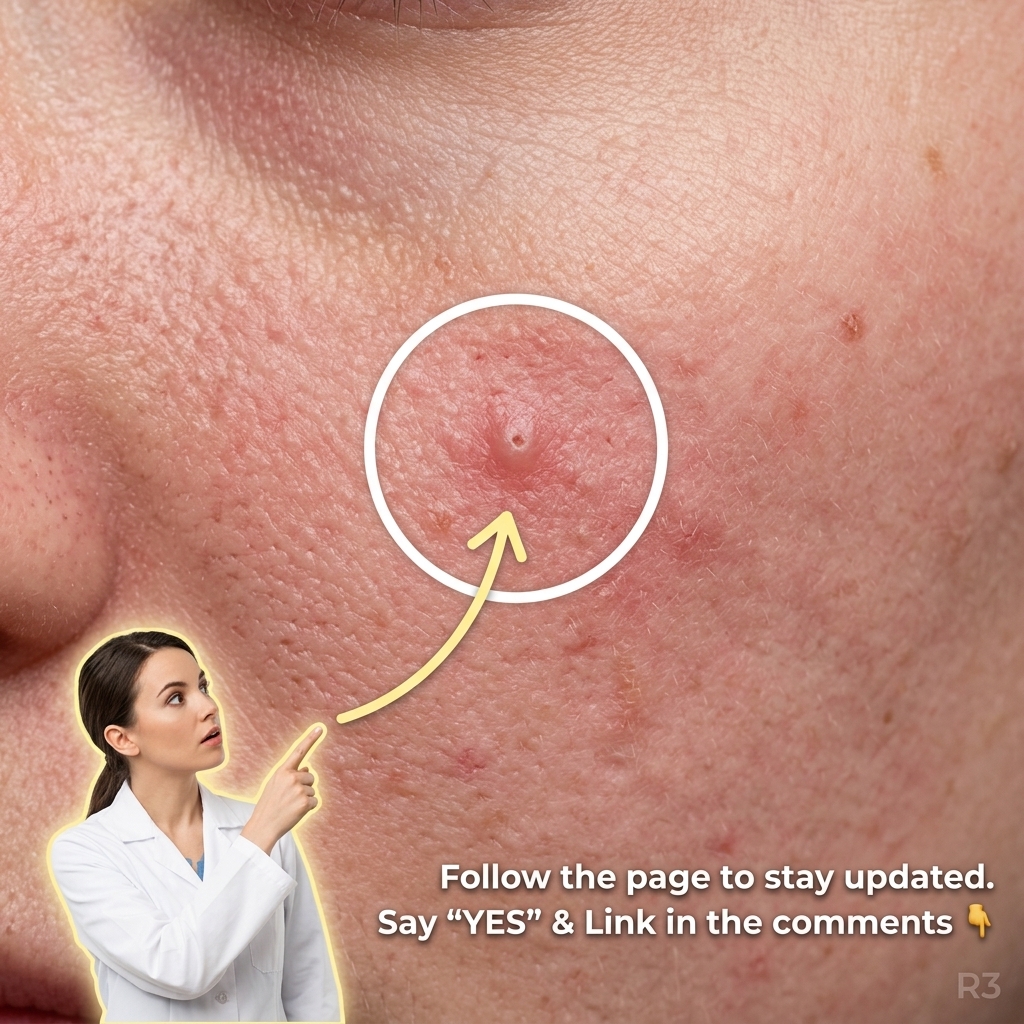
Understanding the biological mechanisms of skin tissue repair reveals why post-acne marks and true acne scars are fundamentally distinct outcomes. When an excess of sebum regulation issues and abnormal keratinization lead to clogged pores, whiteheads and blackheads can quickly develop into deeper inflammatory acne. The skin system responds to this internal stress by deploying immune cells to neutralize bacteria within the hair follicle. The difference between temporary marks and permanent scars depends on which skin layer sustains damage. Post-acne marks, such as post-inflammatory hyperpigmentation or erythema, represent localized changes in pigment distribution or microvascular expansion following inflammation without structural tissue loss. In contrast, actual acne scars result from structural damage to the dermal extracellular matrix, where the loss or overproduction of collagen alters the permanent texture of the skin surface.
The development of visible post-acne skin changes involves a complex interaction between the epidermal barrier, dermal connective tissue, and the local skin microbiome. In individuals with naturally oily skin, excessive lipid production creates an environment where acne-causing bacteria flourish, heightening the risk of intense inflammatory events. When inflammation breaches the follicular wall, chemical signals alert nearby melanocytes and blood vessels, often leaving behind red, purple, or dark spots even after the active lesion resolves. However, when inflammatory enzymes degrade structural proteins like collagen and elastin within the deeper dermis, the skin's natural healing response may be compromised. If the tissue repair process generates insufficient collagen, depressed indentations form on the surface, whereas an overproduction of dense scar tissue leads to raised, hypertrophic formations.
Distinguishing between visual discoloration and structural skin changes is essential for evaluating post-acne skin behavior. Post-acne marks are smooth, flat discolorations that leave the surrounding tissue elevation intact, making them purely optical changes on the skin surface. These marks may range from pink or deep red to dark brown, depending on an individual's baseline skin tone and the depth of vascular or pigment involvement. Because the epidermal layer undergoes continuous self-renewal, surface pigment gradually disperses as new keratinocytes migrate upward over several weeks or months. True acne scars, on the other hand, represent permanent alterations in skin topography. Atrophic scars present as visible pits, box-like depressions, or rolling waves, reflecting a loss of underlying structural support, while hypertrophic scars form raised patches that resist typical epidermal turnover.
Formulating an effective approach to managing these skin concerns depends on targeting the specific biological mechanisms responsible for either pigmentation or structural loss. For flat post-acne marks, topical ingredients that regulate melanocyte activity and accelerate cellular turnover are frequently utilized. This is why ingredients like retinoids are often discussed in the context of long-term acne management, as they help normalize keratinization inside pores while promoting uniform shedding of surface cells. Gentle exfoliating acids can also assist in loosening pigmented epidermal cells to speed up fading. Additionally, daily broad-spectrum sun protection is critical, as exposure to ultraviolet light can trigger melanocytes and darken existing spots. Textural acne scars, by comparison, generally require professional modalities that penetrate the dermis to stimulate collagen remodeling, such as microneedling or energy-based therapies.
Long-term skin health requires a comprehensive strategy aimed at reducing active inflammation and supporting overall skin barrier integrity. Minimizing the formation of clogged pores, blackheads, and deeper papules decreases the frequency of both textural scarring and lingering post-inflammatory hyperpigmentation. Avoiding the urge to squeeze or pick at active lesions is paramount, as mechanical trauma forces inflammatory debris deeper into the dermal matrix, increasing the risk of structural collagen damage and localized pigment accumulation. Maintaining a balanced routine that supports sebum regulation, preserves the skin barrier, and respects the native microbiome establishes a resilient environment for tissue recovery. Consulting a qualified professional can help clarify individual skin responses and guide the selection of appropriate, evidence-based care strategies tailored to specific skin dynamics.
Related acne topics
- Understanding the Cellular Link Between Acne Lesions and Post-Inflammatory Hyperpigmentation
- Clinical Approaches to Distinguishing and Managing Comedonal and Inflammatory Acne
Health information notice: This article is for general informational and educational purposes only. It is not medical advice and does not replace consultation with a licensed dermatologist or healthcare provider.
This article was generated with AI assistance and has not been individually reviewed by a medical professional. View the accompanying YouTube video.