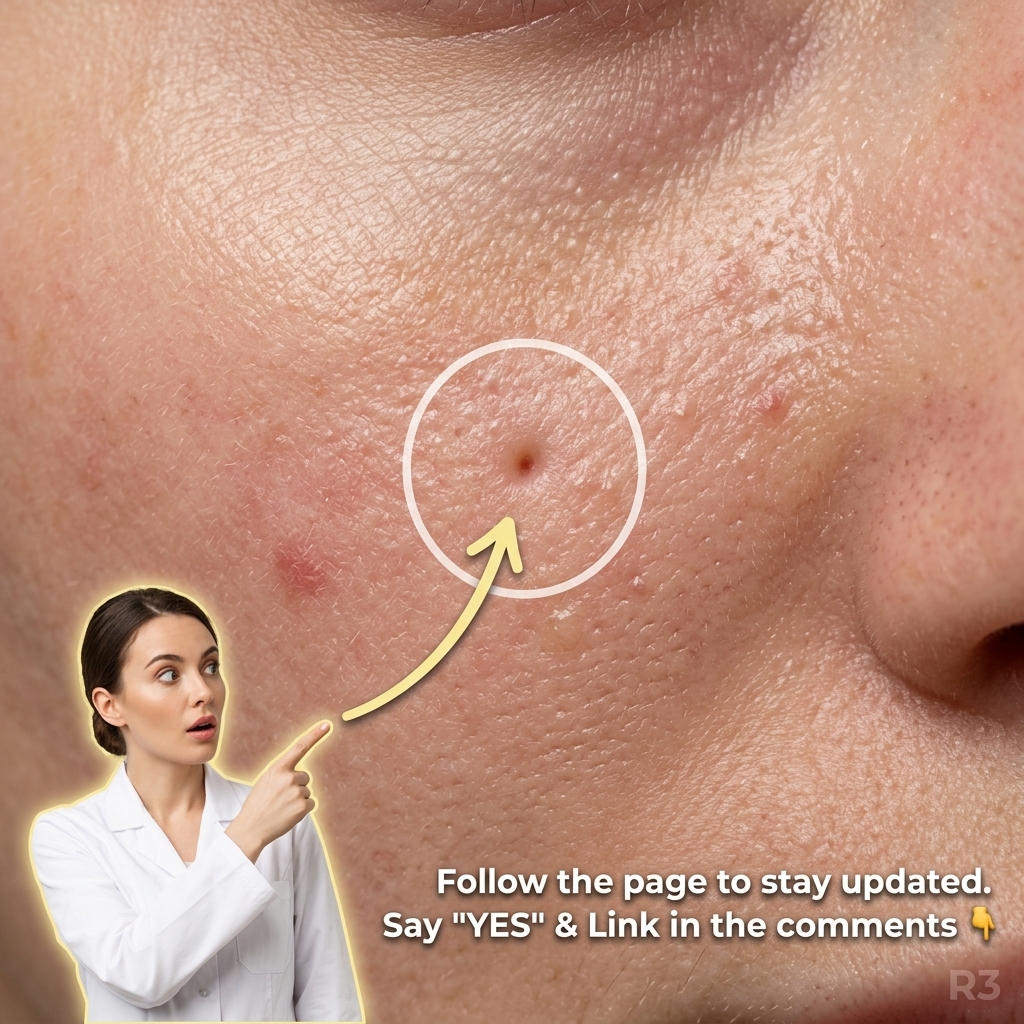
The development of persistent acne often begins with subtle microscopic shifts within the pilosebaceous unit, where hair follicles and sebaceous glands interact. When excess oil mixes with dead skin cells, microcomedones form beneath the skin surface, laying the foundation for future inflammatory lesions. Intervening early in this process can help mitigate the intensity and duration of local tissue strain. When active inflammation is contained before it expands into the deeper dermal layers, the surrounding structural matrix experiences far less collateral damage. Early care aims to disrupt the sequence that progresses from simple clogged pores to severe, deeply seated papules or cysts. According to dermatological literature, limiting the scale of the inflammatory cascade remains one of the most effective strategies for reducing the risk of post-inflammatory erythema, persistent dark spots, and structural scar tissue that often require extensive long-term care.
To understand how early management influences long-term outcomes, it is essential to examine the underlying biological mechanisms driving lesion formation. Oily skin often stems from an overproduction of sebum, which can combine with abnormal keratinization—a process where dead skin cells shed irregularly and stick together. This buildup leads to clogged pores, creating non-inflammatory lesions such as open comedones, commonly known as blackheads, and closed comedones, known as whiteheads. If left unchecked, these blockages create an anaerobic environment where resident follicular bacteria can thrive, triggering a localized immune response. Research suggests that targeting sebum regulation and follicular desquamation during these initial non-inflammatory stages can effectively prevent lesions from escalating into tender, swollen nodules that disrupt the delicate connective tissue of the dermis.
When inflammation escalates, the body initiates a healing response that can sometimes alter normal skin architecture, resulting in visible long-term marks. As white blood cells migrate to the site of infection or irritation, surrounding blood vessels dilate, leading to persistent local redness or erythema. Furthermore, severe inflammation can trigger melanocytes to produce excess pigment, creating post-inflammatory hyperpigmentation that can linger for months after the initial active breakout has completely cleared. In more pronounced cases, intense inflammation degrades underlying structural proteins like collagen, leading to permanently altered skin texture such as atrophic or hypertrophic scarring. This is why ingredients like retinoids and topical anti-inflammatory agents are often discussed in the context of early clinical management, as reducing inflammatory severity directly protects the structural integrity of the surrounding tissue.
Modern dermatological approaches emphasize topical regimens designed to address multiple steps of the lesion lifecycle simultaneously before significant damage takes place. Ingredients such as salicylic acid, a beta-hydroxy acid, penetrate lipid-rich pores to dissolve accumulated debris and loosen intercellular bonds, effectively reducing the occurrence of blackheads and whiteheads. Similarly, topical retinoids promote healthy cell turnover and normal keratinization, which helps prevent future blockages from forming in the follicle walls. Azelaic acid offers dual benefits by demonstrating mild antimicrobial properties while simultaneously targeting irregular pigmentation pathways associated with residual marks. Integrating these targeted interventions into a structured skincare routine under guidance can help maintain clear pathways in the follicle, lowering the probability of intense, tissue-damaging inflammatory events over time.
Long-term skin health relies heavily on supporting the skin barrier and maintaining a balanced cutaneous microbiome while managing active breakouts. Overly aggressive treatments or improper extraction techniques can disrupt the protective acid mantle, compromising barrier function and exacerbating systemic inflammation, which ultimately increases the likelihood of long-lasting marks. Cautious, evidence-based care focuses on gentle cleansing, proper hydration, and sun protection alongside targeted active ingredients to foster an environment conducive to optimal skin repair. Research indicates that maintaining skin hydration and protecting delicate healing tissue from ultraviolet light helps prevent post-inflammatory discoloration from darkening further. By establishing a consistent, well-tolerated regimen early, individuals can effectively minimize ongoing follicular stress, supporting smooth skin texture and long-term epidermal recovery.
Related acne topics
- Understanding Blackhead Oxidation and the Clinical Pathway for Follicular Cleansing
- Understanding How Physical Manipulation of Acne Increases the Risk of Permanent Scarring
Health information notice: This article is for general informational and educational purposes only. It is not medical advice and does not replace consultation with a licensed dermatologist or healthcare provider.
This article was generated with AI assistance and has not been individually reviewed by a medical professional. View the accompanying YouTube video.