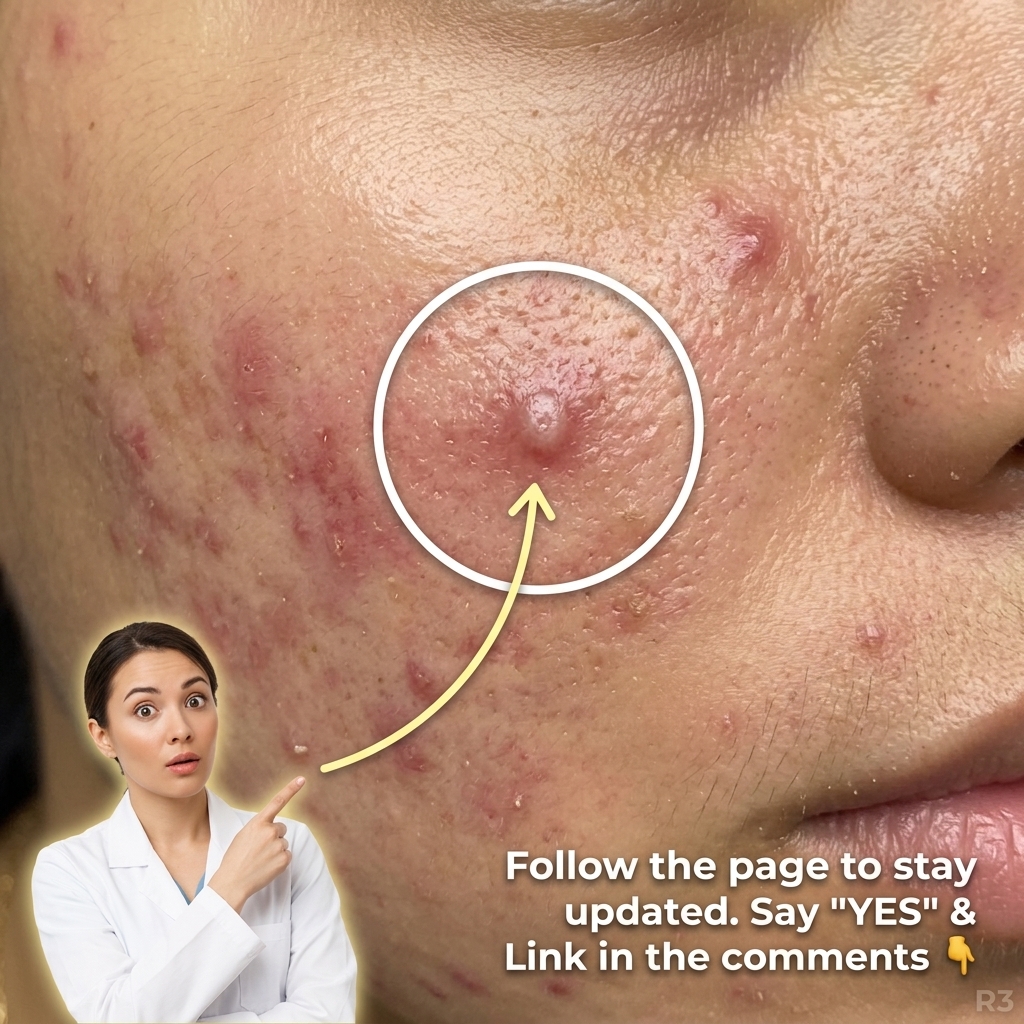
Blackheads, known in dermatological terms as open comedones, represent a common manifestation of acne that develops when pores become blocked by a combination of excess sebum and shed keratinocytes. Unlike whiteheads, which remain sealed beneath a thin layer of surface skin, blackheads feature a pore opening exposed directly to the external environment. When the trapped mixture of lipophilic substances and debris meets atmospheric oxygen, a chemical reaction known as oxidation occurs. During this reaction, lipid components within the sebum, particularly squalene, undergo structural changes that result in a dark brown or black pigmentation at the pore orifice. It is a frequent misconception that this dark color is caused by trapped dirt or inadequate facial hygiene; rather, it is the natural consequence of chemical oxidation acting upon organic cellular matter. Understanding this biochemical process is fundamental to establishing an effective strategy for targeted pore management.
The progression toward visible oxidized comedones is primarily driven by abnormal keratinization alongside elevated sebum production. In skin prone to acne, the natural shedding process of dead skin cells within the pilosebaceous unit becomes disrupted, leading to hyperkeratosis where keratinocytes adhere together instead of sloughing off cleanly. Simultaneously, individuals with oily skin often experience heightened sebaceous gland activity, producing an abundant volume of lipids that fill the follicular canal. As this dense mixture of sticky cellular debris and sebum accumulates, it creates an impaction that expands the pore opening. Furthermore, alterations in the cutaneous microbiome and local lipid composition can exacerbate follicle congestion, creating an environment highly susceptible to lipid peroxidation upon air contact. Consequently, managing blackhead formation requires addressing both the internal biological drivers of cellular buildup and the external factors that accelerate local oxidative stress.
Visually, oxidized blackheads present as dark, pinpoint lesions that alter skin texture, particularly across areas with higher sebaceous density such as the central facial zone. Over time, persistent follicular plugs can cause physical expansion of the pore structure, making the openings appear larger and more prominent. While manual extraction is frequently sought in professional esthetic settings to clear stubborn follicular impactions, improper physical pressure can compromise the delicate skin barrier, induce localized inflammation, or risk pushing debris deeper into the dermis. When executed correctly within a structured clinical pathway, professional extraction techniques aim to relieve physical blockages without causing mechanical trauma or secondary infection. However, physical clearing alone does not alter the underlying rate of sebum production or cellular turnover, meaning that dark oxidized plugs will inevitably re-form unless supported by consistent topical interventions that regulate pore dynamics over time.
To interrupt the cycle of oxidation and pore congestion, dermatological care frequently incorporates targeted topical agents designed to act on specific stages of comedone development. Beta-hydroxy acids, such as salicylic acid, are oil-soluble compounds that can penetrate deep into lipid-rich pores to dissolve keratinaceous plugs and accelerate natural exfoliation. Additionally, topical retinoids are widely regarded as a cornerstone in acne management due to their unique ability to normalize follicular keratinization, thereby preventing initial microcomedone formation before oxidation can occur. Antioxidant formulations containing stable derivatives of vitamin C or vitamin E may also play a supportive role by reducing lipid peroxidation at the surface of open pores. By combining keratolytics with ingredients that support sebum regulation, clinical approaches address both the physical blockages within clogged pores and the chemical processes that cause them to darken.
Sustaining long-term improvements in skin clarity requires a balanced approach that pairs active treatments with proper skin barrier maintenance. Overusing aggressive cleansers or high-strength chemical exfoliants in an attempt to scrub away blackheads can compromise barrier integrity, potentially leading to increased transepidermal water loss, irritation, and reactive oily skin conditions. A cohesive management regimen typically emphasizes gentle cleansing, non-comedogenic hydration, and daily broad-spectrum sun protection to shield vulnerable lipid structures from environmental degradation. Over time, consistent application of evidence-based topicals helps maintain steady cellular turnover and prevents the dense accumulation of oxidized sebum within the follicles. Consulting a qualified healthcare provider or dermatologist ensures that treatment protocols are tailored appropriately to individual skin sensitivity, fostering sustained clarity while minimizing the risk of adverse inflammatory reactions or structural pore distortion.
Related acne topics
- How Chronic Inflammation Alters Skin Texture and the Role of Ingredient Interactions
- Understanding Persistent Blackheads: How Long-Term Skin Biology and Pore Dynamics Influence Chronic Comedones
Health information notice: This article is for general informational and educational purposes only. It is not medical advice and does not replace consultation with a licensed dermatologist or healthcare provider.
This article was generated with AI assistance and has not been individually reviewed by a medical professional. View the accompanying YouTube video.