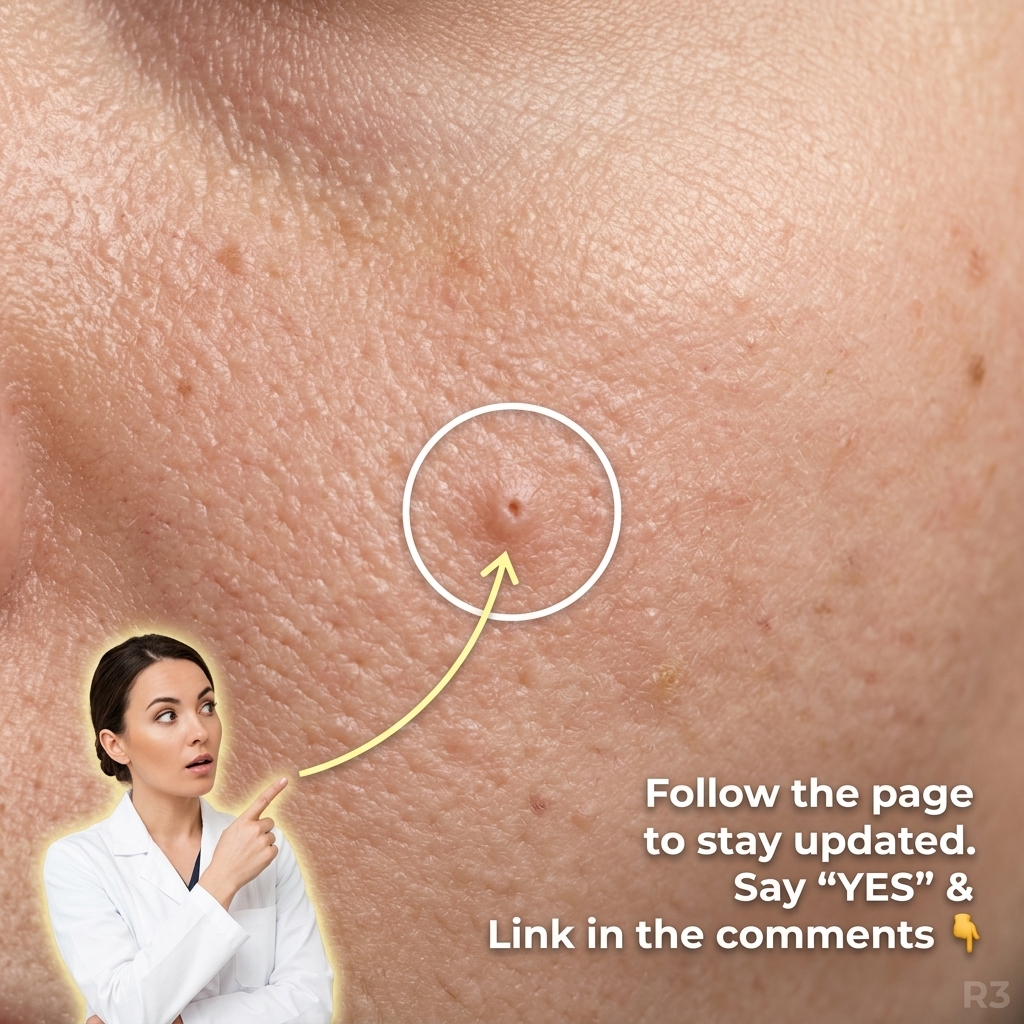
When inflammatory breakouts occur, the skin undergoes a complex cascade of cellular events that extends far beyond the surface layer. Within the follicle, excessive sebum production combines with abnormal keratinization—a process where dead skin cells fail to shed properly—leading to clogged pores. This trapped environment allows bacteria native to the cutaneous microbiome to multiply rapidly, triggering a local immune response that manifests as inflamed papules or pustules. Unlike non-inflammatory lesions such as blackheads and whiteheads, severe inflammation damages surrounding connective tissue and structural proteins. As the acute inflammatory response resolves, the cutaneous matrix initiates a healing sequence to reconstruct damaged tissue. Understanding how the skin transitions from an active lesion to a recovery state provides critical context for supporting post-breakout repair and minimizing persistent surface marks.
Once the primary inflammatory response subsides, the skin enters a proliferative repair phase aimed at restoring structural integrity. During this stage, the skin barrier is often compromised, leaving the stratum corneum vulnerable to transepidermal water loss and environmental stress. The tissue renewal mechanism involves delicate capillary formation and matrix synthesis to repair deep tissue damage. However, this recovery process can leave behind visible changes, such as post-inflammatory erythema from persistent vascular dilation or hyperpigmentation caused by localized melanin production. Individuals with naturally oily skin may observe that a damaged moisture barrier paradoxically increases surface oiliness as the tissue attempts to protect itself. Supporting this phase requires balancing moisture levels while controlling lingering irritation to ensure the healing cellular environment remains stable.
Navigating post-breakout topical care requires careful attention to how different skincare actives interact with compromised tissue and with each other. When active ingredients are combined thoughtfully, they can act synergistically to support the skin barrier without overloading the cutaneous ecosystem. For example, pairing barrier-repairing lipid complexes like ceramides with soothing agents like niacinamide can help reinforce protective structures while calming lingering redness. Conversely, combining strong exfoliating agents like beta-hydroxy acids with aggressive topical retinoids during an active recovery phase may disrupt lipid organization, potentially increasing irritation and delaying repair. Research suggests that managing post-breakout skin is primarily about creating a harmonious chemical environment where complementary compounds support natural turnover without causing secondary distress.
To address persistent skin discoloration and rough texture following acne, understanding ingredient compatibility is essential for optimizing visible outcomes. Hydrating ingredients such as hyaluronic acid can serve as effective bases when combined with mild brightening agents like azelaic acid, encouraging comfortable absorption while supporting natural sebum regulation. This constructive pairing helps minimize the appearance of dark spots while maintaining overall skin hydration. Conversely, mixing highly acidic formulations with incompatible barrier-disrupting exfoliants can significantly alter surface pH, which may impair enzymes critical for keratinization and tissue recovery. By selecting non-comedogenic formulations that work co-operatively, individuals can encourage smoother epidermal renewal while reducing the likelihood of recurring clogged pores in adjacent follicles.
Long-term care for post-breakout skin relies on maintaining a supportive recovery environment while gradually reintroducing targeted treatments for ongoing skin health. Skincare regimens that prioritize ingredient compatibility help shield the skin from unnecessary stress, which could otherwise restart the inflammatory loop. Over-treating healing areas with physical scrubs or mismatched chemical combinations often prolongs post-inflammatory marks and degrades natural defenses. Integrating multi-functional ingredients that promote steady cellular renewal—such as carefully layered retinoids paired with supportive moisturizers—is commonly discussed in dermatological literature as a balanced approach to maintaining clear skin. Ultimately, monitoring how individual skin responds to specific combinations and consulting a board-certified dermatologist ensures a safe, evidence-based strategy aligned with the natural timeline of cutaneous repair.
Related acne topics
- Understanding the Cellular Link Between Acne Lesions and Post-Inflammatory Hyperpigmentation
- Understanding the Physiological Reasons Pores Appear Enlarged During Acne Breakouts
Health information notice: This article is for general informational and educational purposes only. It is not medical advice and does not replace consultation with a licensed dermatologist or healthcare provider.
This article was generated with AI assistance and has not been individually reviewed by a medical professional. View the accompanying YouTube video.