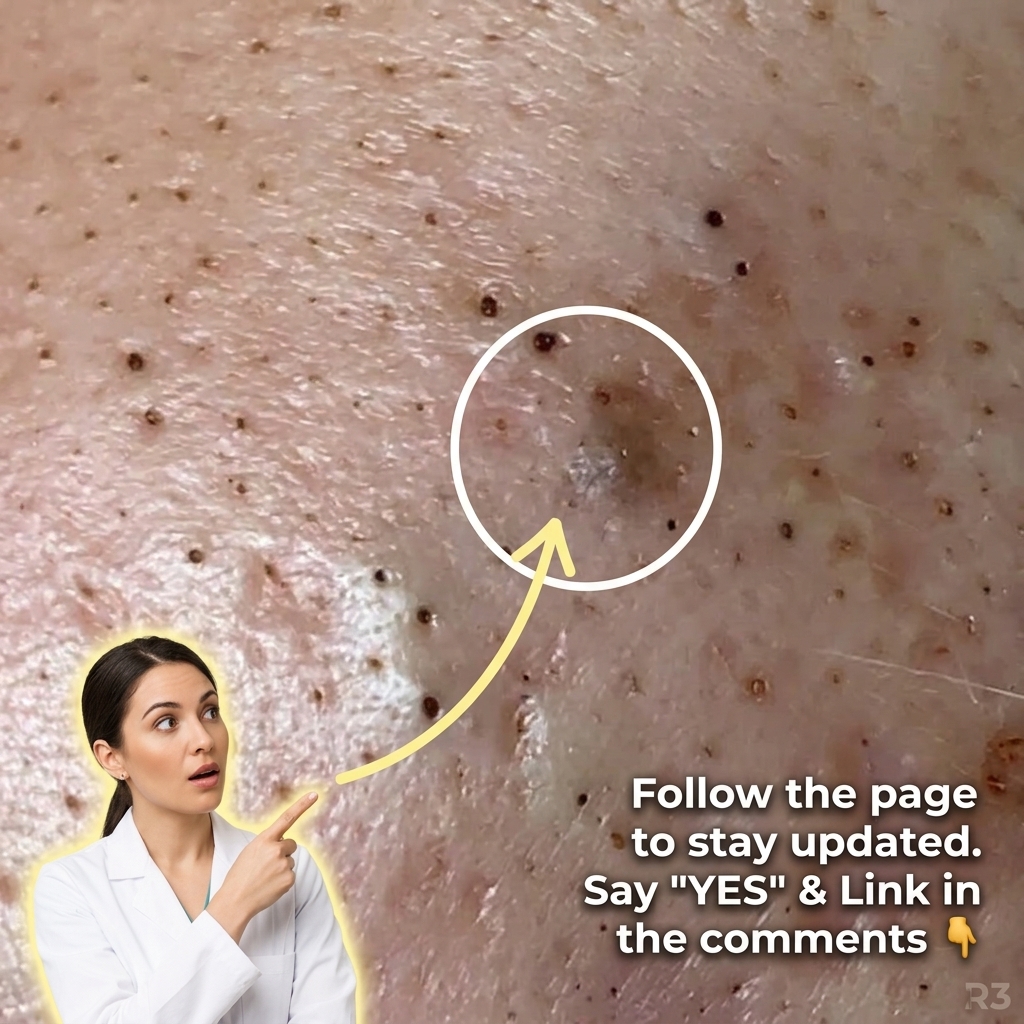
The rate at which individual acne lesions resolve depends largely on the depth of the initial inflammatory response within the pilosebaceous unit. While superficial non-inflammatory lesions such as blackheads and whiteheads exist primarily in the upper layers of the epidermis, deeper papules, pustules, and nodules extend into the dermis. When hyperactive sebaceous glands produce excess sebum, it combines with trapped cellular debris, creating an oxygen-deprived environment where follicular bacteria can thrive. This triggers an influx of inflammatory mediators and immune cells aimed at neutralizing the buildup. If the follicular wall ruptures under pressure, inflammatory contents spill into the surrounding tissue, causing localized trauma that requires significant time to repair. Consequently, deeper inflammatory lesions necessitate a prolonged healing phase involving matrix remodeling and immune clearing, whereas surface-level clogged pores typically clear much faster once the occlusion is relieved.
Another critical factor influencing resolution time is the interplay between abnormal keratinization and sebum regulation. Under healthy conditions, skin cells shed systematically from the inner lining of the pores. However, in acne-prone individuals, this process becomes disrupted, leading to hyperkeratosis—a state where sticky, un-shed dead skin cells clump together with sebum. This ongoing cellular accumulation can lead to persistent occlusions that continuously feed local microorganisms, prolonging the inflammatory cascade. While open comedones maintain a surface opening allowing some oxidized sebum to escape, closed comedones and deep inflammatory papules remain isolated within sealed follicles. The lingering presence of follicular blockages and the resulting chronic immune activation prevent the skin from efficiently shifting from an active defense state into the restorative tissue-rebuilding phase, extending the total longevity of the lesion.
Visible changes during the healing process reflect the complex repair mechanisms occurring within the dermal architecture. As the immune system works to clear follicular debris, specialized enzymes known as matrix metalloproteinases are released to break down damaged collagen and elastin fibers. While necessary for clearing degraded tissue, these enzymes can temporarily compromise the structural integrity of the surrounding dermis if inflammation remains unresolved for extended periods. This micro-trauma often leads to lingering post-inflammatory hyperpigmentation or persistent erythema, which represents delayed vascular recovery rather than active bacterial infection. Furthermore, a disrupted skin barrier can exacerbate transepidermal water loss and increase sensitivity, making the localized area more susceptible to external irritants. Understanding these structural dynamics explains why a single lesion can leave behind noticeable discoloration or altered skin texture long after the initial swelling subsides.
Addressing slow-healing lesions involves utilizing targeted topical ingredients that support normal follicular desquamation and calm the surrounding tissue. Beta-hydroxy acids, such as salicylic acid, are lipid-soluble, allowing them to penetrate deep into oil-filled pores to dissolve cellular debris and clear clogged pores. Additionally, agents that support cell turnover play a vital role in preventing recurrent blockages and facilitating overall tissue clearance. This is why ingredients like topical retinoids are often discussed in the context of long-term follicular regulation, as they help normalize epidermal differentiation and prevent microcomedone formation. When combined with soothing, anti-inflammatory compounds, these dermatological ingredients can reduce the severity of individual breakouts, ultimately shortening the overall duration of the recovery cycle while helping maintain balanced sebum production across oily skin types.
Long-term management of slow-healing acne requires a holistic focus on protecting the skin barrier and avoiding actions that escalate tissue trauma. Mechanical manipulation, such as squeezing or picking at persistent lesions, destabilizes the delicate dermal structure and forces inflammatory material deeper into the dermis, significantly increasing clearance times and elevating the risk of permanent scarring. Maintaining a healthy cutaneous microbiome and an intact moisture barrier through gentle, non-comedogenic hydration supports the skin’s natural repair pathways. For individuals managing stubborn or deep-seated acne, incorporating consistent, non-irritating skincare practices helps minimize ongoing low-grade inflammation. While over-the-counter strategies offer significant benefits for everyday management, persistent or severe lesions often warrant professional evaluation by a qualified healthcare provider to tailor an effective, comprehensive treatment regimen tailored to individual skin biology.
Related acne topics
- Understanding Non-Inflamed Versus Inflamed Acne: The Biology Behind Lesion Development
- Understanding Persistent Blackheads: How Long-Term Skin Biology and Pore Dynamics Influence Chronic Comedones
Health information notice: This article is for general informational and educational purposes only. It is not medical advice and does not replace consultation with a licensed dermatologist or healthcare provider.
This article was generated with AI assistance and has not been individually reviewed by a medical professional. View the accompanying YouTube video.