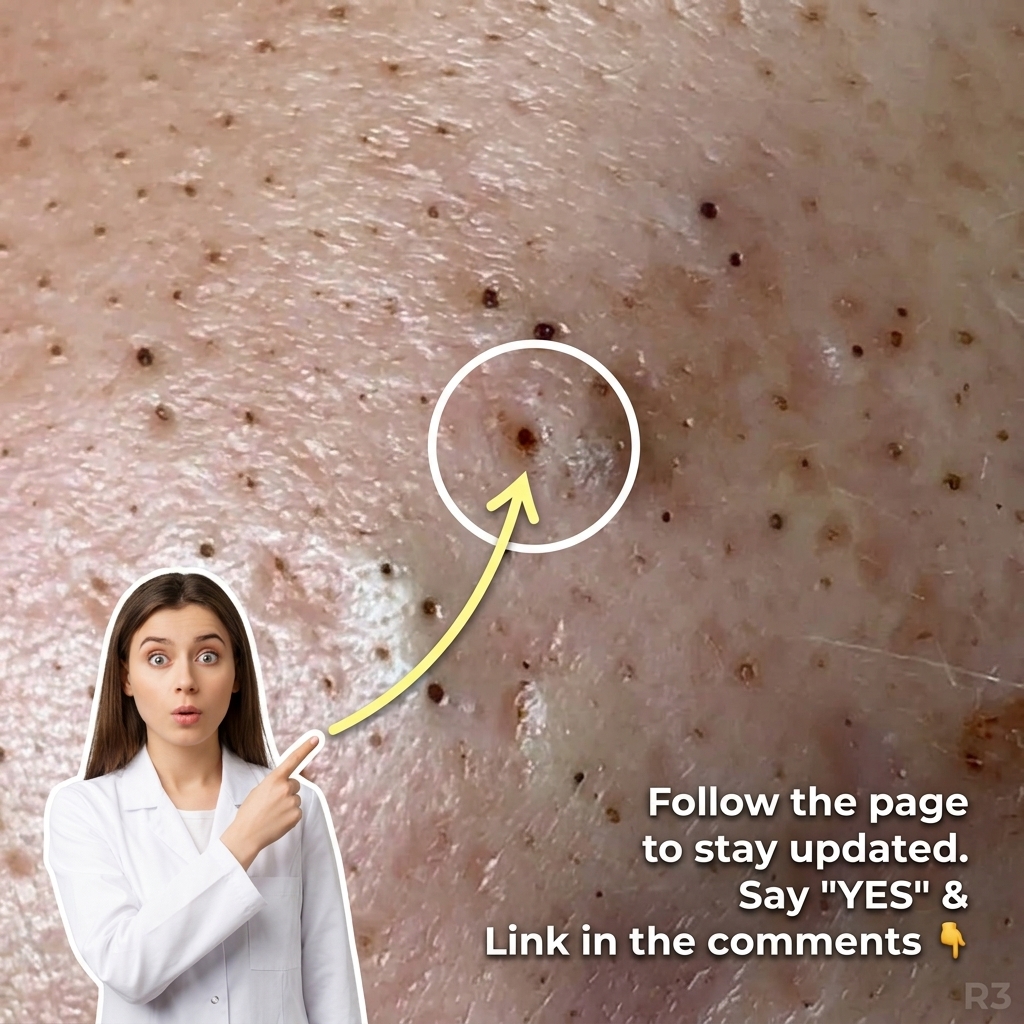
The development of acne begins deep within the pilosebaceous unit, where microscopic changes gradually alter the surface characteristics of the skin. Excess oil production, often driven by hormonal signals, combines with an abnormal shedding of dead skin cells in a process known as follicular hyperkeratinization. Instead of sloughing off normally, these sticky cells accumulate inside the hair follicles, leading to clogged pores. When this trapped material remains exposed to air, oxidation occurs, forming open comedones commonly recognized as blackheads. Conversely, when the pore opening remains closed beneath the surface, closed comedones or whiteheads develop. For individuals with naturally oily skin, these altered follicular dynamics create a persistent cycle of congestion. Over time, recurring blockages exert physical pressure on the follicular walls, which may slowly stretch the surrounding tissue and contribute to visibly enlarged pore structures across affected facial areas.
As plugged pores persist, the local follicular micro-environment undergoes significant biochemical changes. The proliferation of anaerobic bacteria within the trapped sebum, particularly elements of the skin microbiome such as Cutibacterium acnes, triggers a localized immune response. This inflammatory cascade recruits white blood cells to the area, leading to visible redness, swelling, and papule or pustule formation. Chronic inflammation, however, does not merely cause temporary surface irritation; it also impacts local structural proteins, including collagen and elastin. Prolonged enzymatic degradation caused by immune activity can weaken the dermal matrix surrounding the follicle. Concurrently, repeated inflammatory events compromise the functional integrity of the skin barrier, leading to heightened transepidermal water loss and impaired healing responses. Consequently, areas subject to ongoing inflammatory stress often struggle to maintain smooth surface cohesion, yielding an uneven or coarsened textural appearance over extended periods.
When persistent acne causes deeper structural disruption, the body attempts to repair damaged tissue through localized collagen remodeling. Depending on the extent of the tissue destruction and the individual’s healing response, this process can lead to long-term alterations in skin contour. If the inflammatory process destroys a significant portion of dermal tissue, an inadequate collagen response during healing leads to depressed or atrophic scarring, such as icepick, boxcar, or rolling scars. Alternatively, an overproduction of collagen can result in raised hypertrophic scars. Furthermore, persistent lesions often leave behind post-inflammatory hyperpigmentation or persistent erythema, which disrupt color uniformity and complement textural irregularities. Dermatological literature emphasizes that the duration and severity of localized tissue inflammation directly correlate with the likelihood of long-term structural changes, highlighting why managing persistent breakouts is critical for preserving uniform skin texture.
Addressing persistent textural changes associated with long-term acne generally involves targeting both follicular occlusion and excessive sebum production. Topically applied active ingredients, such as beta-hydroxy acids like salicylic acid, possess lipid-soluble properties that allow them to penetrate deeply into oil-filled pores to dissolve cellular debris and reduce congestion. Additionally, topical retinoids are frequently discussed in the context of long-term skin health due to their ability to normalize aberrant keratinization, encouraging proper cell turnover so that dead cells do not aggregate within the follicle. By facilitating regular shedding and aiding in sebum regulation, these agents help minimize the occurrence of new comedones while gradually improving overall surface smoothness. Ingredients that support skin barrier restoration, such as niacinamide or ceramides, are often paired with active exfoliants to mitigate irritation, sustain hydration, and foster an environment conducive to optimal skin recovery over time.
Maintaining smooth skin texture in the presence of recurring acne requires a consistent, long-term approach to skincare rather than short-term remedies. Because structural changes accumulate gradually through repeated cycles of inflammation and tissue repair, early and sustained interventions are generally considered the most effective strategy. Incorporating gentle, non-comedogenic cleansing routines, daily broad-spectrum sun protection, and targeted topical therapies can help protect the extracellular matrix from further degradation. Sunscreen is particularly vital, as ultraviolet radiation can exacerbate post-inflammatory marks and degrade structural collagen, further worsening uneven texture. For individuals experiencing deep or recalcitrant lesions, consulting a qualified healthcare professional offers access to individualized guidance and advanced modalities—such as professional chemical peels or microneedling—designed to support dermal remodeling and mitigate long-term textural impacts safely.
Related acne topics
- Understanding How Climate Shifts Impact Long-Term Sebum Dynamics and Breakouts
- How Skin Healing Works After Inflammatory Breakouts and the Role of Ingredient Compatibility
Health information notice: This article is for general informational and educational purposes only. It is not medical advice and does not replace consultation with a licensed dermatologist or healthcare provider.
This article was generated with AI assistance and has not been individually reviewed by a medical professional. View the accompanying YouTube video.