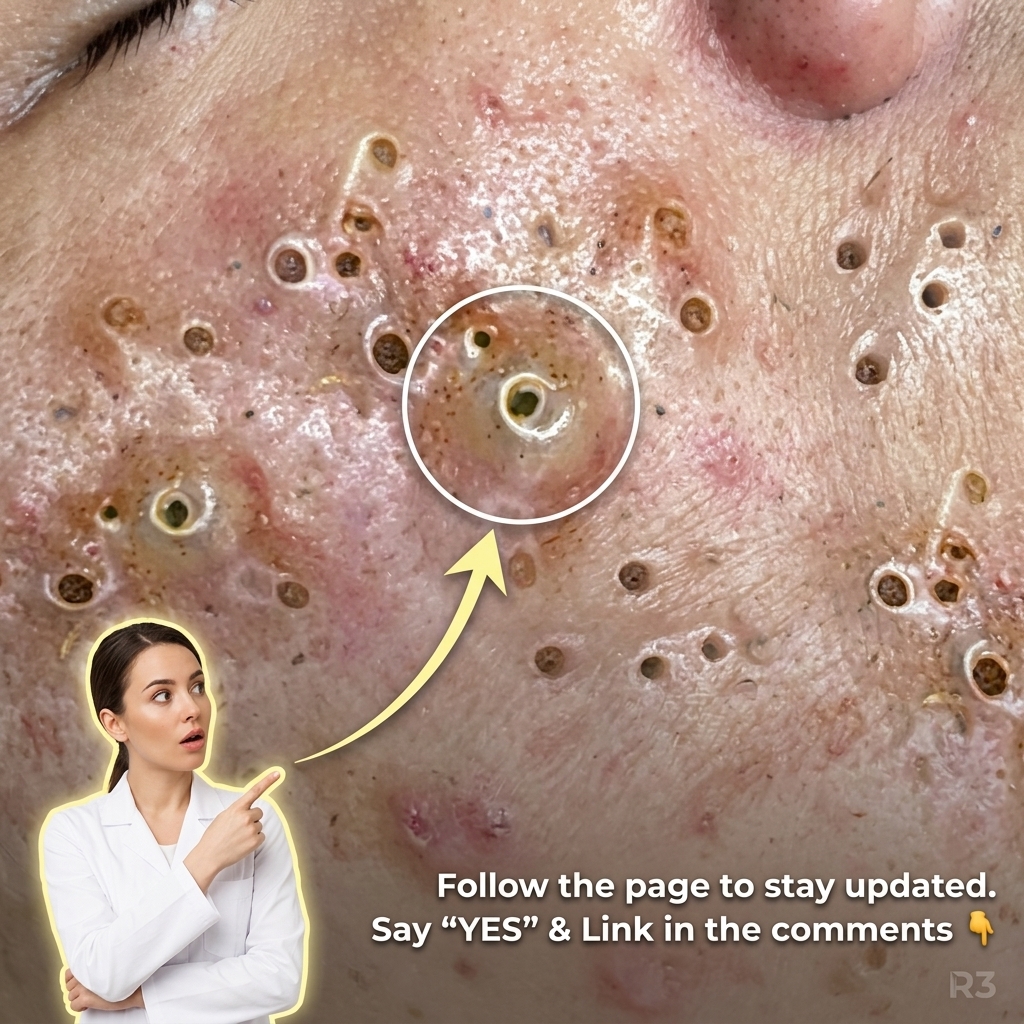
The human skin barrier, located within the outermost layer known as the stratum corneum, serves as a vital defensive shield against environmental stressors while locking in essential hydration. When this lipid-rich matrix functions optimally, it supports a balanced cutaneous microenvironment and aids in orderly keratinization, the process by which dead skin cells shed naturally. However, when the skin barrier becomes compromised due to harsh environmental conditions or over-exfoliation, cellular desquamation is frequently disrupted. This breakdown allows dead skin cells to accumulate alongside excess sebum within the pores, creating an ideal environment for clogged pores to develop into non-inflammatory lesions like blackheads and whiteheads. Furthermore, an impaired barrier can increase transepidermal water loss, leaving the skin susceptible to external irritants that provoke deeper cutaneous inflammation. Understanding this initial biological vulnerability highlights why maintaining structural integrity is an essential foundation when managing acne-prone skin.
Many conventional targeted therapies for acne rely on powerful active compounds designed to accelerate cell turnover, clear clogged pores, or reduce bacterial populations. Ingredients such as salicylic acid, benzoyl peroxide, and topical retinoids play crucial roles in sebum regulation and follicular clearance, yet their potent nature can simultaneously alter the lipid architecture of the epidermis. When these aggressive agents interact with an already vulnerable stratum corneum without adequate hydration support, they can inadvertently strip away natural intercellular lipids. This chemical interaction may lead to compromised barrier function, presenting as dryness, peeling, and localized sensitivity. If active ingredients are layered improperly or used at excessively high concentrations, the delicate balance between exfoliating dead cell debris and preserving lipid protection is lost. Consequently, understanding how active compounds interact with biological lipids is crucial for designing a balanced regimen that controls acne without inducing chronic epidermal distress.
When the skin barrier is damaged, the physical and visible manifestations often mimic or exacerbate the very symptoms of acne that individuals are attempting to resolve. A compromised moisture barrier frequently triggers a compensatory response in which the sebaceous glands overproduce oils to offset dehydration, paradoxically resulting in overly oily skin alongside persistent flakiness. This influx of surface oil, combined with microscopic irritation and surface cracks, facilitates the accumulation of debris within hair follicles, fostering an environment where inflammatory lesions can thrive. Furthermore, heightened sensitivity can amplify localized inflammation, transforming mild comedones into painful, red papules or pustules. As the microbiome becomes destabilized due to surface disruption, opportunistic cutaneous bacteria can proliferate more readily. Recognizing these visible cues helps distinguish between primary acne flares and secondary breakouts caused by barrier impairment, emphasizing the need for restorative formulations alongside active care.
Integrating barrier-repairing compounds into a targeted regimen involves thoughtful ingredient pairing that offsets the harsh effects of potent exfoliants. Formulations rich in physiological lipids—such as ceramides, cholesterol, and free fatty acids—help rebuild the compromised intercellular matrix by replenishing lost structural components. When combined with soothing agents like niacinamide or hyaluronic acid, these restorative ingredients can reduce neurosensory discomfort and promote moisture retention without clogging pores. Research suggests that incorporating these supportive molecules alongside traditional acne therapies can enhance overall skin tolerance, allowing individuals to continue using active ingredients with minimal irritation. This supportive interaction creates a stable environment in which therapeutic agents can treat acne effectively while the stratum corneum remains resilient. Careful selection of non-comedogenic, barrier-centric formulations thus serves as a critical bridge between active acne control and long-term epidermal health.
Long-term acne management extends beyond immediate symptom suppression to focus on fostering sustainable skin health and barrier resilience. A comprehensive approach prioritizes maintaining optimal hydration levels, preserving a diverse skin microbiome, and protecting against environmental aggressors that spark inflammatory cascades. Soothing topical care, gentle cleansing practices, and consistent sun protection work synergistically to support the skin’s natural repair mechanisms over time. Dermatological literature frequently emphasizes that prioritizing barrier integrity reduces the likelihood of chronic irritation cycles, hyperpigmentation, and persistent breakouts. By viewing acne care through the lens of ingredient interactions, individuals can construct thoughtful routines that pair clarifying actives with lipid-replenishing agents. Ultimately, respecting the skin’s natural protective boundary empowers the cutaneous system to maintain homeostasis, yielding a clearer, calmer, and more balanced complexion over time.
Related acne topics
- Understanding How Over-Cleansing Disrupts the Skin Barrier and Exacerbates Acne
- Understanding How Persistent Acne Alters Long-Term Skin Texture and Structure
Health information notice: This article is for general informational and educational purposes only. It is not medical advice and does not replace consultation with a licensed dermatologist or healthcare provider.
This article was generated with AI assistance and has not been individually reviewed by a medical professional. View the accompanying YouTube video.