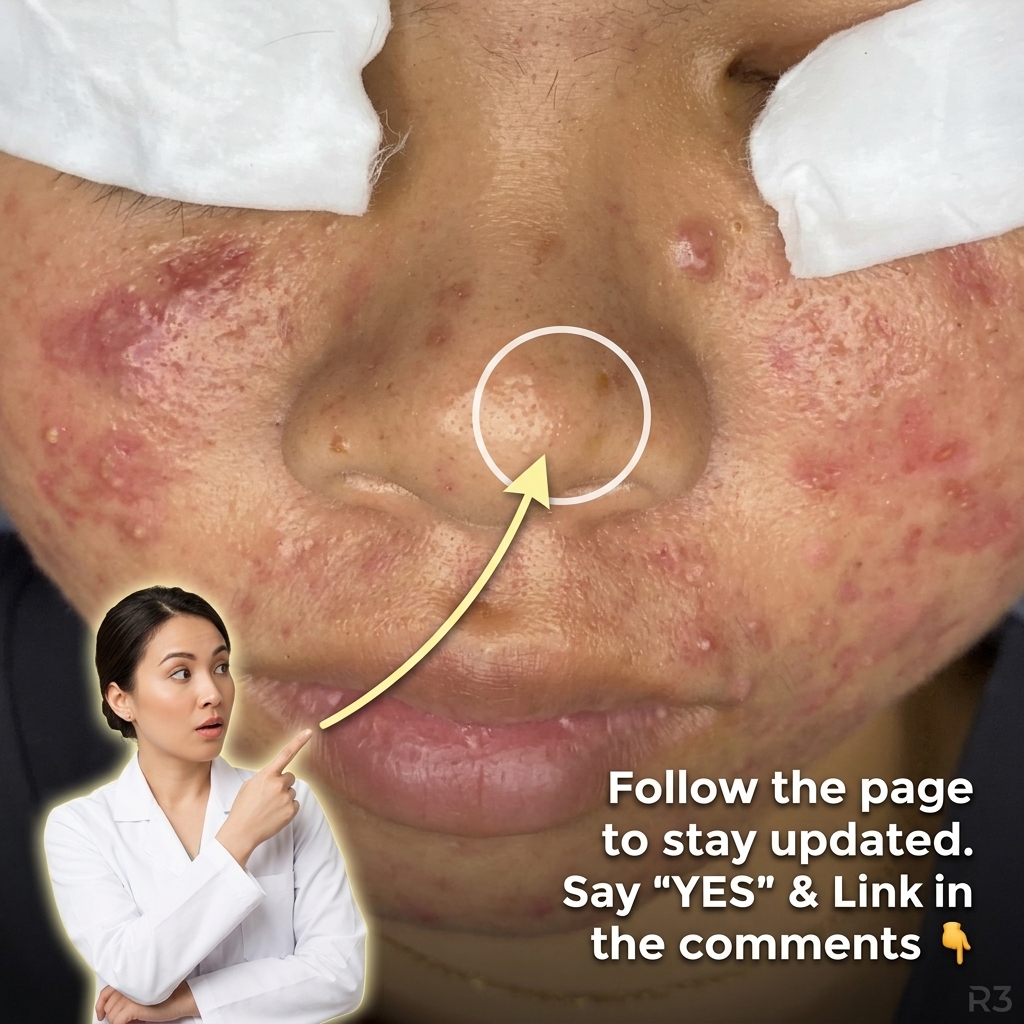
The appearance of pore size is closely linked to the complex dynamic between natural oil synthesis and cellular turnover within the hair follicle. Under typical conditions, the pilosebaceous unit produces sebum to lubricate the skin surface and protect the skin barrier. However, during periods of heightened activity, excess oil combined with abnormal cellular shedding, known as follicular hyperkeratinization, can disrupt this delicate balance. When dead skin cells fail to slough off naturally, they mix with abundant lipid secretions inside the follicle channel. This buildup creates structural pressure along the follicular walls, causing the pore opening to physically expand to accommodate the accumulated debris. Consequently, individuals experiencing oily skin or active acne frequently observe that their pores seem significantly larger, as internal physiological strain forces the surface opening to widen.
As the mixture of lipid fluids and shedding keratinocytes continues to build, specific lesions such as blackheads and whiteheads begin to form within the clogged pores. When this trapped material is exposed to oxygen at the skin surface, oxidation turns the dark tip visible, generating an open comedo or blackhead. Because blackheads physically occupy space within the upper pore structure, they hold the follicular pore rim distended, making the pore opening visually prominent against surrounding tissue. Conversely, closed comedones or whiteheads block the follicle entirely beneath a thin layer of epidermis, resulting in localized swelling that distorts the skin texture. Both types of comedonal acne exert physical force on the follicle walls, and until this impacted material is cleared or gradually sloughed away through natural physiological processes, the affected pores tend to remain noticeably stretched and expanded.
Beyond physical blockage, the inflammatory cascade triggered during severe breakouts plays a major role in changing pore visibility. As localized bacteria, particularly Cutibacterium acnes, thrive within an oxygen-deprived and lipid-rich environment, the body initiates an immune response to manage the microbial population. Inflammation causes localized erythema, edema, and micro-swelling in the dermal matrix surrounding the impacted pore. This localized swelling alters the micro-relief of the surrounding skin surface, casting microscopic shadows that exaggerate the depth and aperture of individual pore openings. Furthermore, prolonged tissue inflammation can impair the integrity of structural collagen and elastin fibers that support the pore matrix. When these supporting proteins weaken, the structural pore wall loses its elasticity, rendering the pore less capable of snapping back into a compact shape even after the underlying blockage resolves.
Addressing the visual enlargement of pores requires targeted topical strategies that address both sebum regulation and hyperkeratinization simultaneously. Dermatological literature frequently highlights beta-hydroxy acids, such as salicylic acid, because their lipophilic nature allows them to penetrate oil-filled pores and dissolve cellular debris. Similarly, topical retinoids are widely utilized in acne management to normalize epidermal cell turnover, preventing keratinocytes from adhering together inside the follicle. By facilitating regular exfoliation and controlling lipid production, these active ingredients prevent the physical stretching associated with microcomedones. Additionally, soothing agents like niacinamide may assist in reinforcing the skin barrier while calming inflammation, which minimizes the surrounding tissue swelling that creates exaggerated shadows around individual pore openings over time.
Achieving long-term refinement in skin texture involves maintaining a holistic balance within the skin barrier and cutaneous microbiome rather than relying on aggressive, stripping products. Excessive scrubbing or harsh mechanical extraction can damage the surrounding dermal architecture, potentially exacerbating inflammation and causing permanent loss of tissue elasticity. Instead, consistent, gentle care focused on maintaining optimal hydration and supporting natural cellular renewal helps preserve the collagen matrix that cradles each follicle. While pore size is partially dictated by genetic factors and natural skin type, managing active breakouts effectively helps reduce temporary physical distension. For individuals navigating persistent acne or lingering structural changes, consulting a board-certified dermatologist offers tailored guidance on comprehensive treatment plans that protect skin health while minimizing long-term pore distortion.
Related acne topics
- How Inadequate Cleansing Disrupts Skin Physiology and Triggers Breakouts
- Understanding Forehead Breakouts: How Hair Care Products Interact with the Skin Barrier
Health information notice: This article is for general informational and educational purposes only. It is not medical advice and does not replace consultation with a licensed dermatologist or healthcare provider.
This article was generated with AI assistance and has not been individually reviewed by a medical professional. View the accompanying YouTube video.