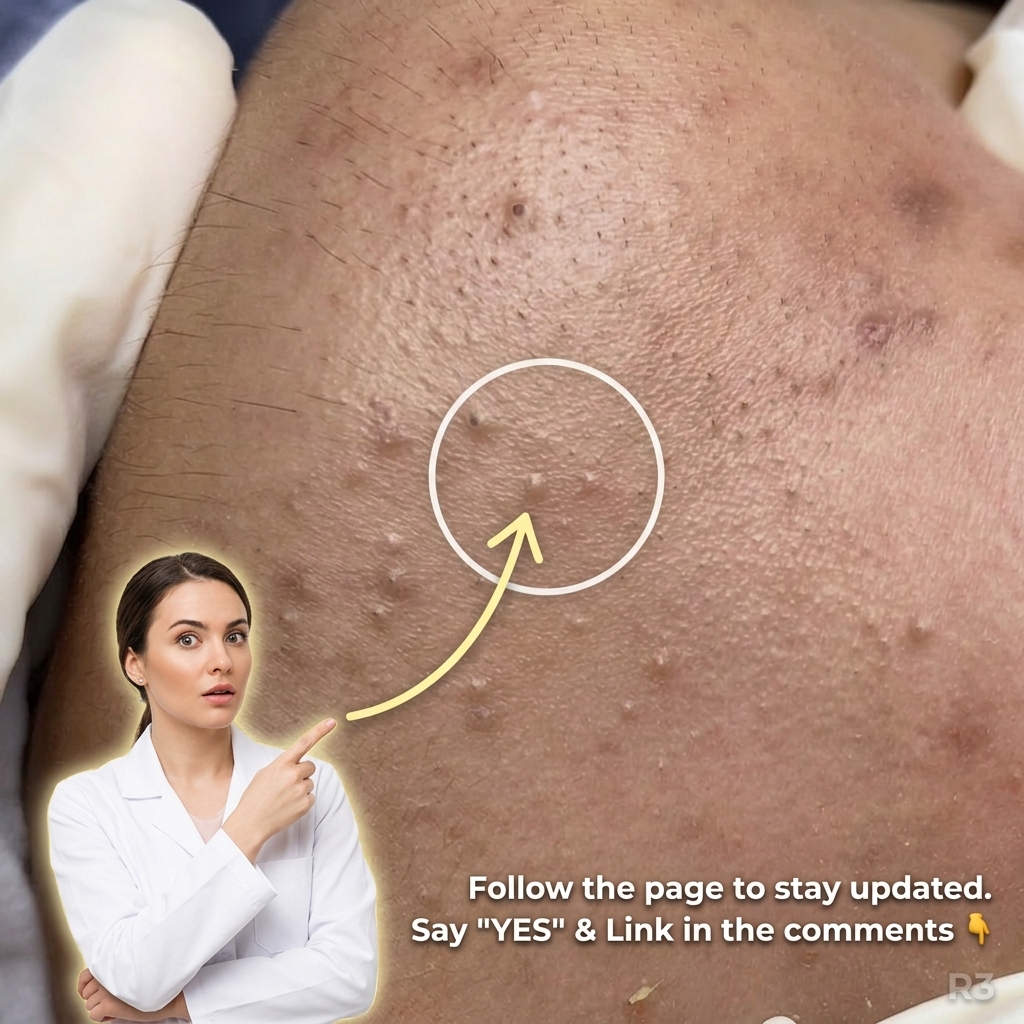
Acne vulgaris begins deep within the pilosebaceous unit, where excess sebum regulation issues, hyper-keratinization, and microbial proliferation combine to form clogged pores. When sebum and shed skin cells build up, they create an anaerobic environment ideal for cutaneous bacteria, leading to significant local inflammation. As the immune system responds to this swelling, neutrophils and inflammatory enzymes release matrix metalloproteinases, which actively break down the extracellular matrix. This destructive process damages structural proteins, particularly collagen and elastin fibers, within the surrounding dermal tissue. When inflammation penetrates deeply into the dermis, the delicate structural scaffolding supporting the skin is degraded, creating a gap in tissue density. Consequently, the severity and duration of localized tissue inflammation directly correlate with the degree of structural collagen degradation, laying the biological groundwork for long-term texture changes and residual scarring.
The initial stage of follicular blockage often presents as mild, non-inflammatory lesions such as open comedones, commonly called blackheads, or closed comedones, known as whiteheads, especially in individuals with oily skin. However, when these minor blockages rupture internally due to pressure or severe congestion, acute inflammatory cascades are triggered deep beneath the surface. The body attempts to repair this localized wound through dynamic collagen synthesis, but the healing response is frequently uncoordinated. If collagen production is insufficient during the wound-repair cycle, the skin surface loses underlying structural support, resulting in depressed or atrophic scars like boxcar, rolling, or icepick indentations. Conversely, an overproduction of fibrous tissue can lead to raised hypertrophic scars. Understanding how a damaged collagen matrix leads to these structural alterations helps explain why simply resolving active acne breakouts is often only the first phase of complete skin restoration.
In clinical dermatology pathways, managing post-inflammatory structural changes requires a thorough evaluation of scar morphology, active inflammation, and individual skin characteristics. Before initiating procedures aimed at collagen remodeling, practitioners typically emphasize stabilizing ongoing acne activity and supporting the overall skin barrier. If active inflammation continues unmanaged, new collagen degradation will outpace secondary dermal repair efforts, rendering procedural therapies less effective. Furthermore, balancing the cutaneous microbiome and restoring lipid barrier integrity helps minimize hyper-reactivity, creating an optimal biological environment for tissue recovery. Clinical assessment pathways categorize scar types based on structural depth and tethering to underlying tissue. This diagnostic step ensures that subsequent therapeutic modalities specifically target the correct dermal layers without causing excessive collateral damage or post-inflammatory hyperpigmentation, particularly in skin prone to heightened pigmentary responses.
Initial non-invasive clinical interventions frequently utilize topical agents designed to promote cellular turnover and encourage gradual neocollagenesis. Ingredients such as topical retinoids are widely utilized in dermatology to normalize abnormal keratinization within pores while simultaneously signaling dermal fibroblasts to synthesize new collagen fibers over extended periods. Chemical peels containing alpha and beta hydroxy acids can also serve as targeted adjunct therapies by gently exfoliating dead surface cells, improving overall texture, and enhancing the penetration of active topical formulations. While topical regimens alone generally cannot fully eliminate deep structural depressions, research suggests they play a vital supporting role in refining surface irregularities, suppressing new lesion formation, and preparing the extracellular matrix for more intensive procedural pathways in long-term skin care plans.
When collagen loss results in distinct structural scars, advanced procedural pathways are often integrated into clinical care to stimulate deeper dermal remodeling. Techniques such as microneedling create controlled micro-injuries within the skin matrix, triggering the natural wound healing cascade without destroying the outer layer of skin. This controlled trauma releases growth factors that recruit fibroblasts to deposit fresh collagen and elastin fibers, progressively filling in depressed areas. For deeper or tethered scarring, modalities like fractional laser resurfacing or subcision may be evaluated to break down rigid fibrous bands and induce robust structural regeneration. Clinical literature emphasizes that collagen synthesis is a gradual biological process, often requiring multiple structured sessions spaced over several months to achieve noticeable, durable improvements in overall skin texture and contour integrity.
Related acne topics
- Understanding How Over-Cleansing Disrupts the Skin Barrier and Exacerbates Acne
- Understanding the Physiological Reasons Pores Appear Enlarged During Acne Breakouts
Health information notice: This article is for general informational and educational purposes only. It is not medical advice and does not replace consultation with a licensed dermatologist or healthcare provider.
This article was generated with AI assistance and has not been individually reviewed by a medical professional. View the accompanying YouTube video.
