Sunscreen products rely on a complex matrix of active ultraviolet filters, film-forming agents, and stabilizing emollients to deliver reliable sun protection. For individuals with acne-prone or oily skin, the physical sensation of heaviness often arises not from a single active component, but from the dynamic interaction between lipid-rich carriers, film formers, and active minerals like zinc oxide or titanium dioxide. When high concentrations of water-resistant polymers mix with natural cutaneous lipids, the resulting surface barrier can feel thick and dense. This structural layering is designed to prevent evaporation and maintain protective coverage, yet it can alter how the skin breathes and sheds dead surface cells. Understanding how these ingredient blends interact with personal skin chemistry provides valuable insight into why certain formulations leave a noticeable residue or persistent weight throughout the day.
The physiological environment of acne-prone skin is characterized by heightened sebum production and accelerated keratinization, a process where dead epidermal cells accumulate inside the follicular lining. When rich cosmetic emulsifiers, heavy botanical oils, or high-viscosity silicones interact with excess sebum, they can form insoluble complexes on the skin surface. This combination often impedes the natural shedding of desquamated skin cells, contributing directly to clogged pores and the formation of non-inflammatory lesions such as whiteheads and blackheads. Furthermore, dense formulations may trap ambient heat, sweat, and micro-particles close to the cutaneous surface, disrupting normal gas exchange. Research suggests that when sebum regulation is compromised, lipid-dense ingredients are more likely to undergo oxidation, creating an ideal environment for further follicular blockages and tactile heaviness.
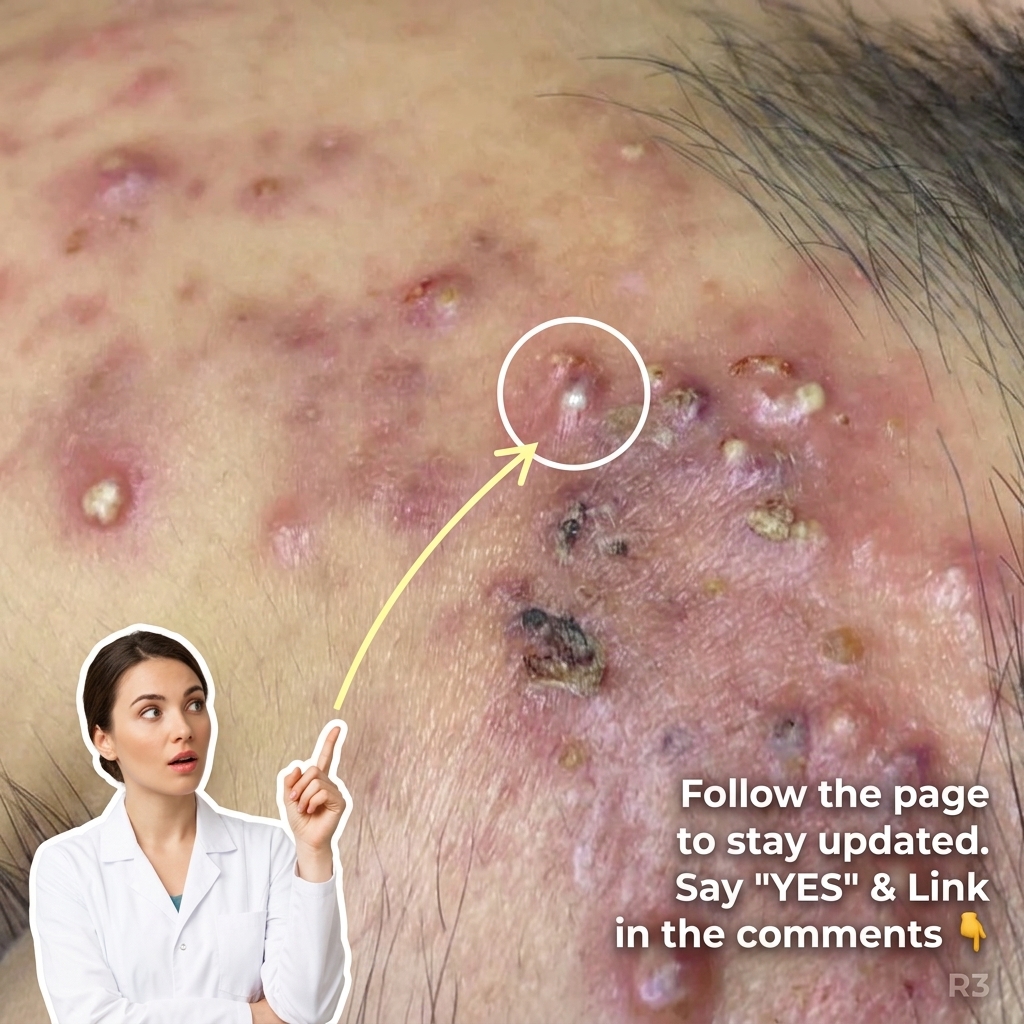
Beyond tactile discomfort, heavy ingredient combinations can significantly influence microecological conditions on the skin surface. The skin microbiome thrives in a balanced equilibrium, but prolonged occlusion by dense emollients and film-forming polymers can alter moisture levels and oxygen availability within the pore. These localized microenvironmental changes can favor the proliferation of Cutibacterium acnes, leading to localized inflammation and the emergence of red, tender papules or inflammatory acne. Additionally, a compromised or overly congested skin barrier may exhibit increased reactivity, manifesting as localized redness, elevated surface temperature, or increased shine despite a sensation of tightness underneath. When sunscreen ingredients fail to integrate smoothly with the skin's natural moisture mantle, the visible result is often a combination of persistent grease, uneven skin texture, and recurrent breakouts.
To minimize heaviness and reduce the likelihood of congestion, modern dermatological formulations frequently utilize volatile silicones, fluid water-gel vehicles, and lightweight chemical filters. These specialized systems are engineered to spread evenly and evaporate quickly, leaving behind an invisible protective film rather than a thick lipid layer. Ingredients labeled as non-comedogenic are specifically evaluated to ensure they do not provoke pore blockages when combined with natural facial oils. Additionally, incorporating topical agents such as salicylic acid or niacinamide into a broader skincare routine can support gentle exfoliation and promote healthy sebum regulation, making the skin less prone to sunscreen-induced congestion. Selecting fluid, oil-free broad-spectrum options allows individuals with oily skin to maintain vital sun protection while supporting overall clarity and comfort.
Long-term management of acne-prone skin requires a balanced approach that balances effective daily photoprotection with active barrier maintenance. Skipping sunscreen due to fear of texture issues can lead to post-inflammatory hyperpigmentation and delayed healing of inflammatory acne lesions. This is why supportive skincare strategies often incorporate targeted therapies, such as retinoids, which are frequently discussed in the context of long-term acne management due to their ability to normalize follicular turnover. Consulting with a qualified dermatologist can help individuals identify precise formulation types that align with their specific skin barrier needs and environmental conditions. By understanding how topical ingredients interact with individual cutaneous biology, patients can establish a comfortable, sustainable daily routine that protects against ultraviolet damage without worsening congestion.
Related acne topics
- Understanding Non-Inflamed Versus Inflamed Acne: The Biology Behind Lesion Development
- How Harsh Physical Scrubs Aggravate Acne-Prone Skin at the Cellular Level
Health information notice: This article is for general informational and educational purposes only. It is not medical advice and does not replace consultation with a licensed dermatologist or healthcare provider.
This article was generated with AI assistance and has not been individually reviewed by a medical professional. View the accompanying YouTube video.