Physical exfoliation using coarse scrubs is often intended to smooth the surface of the skin, but it can inadvertently compromise the structural integrity of the skin barrier. The outermost layer of the epidermis, known as the stratum corneum, consists of tightly bound dead skin cells embedded within a complex lipid matrix. When rough particles such as ground shells or sugar crystals are rubbed aggressively against the face, they can create microscopic tears in this delicate protective shield. This mechanical friction strips away essential intercellular lipids, destabilizing the surface moisture barrier. Research suggests that when the skin barrier is damaged, transepidermal water loss increases, leaving the underlying tissue vulnerable to external irritants. For individuals already managing acne-prone skin, this physical trauma triggers a cascade of inflammatory signals rather than providing a clean canvas, ultimately setting the stage for increased cutaneous sensitivity and recurring breakouts.
Beyond inducing epidermal micro-trauma, aggressive physical scrubbing can disrupt the delicate balance of follicular keratinization within the pores. In healthy skin, dead cellular debris sheds evenly through a controlled natural process. However, in acne-prone individuals, abnormal keratinization causes dead skin cells to stick together, forming dense plugs inside the hair follicles. When harsh scrubs are applied, the abrasive motion can inadvertently force surface debris, residual oil, and un-shed keratin deeper into these small openings. Rather than unseating established blackheads or non-inflammatory comedones, mechanical force often compacts the debris, converting open pores into fully blocked environments. This impaction creates ideal conditions for whiteheads to develop beneath the surface. Dermatological literature indicates that mechanical irritation can also cause local edema around the pore opening, physically narrowing the follicular canal and preventing the natural egress of sebum.
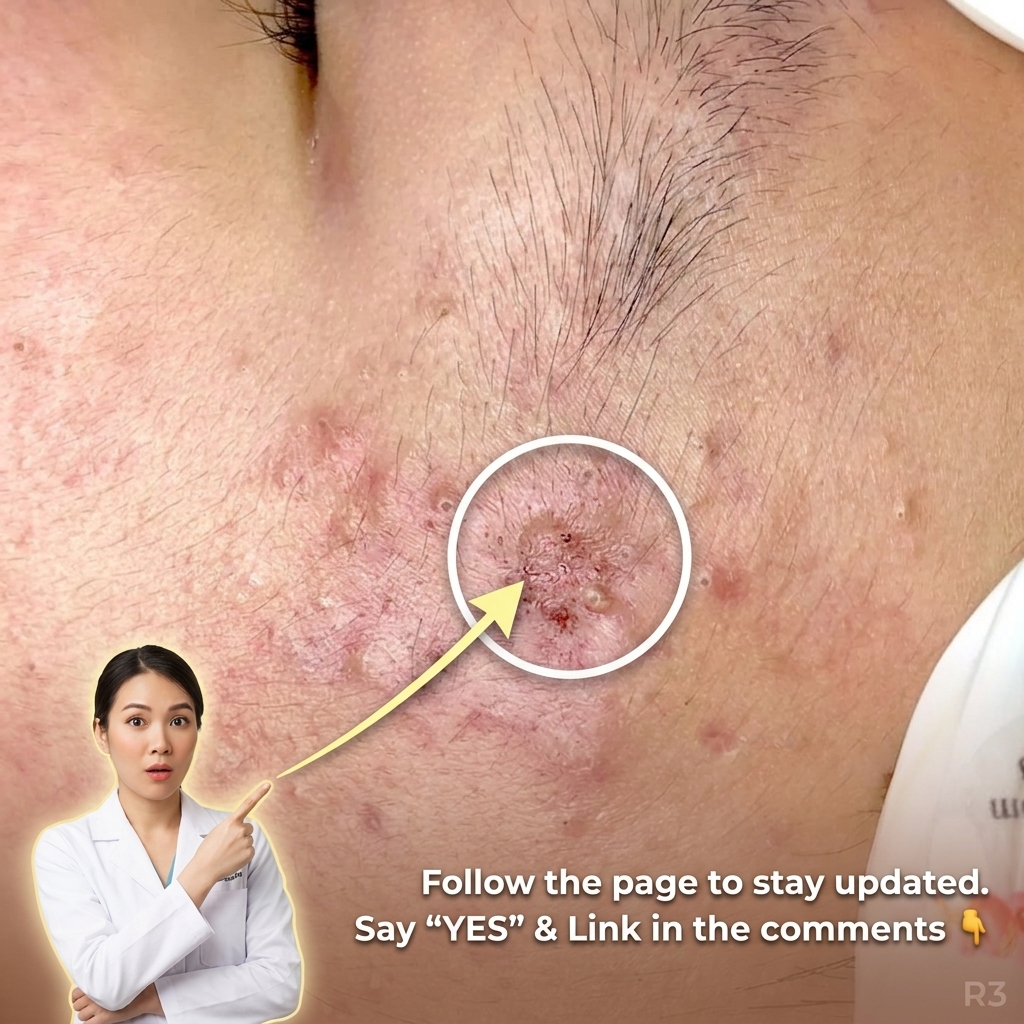
The mechanical stress induced by harsh physical exfoliants can significantly alter the cutaneous environment, leading to localized inflammation and microbiome shifts. When physical friction destabilizes the follicular structure, it often breaches the delicate wall of the pore. This breach allows internal debris, sebum, and Cutibacterium acnes bacteria to spill into the surrounding dermis. In response, the immune system launches an inflammatory cascade, recruiting white blood cells that transform minor lesions into painful papules, pustules, or deeper inflammatory nodules. Furthermore, over-scrubbing can disrupt the skin microbiome by altering the surface pH and stripping away beneficial commensal organisms that normally defend against pathogenic strain overgrowth. Consequently, what began as a routine effort to cleanse oily skin can escalate into persistent, widespread inflammatory flare-ups across affected facial zones.
A common misconception is that scrubbing helps manage oily skin by thoroughly removing excess surface lipids. In reality, aggressively stripping the surface oil triggers a compensatory physiological response often referred to as reactive seborrhea. When sensory mechanisms in the epidermis detect a sudden depletion of surface moisture and lipid protection, the sebaceous glands are stimulated to produce even more oil to restore equilibrium. This disruption in natural sebum regulation leads to an even slicker surface texture shortly after washing. Combined with the ongoing accumulation of shed cellular material, excess sebum provides an abundant energy source for acne-causing bacteria. Over time, continuous physical trauma can also lead to post-inflammatory hyperpigmentation or compromised repair mechanisms, making active acne lesions take significantly longer to resolve and leaving persistent discoloration behind.
Managing acne-prone skin effectively requires shifting away from physical abrasion toward gentler strategies focused on barrier repair and controlled cellular turnover. Dermatological management frequently emphasizes chemical exfoliants, such as beta-hydroxy acids like salicylic acid, which are lipophilic and can penetrate deeply into pores to dissolve lipid debris without mechanical friction. Similarly, topical retinoids are often discussed in the context of long-term acne management because they regulate keratinization and promote healthy cell turnover at the cellular level. Supporting the skin barrier with mild, non-comedogenic cleansers and hydrating formulations allows the tissue to heal from previous mechanical stress while preventing future clogged pores. Embracing a balanced, non-abrasive approach helps maintain the integrity of the stratum corneum, supporting clearer, healthier skin without triggering unnecessary inflammation.
Related acne topics
- Understanding the Biological Mechanisms Linking Excess Sebum Production to Acne Breakouts
- Understanding Follicular Keratinization and Its Clinical Management in Acne-Prone Skin
Health information notice: This article is for general informational and educational purposes only. It is not medical advice and does not replace consultation with a licensed dermatologist or healthcare provider.
This article was generated with AI assistance and has not been individually reviewed by a medical professional. View the accompanying YouTube video.