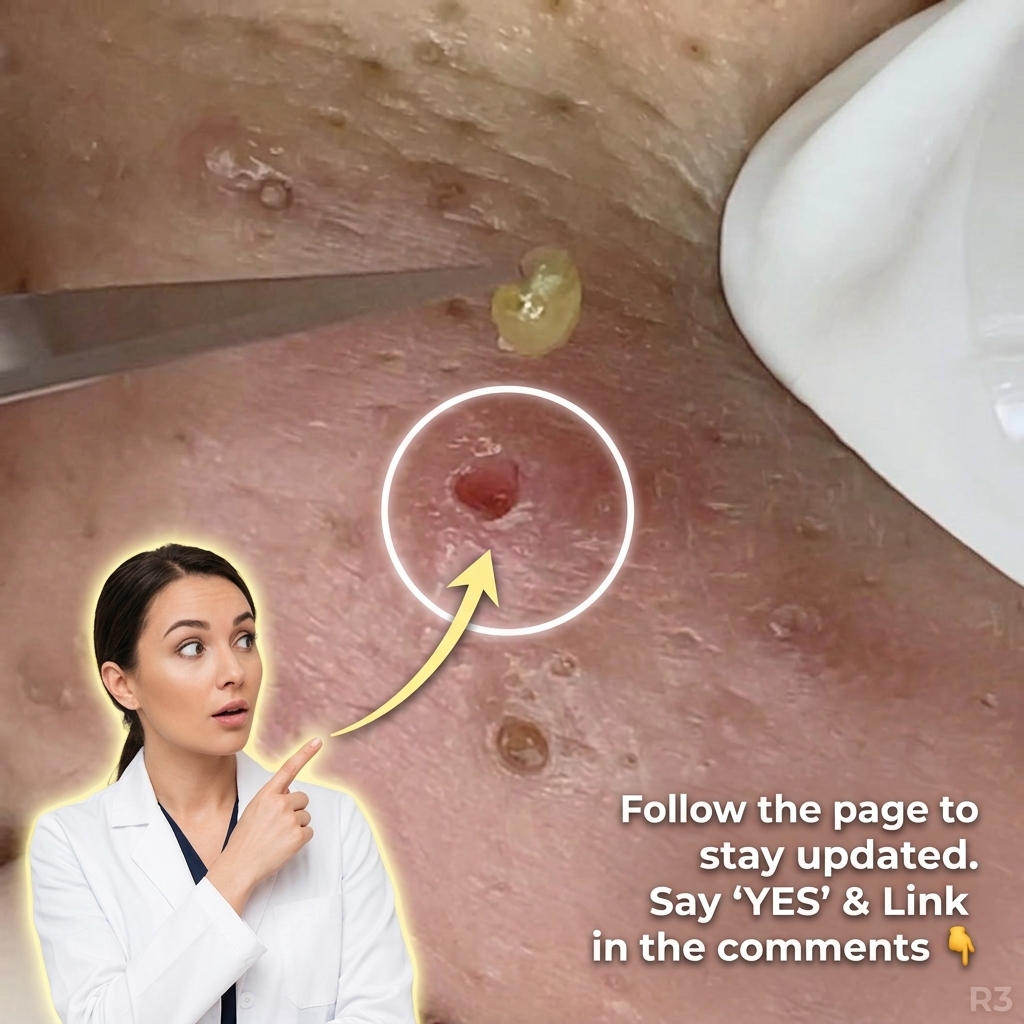
The architecture of human pores, clinically known as pilosebaceous units, plays a foundational role in the development of various inflammatory and non-inflammatory skin lesions. Each pore houses a hair follicle and an attached sebaceous gland responsible for producing sebum, a lipid-rich substance that hydrates and protects the skin barrier. In individuals with acne-prone skin, the structural physical characteristics of these follicular ducts, including their depth, diameter, and tortuosity, significantly alter how sebum and desquamated epithelial cells travel to the surface. When the lining of the pore sheds skin cells at an accelerated rate—a process known as follicular hyperkeratinization—these dead cells stick together rather than sloughing off smoothly. Combined with elevated sebum production, this altered internal environment forms a microscopic plug called a microcomedo, establishing the initial prerequisite for persistent clogged pores and subsequent acne breakouts.
Beyond the innate physical shape of the follicle, biological variables such as hormonal fluctuations and sebum regulation directly impact pore function and structural stability. Androgen hormones can signal sebaceous glands to enlarge and synthesize an overabundance of sebum, which alters the viscosity of the lipid mixture within the pore channel. When heavy, dense sebum mixes with compacted keratin fragments, the mixture struggles to flow freely outward, creating internal pressure against the follicular wall. Over time, this pressure can distend the pore structure, making pores appear physically larger and more susceptible to recurrent impaction. Additionally, variations in the skin microbiome, specifically the proliferation of Cutibacterium acnes within these oxygen-deprived follicular environments, trigger an enzymatic response that further degrades sebum lipids into irritants, setting off localized inflammation before any lesion becomes visible on the surface.
The specific physiological manifestation of a clogged pore depends heavily on whether the pore opening remains closed or stays exposed to the external atmospheric environment. When a microcomedo remains trapped beneath a continuous layer of epidermal cells, it forms a closed comedo, commonly recognized as a whitehead. Conversely, if the pore orifice dilates and exposes the accumulated keratinized debris and lipid matrix to oxygen, oxidation occurs, turning the visible top of the plug dark brown or black, resulting in a blackhead. In individuals with naturally oily skin, excessive lipid secretion continuously stretches the follicular opening, compounding the tendency for open comedones to accumulate in areas with dense sebaceous distribution, such as the central T-zone. If the follicular wall ruptures under excessive internal pressure, inflammatory cascades initiate, transforming mild non-inflammatory comedones into papules, pustules, or deeper nodular lesions.
Addressing structural pore blockage and managing acne-prone conditions generally requires topical interventions that target both keratin accumulation and excess sebum production. Beta-hydroxy acids, such as salicylic acid, are lipid-soluble compounds capable of penetrating deep into the oil-rich environment of the pore to dissolve cellular debris and loosen comedonal plugs. Topical retinoids are another widely recognized class of active ingredients frequently discussed in the context of long-term acne management, as they help normalize the abnormal desquamation process within the follicular epithelium and prevent new microcomedones from forming. Furthermore, ingredients such as niacinamide can assist with sebum regulation and support skin barrier function, reducing the potential for secondary irritation. Consistent use of these tailored topical agents can gradually improve pore clarity and smooth the overall texture of the skin over time.
Maintaining optimal pore function over the long term involves balancing active exfoliation with gentle skin barrier preservation to prevent compensatory oil production and cutaneous irritation. Over-cleansing or utilizing overly aggressive physical scrubs can compromise the protective acid mantle, triggering a reactive spike in sebum production that paradoxically exacerbates clogged pores and inflammation. Professional dermatological evaluations often emphasize a sustained, preventive regimen tailored to individual skin biology rather than relying on harsh short-term spot treatments. Incorporating non-comedogenic sunscreens, mild surfactant cleansers, and supportive humectants helps stabilize the local skin microbiome while maintaining the structural integrity of the follicular wall. Understanding the biological mechanisms behind pore dynamics allows for a more targeted, evidence-based approach to managing persistent acne and achieving long-term physiological balance in oily skin types.
Related acne topics
- Understanding How Sunscreen Formulations and Ingredient Interactions Affect Acne-Prone Skin
- How Harsh Physical Scrubs Aggravate Acne-Prone Skin at the Cellular Level
Health information notice: This article is for general informational and educational purposes only. It is not medical advice and does not replace consultation with a licensed dermatologist or healthcare provider.
This article was generated with AI assistance and has not been individually reviewed by a medical professional. View the accompanying YouTube video.
