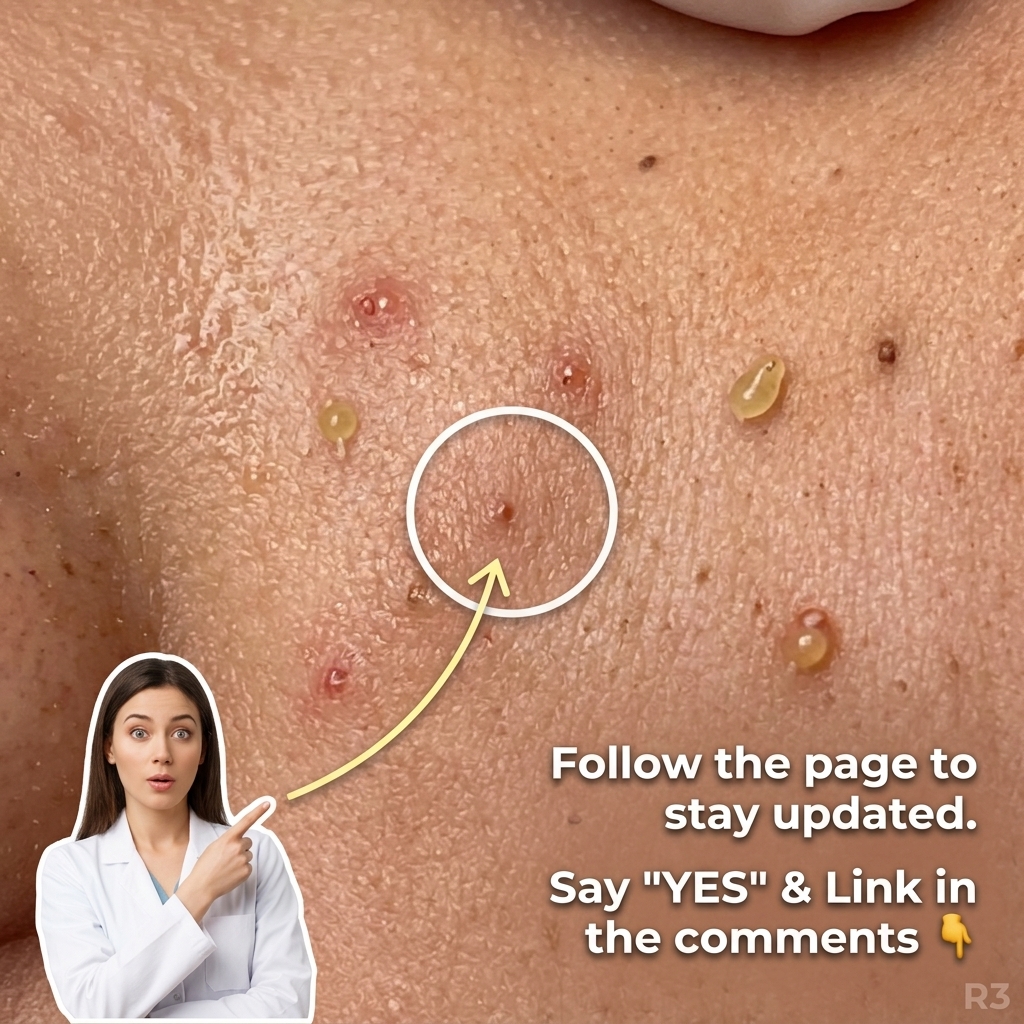
Many individuals notice that acne breakouts frequently reoccur in the exact same spots on the face or body, a phenomenon rooted deep within the anatomy of the pilosebaceous unit. Each hair follicle and associated sebaceous gland forms a complex microscopic ecosystem influenced by local physiological conditions. When an initial lesion forms, abnormal cellular shedding, known as abnormal keratinization, mixes with excessive oily skin secretions within the pore channel. Dermatological research suggests that certain follicular structures possess unique pore geometries or larger gland sizes, making specific regions particularly susceptible to repeating blockages. Over time, these localized structural attributes create an environment where debris naturally accumulates more readily, transforming specific pores into chronic sites for recurrent inflammatory events rather than isolated incidents.
The physiological process underlying these recurring blemishes often begins with the formation of a microcomedone, an invisible precursor to active acne. In areas prone to persistent breakouts, local sebum regulation may be disproportionately impaired compared to surrounding tissue. When excess sebum combines with trapped dead skin cells, the resulting plug creates an anaerobic environment that favors the proliferation of Cutibacterium acnes, a key bacterial species within the cutaneous microbiome. Furthermore, repeated swelling from prior breakouts can weaken or permanently stretch the follicular walls. This structural micro-damage renders the pore wall prone to tearing under internal pressure, allowing inflammatory lipids and bacteria to breach the surrounding dermal layer, which frequently triggers fresh inflammation in that exact coordinate.
The visible manifestations of this localized cycle range from non-inflammatory lesions like blackheads and whiteheads to deeper, painful inflammatory papules and nodules. Open comedones, commonly called blackheads, occur when clogged pores remain open at the surface, exposing the trapped oxidized lipids to air. Conversely, closed comedones or whiteheads remain covered by a thin layer of epidermis, trapping cellular debris beneath the skin surface. When recurring acne localized to a single zone undergoes intense inflammation, the local skin barrier is repeatedly disrupted. This ongoing barrier compromise often leads to localized post-inflammatory hyperpigmentation or subtle textural changes, giving the appearance that a single lesion never fully heals, but rather oscillates between subclinical congestion and active, visible inflammation.
Beyond internal structural predispositions, external friction and tactile habits can reinforce the recurrence of acne in specific regions. Frequent touching, resting a phone against the cheek, or localized pressure from headwear can introduce external bacteria while physically compromising the fragile outer layers of the epidermis. Additionally, improper physical extraction of clogged pores can rupture the follicle internally, pushing keratinaceous material deeper into the dermis rather than releasing it safely outward. This traumatic disruption often leaves a residual reservoir of debris and inflammatory signaling molecules within the immediate tissue. Consequently, the surrounding microenvironment remains in a heightened state of sensitivity, making that precise region significantly more vulnerable to rapid re-clogging and recurrent inflammatory breakouts.
Addressing recurrent localized breakouts requires a consistent strategy focused on cellular turnover and barrier restoration rather than aggressive spot treatments. Evidence-based skincare approaches often emphasize ingredients such as topical retinoids, which help normalize follicular keratinization and prevent the initial accumulation of dead cells inside the pore channel. Chemical exfoliants like salicylic acid can penetrate lipid-rich environments to dissolve accumulated debris within clogged pores, aiding in long-term clear pore maintenance. Maintaining a balanced microbiome and supporting skin barrier integrity through gentle cleansing and non-comedogenic hydration are equally vital. By addressing the root biological factors rather than merely attempting to dry out visible surface lesions, individuals can gradually decrease the frequency and intensity of localized acne recurrences over time.
Related acne topics
- Understanding the Subterranean Dynamics of Cystic Acne Development
- Understanding How Sunscreen Formulations and Ingredient Interactions Affect Acne-Prone Skin
Health information notice: This article is for general informational and educational purposes only. It is not medical advice and does not replace consultation with a licensed dermatologist or healthcare provider.
This article was generated with AI assistance and has not been individually reviewed by a medical professional. View the accompanying YouTube video.