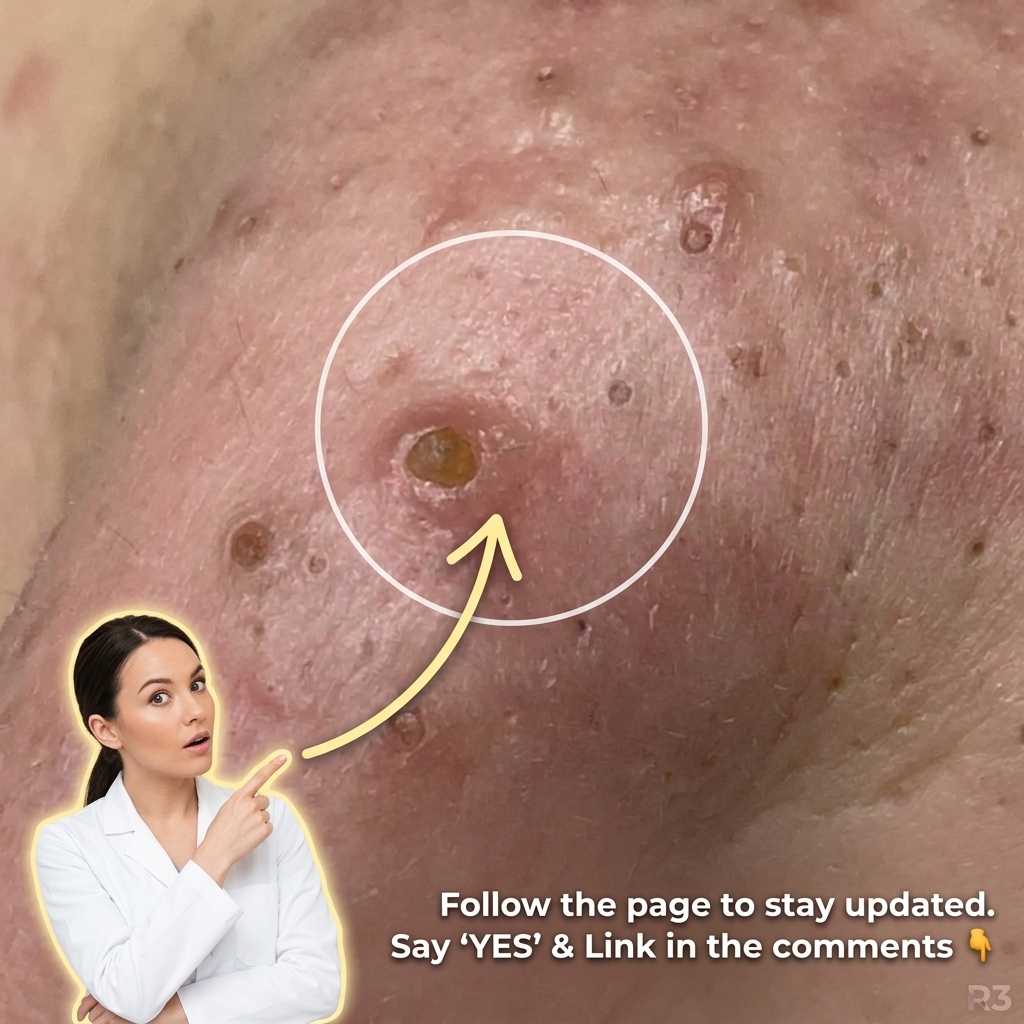
Many individuals notice that acne repeatedly emerges in the exact same spots on their face or body, leading to persistent frustration. From a dermatological perspective, this phenomenon is often rooted in localized micro-anatomy within specific pilosebaceous units. When a pore experiences a significant inflammatory lesion, the underlying wall of the hair follicle can become damaged or permanently widened. This structural alteration makes the affected pore far more susceptible to future blockages compared to adjacent, healthy pores. Additionally, individual sebaceous glands vary in size and activity, with certain localized glands naturally producing higher volumes of sebum. When an enlarged gland is paired with an altered follicular channel, the surrounding skin creates a persistent hot spot for recurrent lesions. Understanding that repeated breakouts are often tied to structural changes within specific pores helps clarify why localized topical care is often required for effective long-term management.
The development of recurrent lesions in fixed locations is heavily driven by localized disruptions in keratinization and lipid production. Under normal circumstances, dead skin cells shed smoothly from the lining of the hair follicle, allowing natural oils to flow freely onto the skin surface. However, in areas prone to repeated acne, an abnormal accumulation of keratin protein causes dead cells to stick together, forming microscopic plugs. When this altered cellular shedding coincides with elevated sebum production—commonly associated with localized hormonal sensitivity or oily skin—the pore becomes completely obstructed. This process leads to the formation of early non-inflammatory lesions, such as open comedones, known as blackheads, or closed comedones, known as whiteheads. Because certain facial zones maintain higher density and activity of oil glands, these specific areas consistently trigger the cascade that turns clogged pores into recurring blemishes.
Beyond structural alterations and excess oil, the local microbial environment and inflammatory response play critical roles in focal breakouts. Deep within obstructed pores, anaerobic bacteria such as Cutibacterium acnes thrive on stagnant sebum, producing metabolites that trigger localized immune reactions. In regions where breakouts occur repeatedly, the surrounding skin barrier may remain chronically compromised, allowing low-grade, persistent inflammation to linger even after a blemish appears to have healed on the surface. Research suggests that this subclinical inflammation alters the cutaneous microbiome in that specific micro-environment, creating ideal conditions for bacteria to re-colonize rapidly. Consequently, even a minor increase in oil production or cellular debris can re-ignite the inflammatory cycle in the exact same location, transforming a seemingly resolved spot back into an active blemish.
Addressing localized, recurring blemishes effectively requires targeting the underlying biological mechanisms rather than relying solely on spot-treating visible bumps after they appear. Dermatological literature frequently emphasizes the role of topical active ingredients that promote cellular turnover and regulate oil accumulation within the follicle. For instance, beta-hydroxy acids like salicylic acid are lipid-soluble, allowing them to penetrate deep into oily skin to dissolve trapped debris and clear stubborn clogged pores. Similarly, topical retinoids are widely discussed in the context of long-term acne management because they normalize the process of keratinization, preventing dead cells from adhering to the follicular walls. Integrating these ingredients consistently across entire problem zones, rather than isolating application strictly to active lesions, helps interrupt the cycle of recurrent blackheads and whiteheads before visible swelling occurs.
Long-term management of fixed acne spots involves balancing active interventions with comprehensive support for the skin barrier. Over-treating persistent areas with harsh physical scrubs or excessive concentrations of drying agents can exacerbate inflammation, weaken the outer stratum corneum, and paradoxically increase oil production as the skin attempts to compensate. Sustained improvement relies on gentle, consistent skincare routines that incorporate non-comedogenic moisturizers to maintain hydration without clogging pores. Maintaining effective sebum regulation while protecting barrier function creates a healthier physiological environment that is far less accommodating to bacterial overgrowth and chronic pore congestion. For persistent, deep-seated lesions that fail to respond to standard skincare routines, consulting a board-certified dermatologist provides personalized evaluation to address underlying structural damage or localized hormonal triggers safely and effectively.
Related acne topics
- Understanding the Subterranean Dynamics of Cystic Acne Development
- Understanding How Sunscreen Formulations and Ingredient Interactions Affect Acne-Prone Skin
Health information notice: This article is for general informational and educational purposes only. It is not medical advice and does not replace consultation with a licensed dermatologist or healthcare provider.
This article was generated with AI assistance and has not been individually reviewed by a medical professional. View the accompanying YouTube video.
