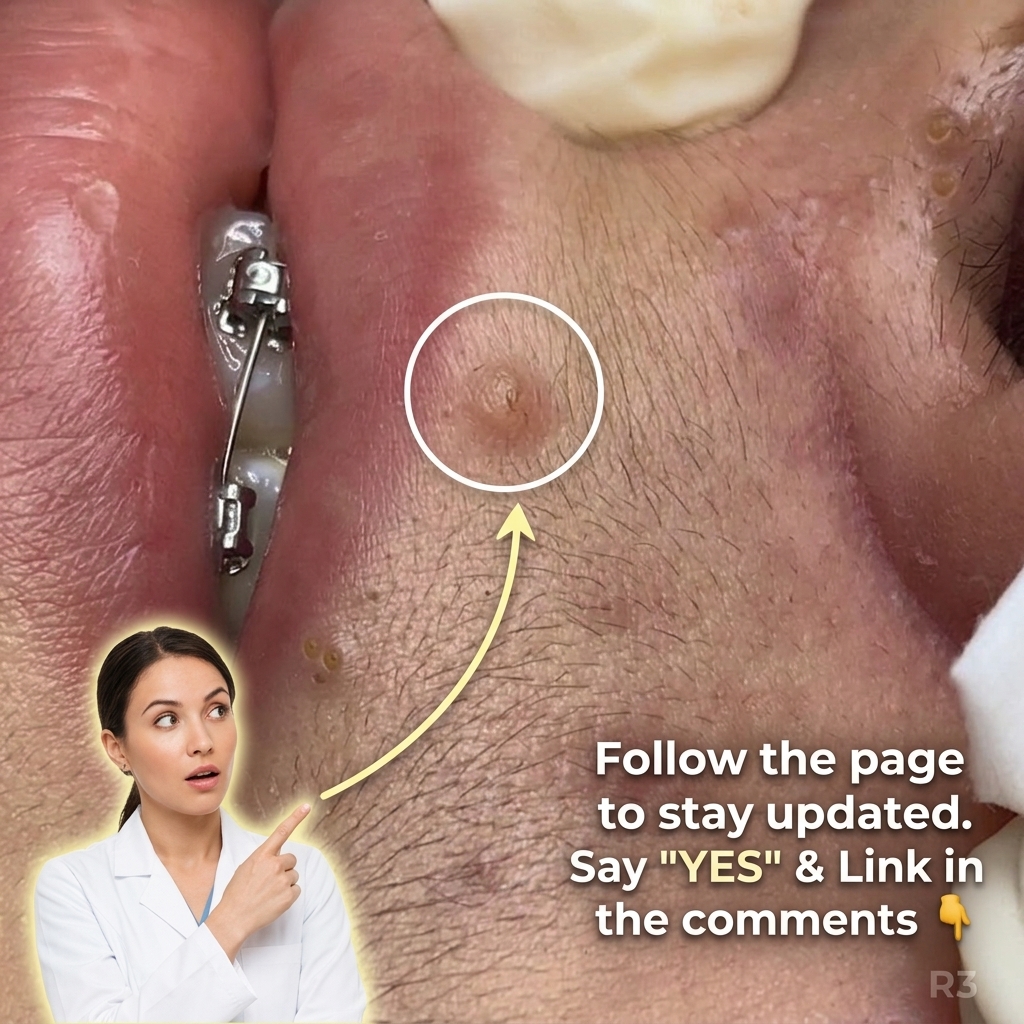
Sweat is primarily composed of water, sodium, and trace minerals secreted by eccrine and apocrine glands to assist in thermoregulation. On its own, sweat lacks the lipid-dense properties necessary to directly cause comedogenesis or form blockages within hair follicles. The actual development of acne is rooted in a multifactorial biological process involving excess sebum production, abnormal keratinization, and bacterial proliferation. When hair follicles become congested due to an overproduction of lipids paired with dead skin cell accumulation, non-inflammatory lesions such as blackheads and whiteheads begin to form. While perspiration creates a warm and moist environment on the cutaneous surface, it does not possess the sticky, adhesive characteristics required to plug pores independently. Understanding this biological distinction helps clarify why sweating from exercise or warm weather is not an inherent driver of acne vulgaris without other contributing surface factors.
The path toward localized breakouts typically begins when sweat interacts with pre-existing elements on the skin surface, including natural sebum, residual cosmetic formulas, and topical skincare formulations. When sweat mixes with heavy emollient ingredients, occlusive sunscreen filters, or synthetic film-formers, it can create a heavy film across the skin. This surface combination can exacerbate follicular occlusion by trapping sloughed keratinocytes directly within the pores. Furthermore, altered cutaneous hydration levels can impact the balance of the skin microbiome, occasionally allowing organisms like Cutibacterium acnes to thrive alongside inflammatory responses. When these surface mixtures remain trapped under friction or tight synthetic clothing, physical blockage known as acne mechanica may develop. Thus, the primary risk lies not in pure perspiration itself, but in how liquid sweat interacts with topical product residue, unmanaged oily skin, and unevacuated dead surface cells.
As these compound surface mixtures sit on the epidermis, the physiological dynamics of the pore shift significantly. When underlying sebum regulation is compromised, lipid oxidation occurs, turning clogged pores into open comedones, commonly recognized as blackheads, or closed comedones, known as whiteheads. If sweat remains trapped beneath heavy or pore-clogging cosmetic ingredients for extended periods, it can cause transient swelling of the stratum corneum, which temporarily narrows the follicular opening. This temporary micro-swelling makes it even easier for trapped debris and excess sebum to solidify. Over time, persistent micro-occlusion can trigger localized inflammation, converting mild comedonal acne into erythematous papules or pustules. Additionally, excessive moisture accumulation paired with frequent wiping or harsh physical rubbing can destabilize the delicate skin barrier, leaving the cutaneous surface more vulnerable to external irritants.
Managing breakouts exacerbated by perspiration and product residue relies on gentle, science-backed topical care strategies rather than aggressive scrubbing. Incorporating mild surface cleansers helps wash away sweat and soluble cosmetic residue without stripping essential lipids from the skin barrier. Beta-hydroxy acids, such as salicylic acid, are lipid-soluble ingredients frequently recommended for targeting clogged pores, as they penetrate deep into the follicle to dissolve accumulated sebum and trapped cellular material. Furthermore, adjusting a routine to avoid heavy, pore-clogging occlusives prior to high-perspiration activities can prevent unwanted ingredient interactions on the skin surface. This balance is precisely why ingredients like retinoids are often discussed in the context of long-term acne management, as they promote steady cellular turnover and reduce abnormal keratinization. Utilizing non-comedogenic, lightweight hydrating gels following activity ensures the skin stays balanced.
Sustaining long-term skin clarity requires a thoughtful approach focused on maintaining epidermal equilibrium, sebum balance, and proper skin hygiene post-perspiration. Promptly rinsing the face with lukewarm water after sweating eliminates the lingering surface film where topical ingredients, ambient pollutants, and natural oils interact. Over-cleansing or relying on harsh antibacterial soaps should generally be avoided, as destabilizing the natural microbiome can lead to reactive seborrhea and heightened skin sensitivity. Consulting a board-certified dermatologist remains the most reliable path for individuals dealing with recalcitrant inflammatory acne or persistent comedones, as professional evaluations can tailor regimens to specific skin types. By recognizing that sweat serves a vital thermoregulatory purpose rather than acting as a direct acne pathogen, individuals can refine their skincare protocols to support healthy keratinization and protect overall skin health.
Related acne topics
- Why Genetics Can Influence Acne Severity and Skin Biology
- Managing Hormonal Breakouts: How Skincare Active Ingredients Interact With Cycle-Driven Skin Changes
Health information notice: This article is for general informational and educational purposes only. It is not medical advice and does not replace consultation with a licensed dermatologist or healthcare provider.
This article was generated with AI assistance and has not been individually reviewed by a medical professional. View the accompanying YouTube video.