Acne is a complex skin condition influenced heavily by genetic factors that dictate how various cutaneous systems interact. At a microscopic level, inherited traits affect the size and activity of sebaceous glands, which produce the natural oils essential for maintaining the skin barrier. In individuals with a genetic predisposition toward severe acne, these glands often respond more intensely to hormonal signals, leading to hyperseborrhea, or excessive oil production. Simultaneously, hereditary patterns can disrupt normal keratinization, the process where dead skin cells shed from the lining of the hair follicle. When excessive sebum regulation challenges combine with abnormal cell turnover, dead cells cling together rather than sloughing off smoothly. This biological cascade creates dense microscopic plugs within the pores, setting the initial physical foundation for chronic breakouts and establishing an environment where acne-causing bacteria can easily proliferate.
Genetics also plays a vital role in determining the sensitivity of the immune response to normal follicular inhabitants like Cutibacterium acnes. While this bacterium is a standard part of the natural skin microbiome, hereditary pathways govern how aggressively local immune cells react to its metabolic byproducts. In genetically susceptible skin, immune cells release higher levels of pro-inflammatory signals in response to clogged pores. This heightened reactivity transforms minor follicular blockages into painful red papules, pustules, or deeper nodular lesions. Furthermore, inherited alterations in the composition of surface lipids can compromise overall skin integrity, rendering it less capable of maintaining balance. This structural vulnerability amplifies localized inflammation, causing persistent skin irritation and making the overall system more prone to developing severe, deep-seated acne lesions that take significantly longer to resolve naturally.
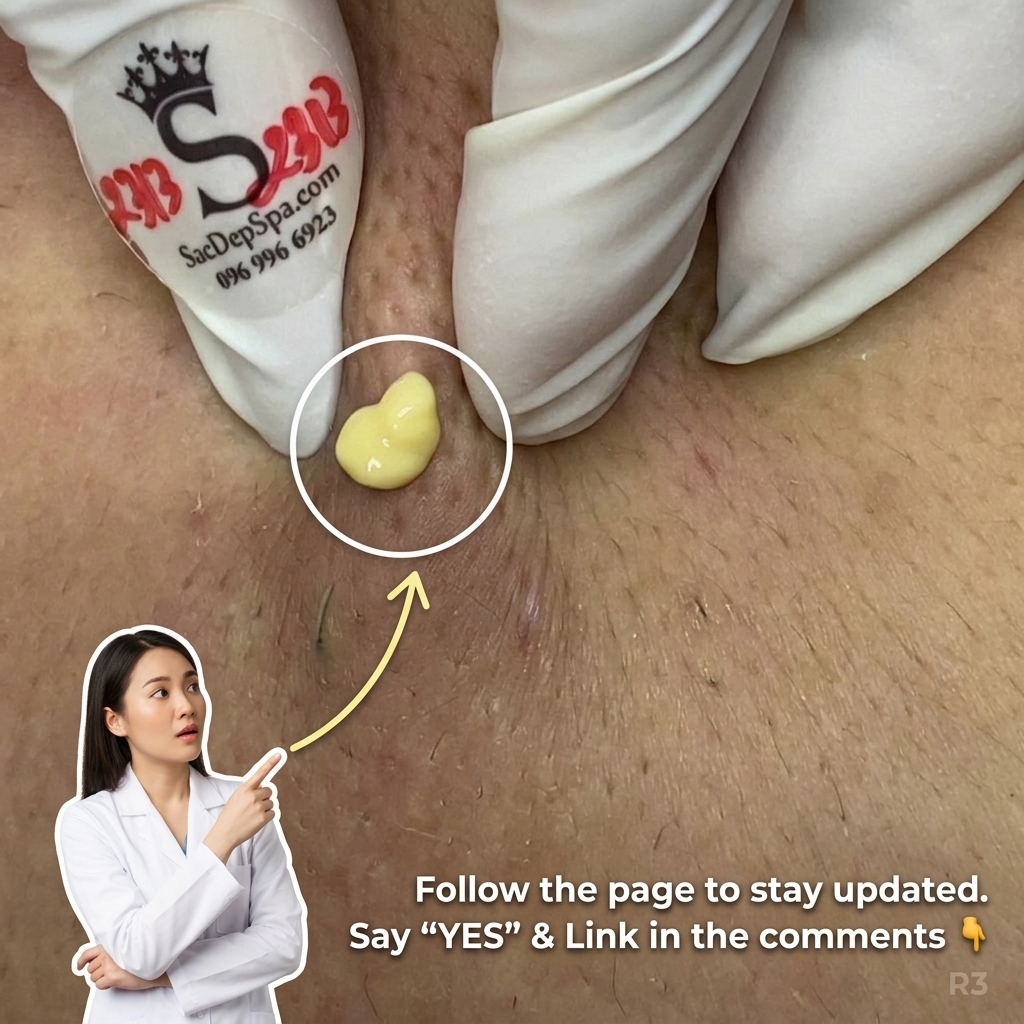
The physical manifestation of these interconnected genetic pathways becomes visible on the surface through various types of acne lesions. When excessive oil mixes with retained keratinized cells near the pore opening, it forms a cohesive plug. If the pore remains open to the air, oxidation of the sebum causes dark discoloration, resulting in blackheads. Conversely, if the pore opening remains covered by a thin layer of skin cells, a closed comedone, commonly known as a whitehead, develops. Individuals with inherited tendencies toward higher oil production frequently experience persistently oily skin, which provides an ongoing substrate for continuous pore congestion. As these microscopic blockages multiply across areas rich in oil glands, such as the face, back, and chest, the structural burden on the follicle increases, transforming isolated blemishes into extensive outbreaks.
Addressing genetically driven acne requires therapeutic approaches that target multiple biological interactions simultaneously. Topical ingredients like retinoids are frequently discussed in dermatological literature because they help normalize cellular turnover, directly counteracting abnormal keratinization and keeping pores clear. Additionally, beta-hydroxy acids, such as salicylic acid, are oil-soluble compounds capable of penetrating into pores to dissolve accumulated debris and excess oil. By clearing these structural blockages, active ingredients assist in reducing the microbial load and subsequent inflammatory triggers. Supporting the skin barrier with non-comedogenic moisturizers and gentle cleansers is equally critical, as an intact barrier mitigates external irritation and prevents secondary sensitivity. Combining cellular-regulating ingredients with protective care helps offset inherited biological tendencies toward follicular congestion.
Because genetic predisposition influences the fundamental physiology of the skin, long-term management often focuses on consistency rather than immediate fixes. Understanding that hereditary factors regulate oil composition, follicular shedding, and inflammatory cascades allows for a more comprehensive approach to skincare routines. While topical interventions can moderate these biological processes, severe or persistent genetic acne may require evaluation by a qualified healthcare professional or dermatologist. Professional guidance ensures that management strategies are tailored to modulate specific systemic pathways without causing excessive dryness or compromising the skin barrier. Through a combination of evidence-based skincare formulations, thoughtful daily care, and targeted professional strategies, individuals can effectively manage genetically influenced acne, minimize long-term scarring, and support healthy skin function over time.
Related acne topics
- Understanding Hormonal Sebum Production and Synergistic Skincare Ingredient Interactions
- Managing Hormonal Breakouts: How Skincare Active Ingredients Interact With Cycle-Driven Skin Changes
Health information notice: This article is for general informational and educational purposes only. It is not medical advice and does not replace consultation with a licensed dermatologist or healthcare provider.
This article was generated with AI assistance and has not been individually reviewed by a medical professional. View the accompanying YouTube video.
