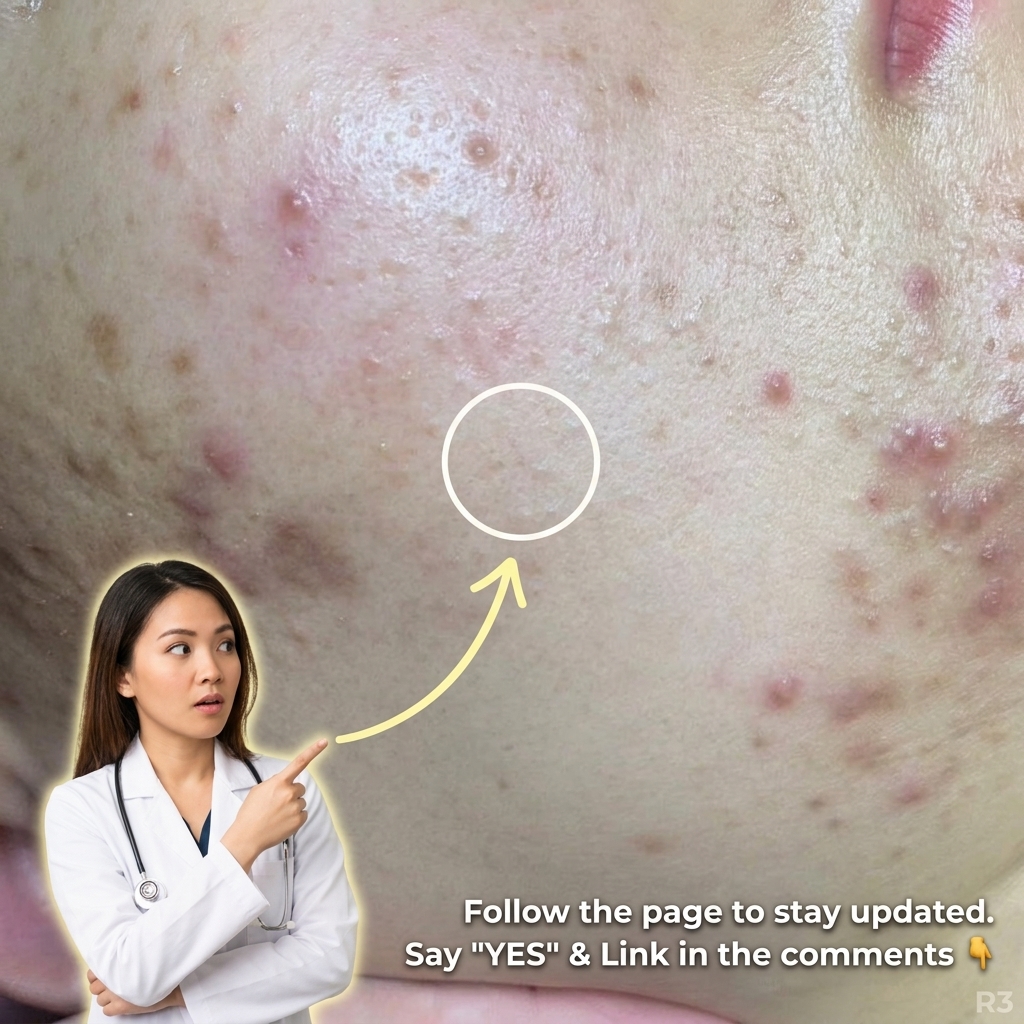
Hormonal fluctuations throughout the menstrual cycle directly influence skin physiology, particularly during the luteal phase when progesterone levels rise. Elevated progesterone and relative increases in androgen activity can stimulate the sebaceous glands, leading to an overproduction of oily skin. This surplus sebum mixes with sloughed-off skin cells inside the follicle, accelerating a process known as follicular keratinization. When dead skin cells fail to shed properly, they accumulate and plug the hair follicle openings, creating clogged pores. This environment creates ideal conditions for the development of non-inflammatory lesions such as open comedones, commonly recognized as blackheads, and closed comedones, known as whiteheads. Understanding these cyclical shifts helps explain why skincare products that worked well during the drier follicular phase might suddenly feel insufficient or overly aggressive as the skin's lipid profile changes leading up to menstruation.
Beyond increased oiliness, fluctuating estrogen and progesterone levels can alter the structural integrity of the skin barrier and shift the cutaneous microbiome. Lower estrogen levels right before menstruation can reduce skin hydration and impair barrier function, leaving the epidermis more prone to transepidermal water loss and heightened sensitivity. Concurrently, excess sebum provides a nutrient-rich substrate for bacteria like Cutibacterium acnes, which triggers localized inflammation within the congested pores. When immune responses are activated around these blocked follicles, mild blackheads and whiteheads can escalate into tender, red papules or pustules. Because the skin barrier may be unusually fragile during this window, applying harsh physical scrubs or inappropriately combining potent exfoliating agents can exacerbate redness and compromise the surface lipid film. Recognizing how internal hormonal shifts intersect with external skin health allows for a more nuanced approach to daily topical routines.
To address cycle-related congestion effectively, understanding how different active ingredients interact with high-sebum environments is essential. For example, lipophilic beta-hydroxy acids, such as salicylic acid, possess the unique ability to penetrate deep into lipid-rich clogged pores, dissolving the mixture of excess sebum and keratinized debris. When used alongside gentle hydrating agents like hyaluronic acid or glycerin, these targeted exfoliants help clear persistent blackheads without depleting essential skin surface moisture. However, layering multiple strong actives—such as combining high concentrations of salicylic acid with benzoyl peroxide or retinoids during peak oiliness—can overload the skin. Instead of accelerating clarity, uncontrolled ingredient stacking can strip the skin barrier, triggering rebound oil production and heightened inflammation. Balancing pore-clearing actives with calming barrier-supportive lipids ensures that sebum regulation occurs without compromising overall cutaneous resilience.
During the premenstrual phase, when skin sensitivity and inflammatory responses tend to peak, adjusting how ingredients interact becomes crucial for preventing inflammatory acne flare-ups. Formulations containing soothing anti-inflammatory agents, such as niacinamide or azelaic acid, can complement pore-clearing treatments by dampening redness and normalizing follicular keratinization. Niacinamide plays a valuable role in supporting sebum regulation and strengthening the skin barrier, making it an excellent pairing with stronger topical treatments that might otherwise cause irritation. Conversely, combining potent active ingredients with heavy occlusive moisturizers during high-progesterone phases can inadvertently trap dead skin cells and oily skin residues inside the follicle, creating dense plugs that turn into stubborn whiteheads. Choosing lightweight, non-comedogenic emulsions allows beneficial actives to perform efficiently while minimizing the risk of accidental pore blockages.
Long-term management of cyclic breakouts relies on a consistent, adaptable strategy rather than aggressive, reactive treatments when pimples appear. Integrating gentle retinoids into a nighttime routine helps regulate cell turnover over time, preventing dead keratinocytes from clumping within the pores in the first place. This is why ingredients like retinoids are often discussed in the context of long-term acne management, as they address the root mechanics of pore blockages before hormonal shifts induce heavy sebum surges. When using retinoids, layering them over a well-formulated, non-comedogenic moisturizer can buffer potential dryness while maintaining therapeutic benefits. By carefully monitoring how active topicals interact with the skin throughout each phase of the menstrual cycle, individuals can maintain a stable skin microbiome, reduce the frequency of painful breakouts, and support lasting barrier health.
Related acne topics
- Understanding the Biological Mechanisms Linking Excess Sebum Production to Acne Breakouts
- The Sub-Surface Origin of Acne: How Microcomedones Form Over Time
Health information notice: This article is for general informational and educational purposes only. It is not medical advice and does not replace consultation with a licensed dermatologist or healthcare provider.
This article was generated with AI assistance and has not been individually reviewed by a medical professional. View the accompanying YouTube video.