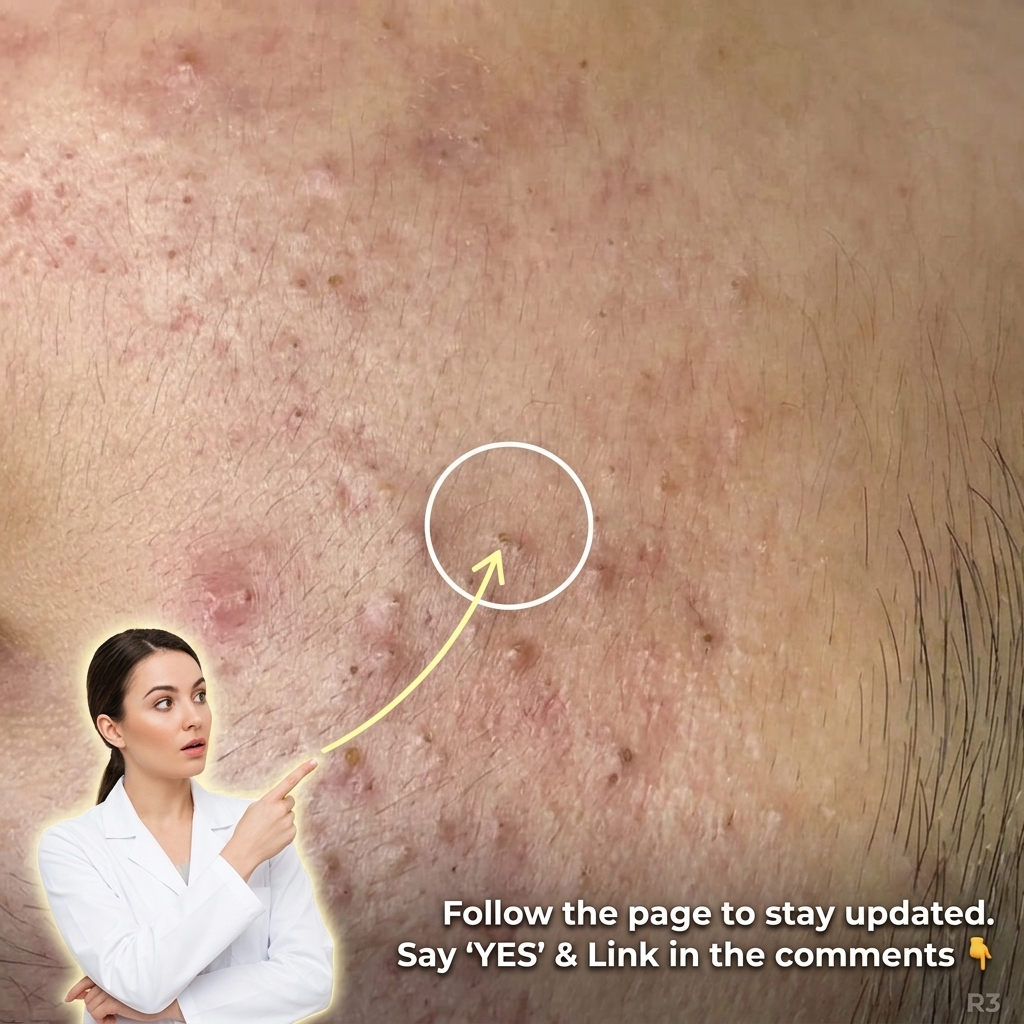
Understanding the distinct biological pathways of acne is fundamental to determining effective management strategies in clinical settings. Acne vulgaris is broadly categorized into two primary presentations: comedonal and inflammatory. Comedonal acne develops when excess sebum production combines with abnormal desquamation, a process known as hyperkeratinization. During this process, shed dead skin cells stick together within the hair follicle rather than shedding cleanly from the skin surface. This entrapment leads to clogged pores, forming microcomedones that eventually expand into visible lesions. In contrast, inflammatory acne arises when these initial follicular blockages create a microenvironment conducive to microbial activity. As excess oil builds up, cutaneous microflora such as Cutibacterium acnes proliferate within the oxygen-deprived pore, triggering a cascade of localized immune responses. Recognizing whether a condition is primarily non-inflammatory or inflammatory guides clinical decision-making, allowing clinicians to select ingredients that target specific physiological drivers rather than applying uniform topicals across all presentation types.
Comedonal acne manifests predominantly as open comedones, commonly called blackheads, and closed comedones, known as whiteheads. In open comedones, the follicular orifice remains dilated, exposing the impacted plug of keratin and lipids to atmospheric oxygen, which causes the melanin and lipids to oxidize and darken. Closed comedones occur when the follicular opening is covered by a thin layer of epidermis, trapping the cellular debris beneath the surface and forming small, flesh-colored or pale bumps. Individuals with oily skin often experience higher rates of comedonal activity because increased sebum regulation challenges can accelerate pore obstruction. Within clinical care pathways, managing comedonal lesions generally focuses on normalizing cellular turnover and clearing follicular congestion before secondary vascular responses occur. Addressing these lesions early is crucial, as unmanaged comedones serve as the physical precursor to deeper, more complex inflammatory papules and pustules.
When follicle walls become distended and rupture due to severe accumulation, inflammatory acne develops, altering the clinical treatment focus. The leakage of cellular debris, free fatty acids, and bacterial antigens into the surrounding dermis initiates an inflammatory response, characterized by erythema, swelling, and localized pain. Visually, this process shifts the presentation from mild surface bumps to erythematous papules, pus-filled pustules, or deeper, encapsulated nodules and cysts. The cutaneous microbiome plays a critical regulatory role during this transition, as specific strains of C. acnes trigger innate immune pathways by stimulating inflammatory cytokines within keratinocytes and sebocytes. Understanding this escalation helps structure step-wise clinical pathways, as inflammatory lesions require strategies aimed at controlling bacterial density and calming immune cascades alongside baseline exfoliation, rather than relying solely on comedolytic agents.
In structured treatment pathways, addressing non-inflammatory comedonal acne emphasizes topical keratolytics and agents that regulate follicular maturation. Ingredients such as topical retinoids are frequently recommended in dermatological literature as first-line options because they normalize keratinization and reduce the stickiness of corneocytes inside the pore. Salicylic acid, a lipid-soluble beta-hydroxy acid, penetrates deep into oily skin to dissolve follicular debris and clear clogged pores. When introducing these active ingredients, preserving the integrity of the skin barrier remains a central clinical priority, as over-exfoliation can induce secondary irritation and compensatory sebum hypersecretion. Systematic application of targeted comedolytics over consistent multi-week cycles allows for gradual clearance of microcomedones while reinforcing long-term skin health without overwhelming the stratum corneum.
For inflammatory acne presentations, treatment pathways expand to incorporate antimicrobials and anti-inflammatory mechanisms to alleviate tissue distress. Benzoyl peroxide is widely utilized due to its lipophilic nature and bactericidal properties, generating reactive oxygen species that reduce microbial populations without inducing bacterial resistance. In moderate to severe clinical cases, healthcare providers may integrate topical or oral antibiotics, systemic retinoids, or hormonal therapies to address widespread systemic and follicular drivers. Concurrently, supportive care emphasizing skin barrier repair through gentle cleansing and non-comedogenic moisturization helps soothe reactive tissue. By systematically distinguishing between comedonal and inflammatory mechanisms, clinical management can be tailored accurately, optimizing therapeutic outcomes, minimizing long-term scarring, and supporting consistent cutaneous homeostasis over time.
Related acne topics
- Understanding the Biological Distinctions Between Blackheads and Whiteheads
- Understanding the Impact of Occlusive Skincare Products on Pore Congestion and Long-Term Skin Dynamics
Health information notice: This article is for general informational and educational purposes only. It is not medical advice and does not replace consultation with a licensed dermatologist or healthcare provider.
This article was generated with AI assistance and has not been individually reviewed by a medical professional. View the accompanying YouTube video.
